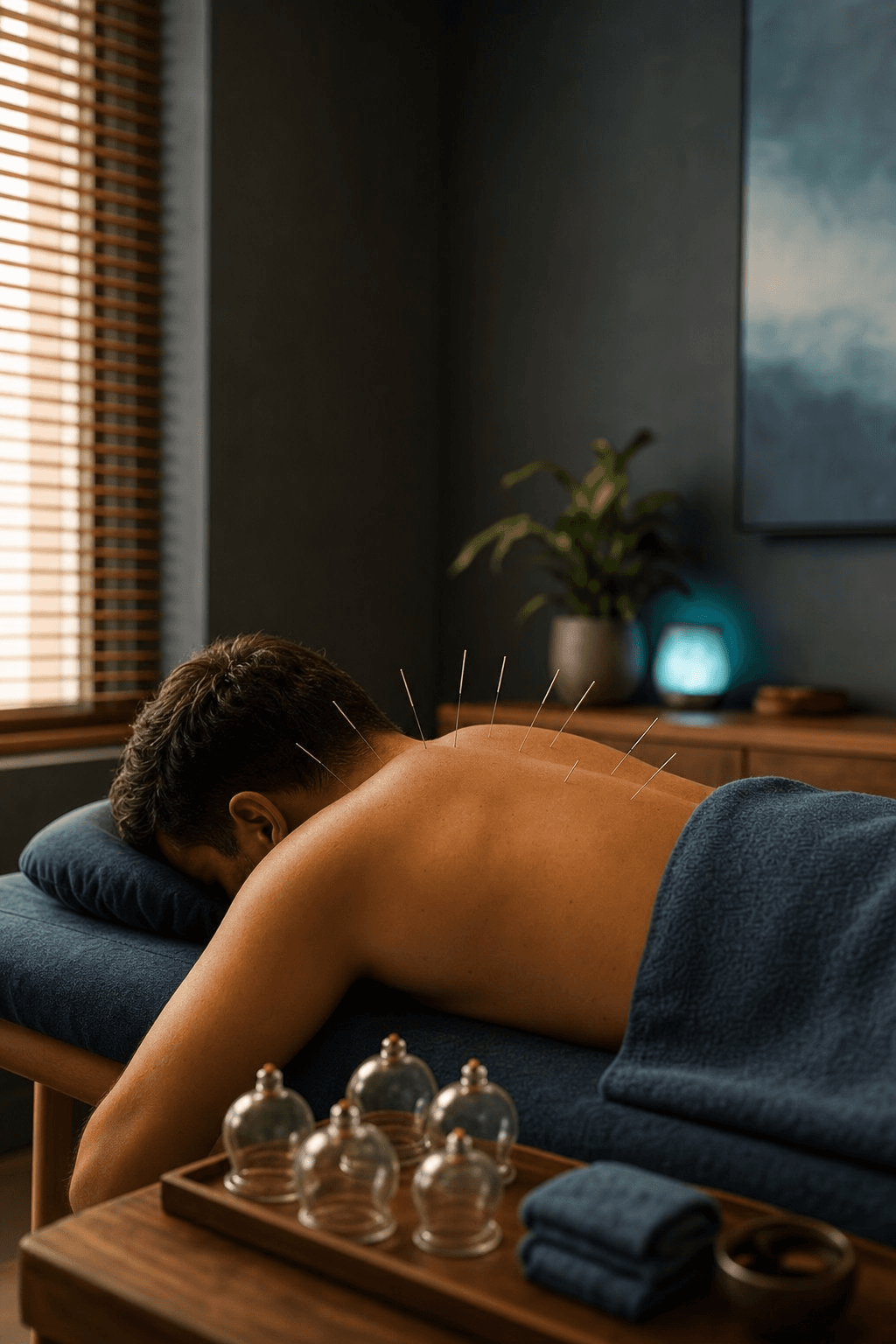
Cupping therapy fascia adhesions scar tissue management uses negative pressure to lift and separate layers of connective tissue that have become dense or stuck together. This mechanical suction increases localized blood flow and hydration; it breaks down fibrous restrictions to restore functional movement and alleviate pain.
Persistent stiffness and restricted range of motion often stem from more than just tight muscles; they are frequently rooted in the complex network of connective tissue known as fascia. When adhesions and scar tissue accumulate, your body loses its natural elasticity, which leads to chronic discomfort and compromised athletic performance. Understanding how to disrupt these patterns is essential for anyone looking to restore fluid movement and long term structural health. In this guide, we will explore the precise mechanisms of myofascial decompression, also known as cupping therapy, and how it differs from traditional compression techniques. You will learn how negative pressure effectively remodels scar tissue, releases stubborn fascial restrictions, and integrates with sports acupuncture to optimize your body’s biomechanical efficiency.
The Science of Myofascial Decompression: More Than Just Circular Marks
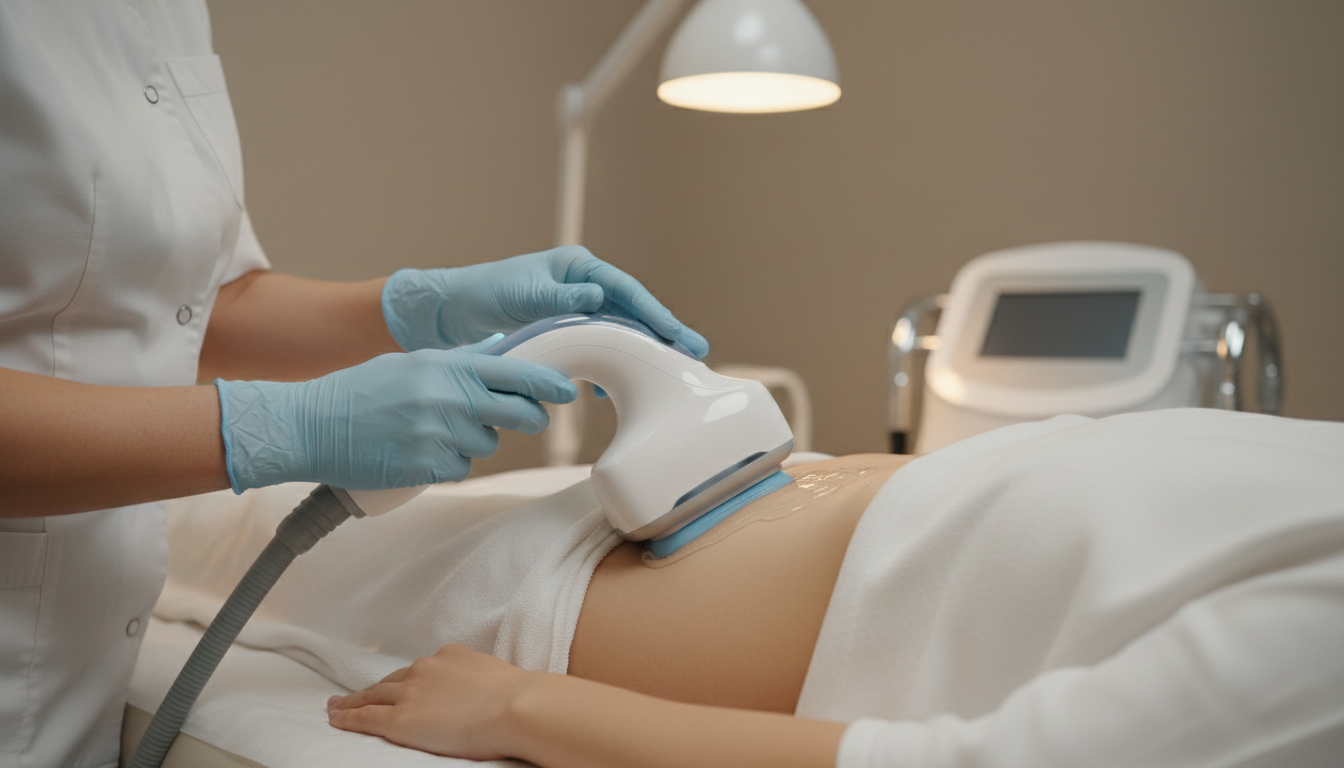
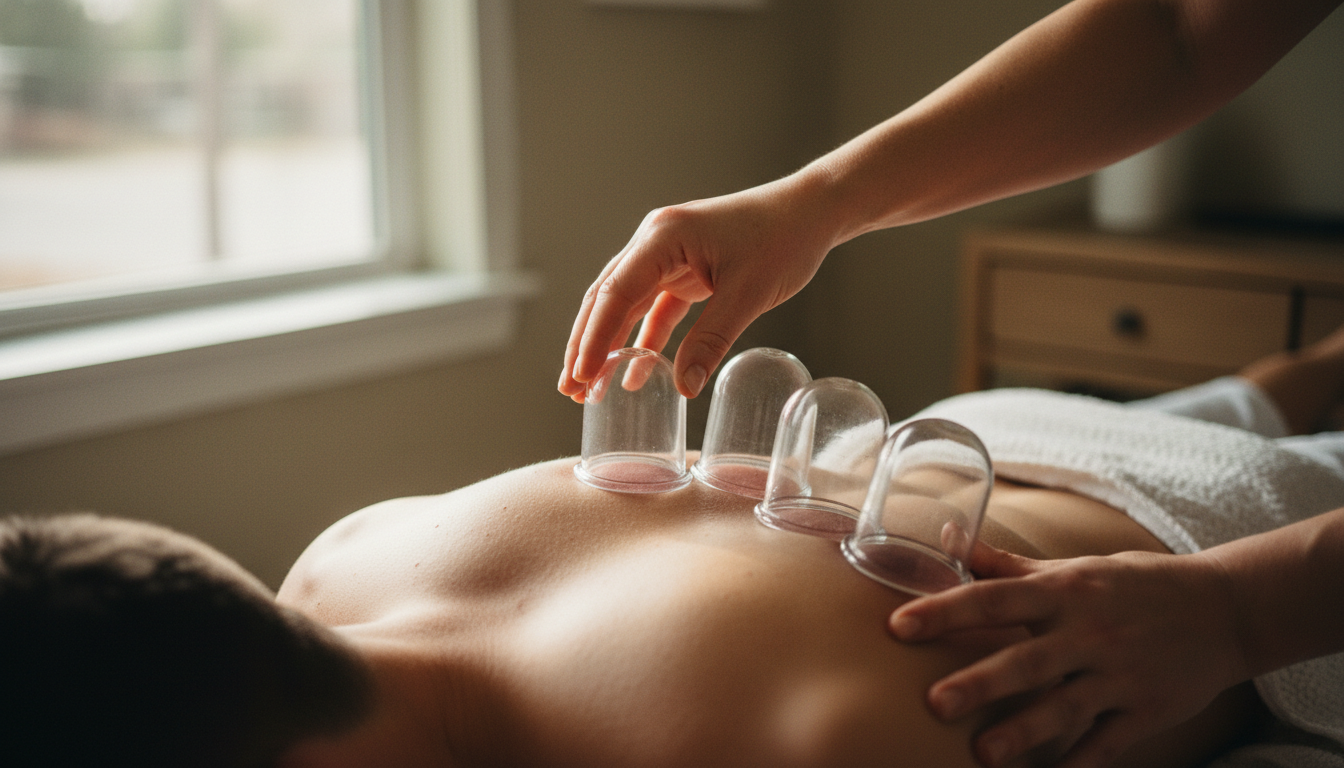
At Acumotion Sports Therapy, we utilize cupping through the clinical framework of Myofascial Decompression (MFD). While many people associate this treatment with the distinct circular marks seen on professional athletes, the physiological benefits go far beyond surface level appearances. The primary difference between MFD and traditional manual therapy lies in the direction of force. Conventional massage and foam rolling apply positive pressure, essentially pushing and compressing the tissue. In contrast, integrative cupping therapy creates negative pressure, using suction to lift the skin and superficial fascia away from the underlying muscle.
For athletes in Windsor, Timnath, Fort Collins, and Loveland, this distinction is critical for resolving deep seated restrictions. Clinical research suggests that MFD can be more effective than self-myofascial release for improving perceived flexibility, likely because this decompressive force reaches fascial layers that compression alone often misses. By changing the physical structure of these tissues, we directly influence the structure, function relationship. When the structural tension of the fascia is reduced, the muscle can function with greater efficiency and less resistance. This mechanical lift is a primary tool for addressing how cupping therapy, fascia, adhesions, and scar tissue interact to limit range of motion. By creating space between these layers, we initiate the structural changes necessary for sports acupuncture in Northern Colorado to be most effective for musculoskeletal conditions like back pain and other performance limiting injuries.
What is Fascia and Why Does It Get Stuck?
To understand why negative pressure is so effective, we must first examine the nature of the tissue it targets. Fascia is a continuous, three dimensional web of connective tissue that permeates the entire body, wrapping around every muscle fiber, nerve, and organ. Rather than acting as a simple wrapper, it is a dynamic sensory organ that maintains structural integrity. In a healthy, mobile state, these fascial layers are well hydrated and slide over one another with the ease of silk sheets. This gliding mechanism is what allows for a fluid stride or a full reach.
However, when the body experience inactivity, repetitive overuse, or acute injury, this system begins to fail. The fluid between these layers, primarily hyaluronic acid, can thicken and become sticky; this process is known as densification. Some practitioners describe this as fascial "fuzz" that accumulates overnight or during periods of immobilization. Instead of silk sliding on silk, the tissue starts to behave like Velcro. For a climber navigating a technical route or a runner training on the trails in Loveland and Windsor, this "Velcro" effect translates to stiffness, reduced power output, and localized discomfort.
As these layers remain stuck, they eventually form more permanent bonds. This is the stage where the relationship between cupping therapy, fascia, adhesions, and scar tissue becomes a primary focus of our clinical work. When the fascia loses its ability to slide, the underlying muscles must work significantly harder to overcome internal friction. This often leads to the performance plateaus and chronic musculoskeletal conditions like back pain that we see in our active Northern Colorado patient base.
How Cupping Therapy Breaks Down Adhesions and Fascial Restrictions
The mechanical action of the vacuum directly addresses the "Velcro" effect by creating a localized tensile force on the tissue. When we apply medical grade cups at our Windsor clinic, the suction lifts the superficial fascia and skin away from the deep fascial layers and muscle. This process, often referred to as micro stretching, is essential for disrupting the chemical and structural bonds that define a fascial adhesion. Unlike manual compression, which can sometimes further entangle these layers, the decompression provided by integrative cupping therapy physically separates the tissues to restore their natural independence.
This separation is not merely mechanical; it is also metabolic. Chronic adhesions often lead to localized dehydration within the fascial matrix. The suction acts as a pump, drawing fresh, nutrient-rich blood and lymphatic fluid into the stagnant area. This infusion of fluid re-hydrates the fascial web, allowing the hyaluronic acid between layers to return to a more liquid state. As the tissue re-hydrates, the internal friction between layers decreases, which is critical for restoring the smooth gliding motion required for peak athletic performance. This process essentially turns a brittle, restricted system back into a supple and elastic one.
Clinical studies on hamstring pathology have shown that athletes often perceive greater improvements in flexibility with this negative pressure approach compared to traditional foam rolling or self-myofascial release. This is likely due to the significant increase in tissue elasticity that occurs when we resolve the relationship between cupping therapy fascia adhesions scar tissue. By restoring this fluid glide, we create a more receptive environment for other treatments, such as sports acupuncture in Northern Colorado, to address underlying musculoskeletal conditions like back pain or joint stiffness more effectively. By focusing on the mechanical separation of these layers, we provide a foundation for long-term functional recovery rather than just a temporary reduction in symptoms.
Remodeling Scar Tissue with Negative Pressure
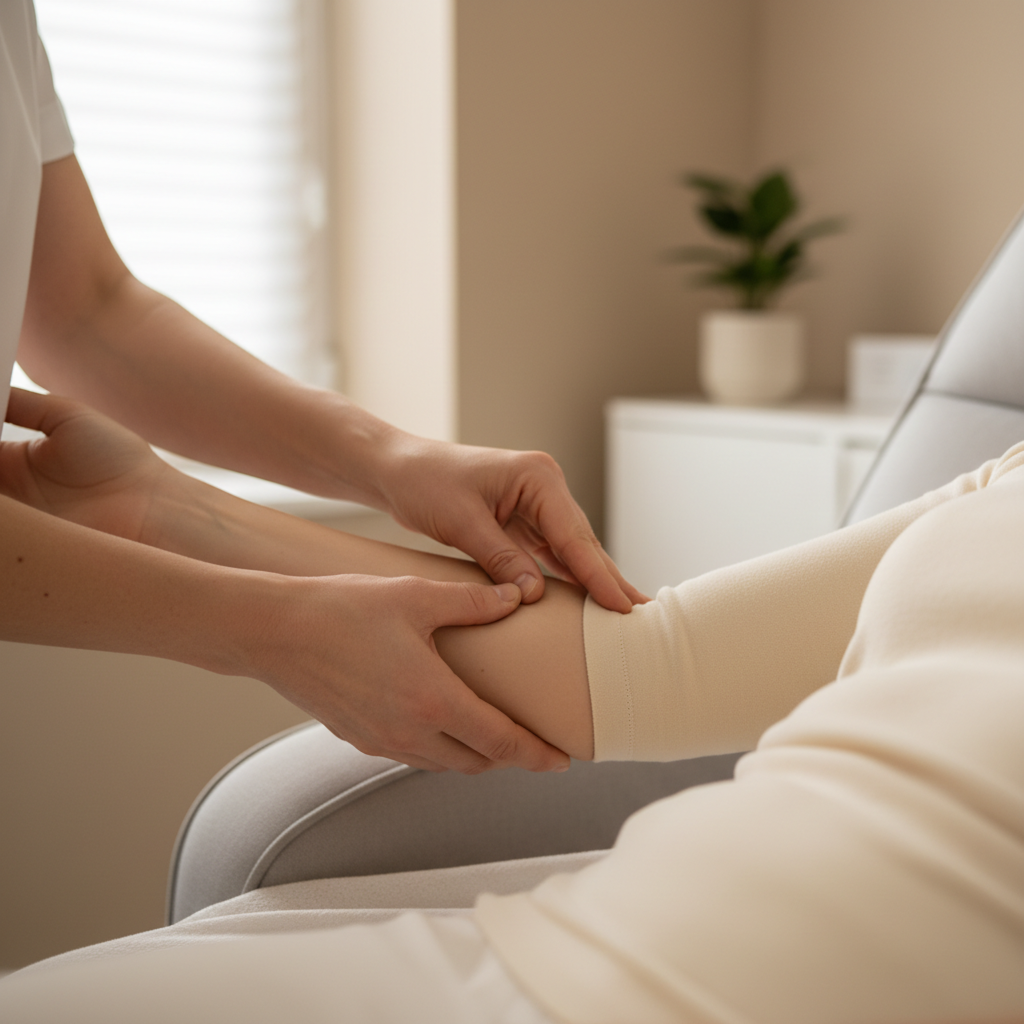
Beyond general fascial restrictions, this decompressive force plays a vital role in the long term remodeling of mature scar tissue. When the body heals from a surgical incision or a significant tear, it deposits collagen in a haphazard, disorganized pattern to quickly bridge the gap. While this provides necessary stability, the resulting tissue often lacks the organized architecture of healthy fascia. integrative cupping therapy provides a specific mechanical signal to fibroblasts, the cells responsible for synthesized collagen, to realign these fibers along lines of functional tension.
This remodeling process is essential for patients in Windsor and Northern Colorado recovering from orthopedic procedures like ACL reconstructions or rotator cuff repairs. Without intervention, scar tissue can become restrictive, anchoring the skin to the underlying muscle and limiting range of motion. Clinical research on vacuum interventions has demonstrated significant improvements in tissue elasticity and a reduction in pain sensitivity for C-section scars, proving that even older, established scars remain responsive to mechanical tension. By addressing the interplay between cupping therapy fascia adhesions scar tissue, we help guide the body’s natural healing response toward more mobile, functional outcomes. This ensures that post-surgical sites do not become the catalyst for musculoskeletal conditions like back pain or other compensatory injuries that often arise from restricted movement patterns.
Addressing Postural Dysfunction Through Fascial Tensegrity

This mechanical remodeling of tissue leads directly into the concept of tensegrity, a principle of structural integrity where the body is held together by a continuous web of tension rather than just a stack of bones. In this model, the fascia is the tensioning wire. When one part of the web becomes restricted, the entire system must shift to compensate. This is why a restriction in the front of the shoulder can often manifest as a pull in the lower back or neck.
For active individuals in Windsor, chronic postural habits like "tech neck" or the "cyclist's slouch" create specific fascial adaptations. When you spend hours in a forward leaning position, the fascia on the front of the body stays in a shortened state. The body, seeking stability, reinforces this position by thickening the fascial layers. This creates a functional lock where the relationship between cupping therapy fascia adhesions scar tissue prevents you from standing tall, even when you try to use conscious effort.
At Acumotion, we use integrative cupping therapy to specifically target the "short" side of these postural patterns. By applying decompression to the chest or front of the neck, we release the tension that is physically pulling the body out of alignment. This differs from a general relaxation massage because the focus is on structural realignment. Once these front side restrictions are cleared, the body can return to a neutral posture without the constant internal resistance that often contributes to musculoskeletal conditions like back pain. Resolving these global tension patterns is a prerequisite for the long term success of sports acupuncture in Northern Colorado, as it ensures the nervous system isn't constantly fighting against a restricted fascial frame.
The Acumotion Approach: Integrating Cupping with Sports Acupuncture
At Acumotion Sports Therapy, we rarely utilize integrative cupping therapy as an isolated modality. Our clinical strategy relies on the synergy between different physiological inputs. By first addressing the mechanical restrictions associated with cupping therapy fascia adhesions scar tissue, we prepare the body for the neurological input of sports acupuncture in Northern Colorado.
This sequence is intentional. When we use cupping to lift and create space within the fascial layers, we remove the physical resistance that often hampers other treatments. Once the tissue is decompressed, motor point therapy or dry needling can more effectively access the neuromuscular junctions to reset dysfunctional muscle patterns. This combination addresses both the hardware of the fascial structure and the software of the nervous system.
By clearing these fascial restrictions early in the session, subsequent manual therapy and corrective exercises become significantly more impactful. The body is no longer fighting against its own internal friction. This integrative, results-driven care is specifically designed for the active population in Loveland and Windsor, ensuring that every intervention builds upon the last to resolve musculoskeletal conditions like back pain and optimize athletic function.
Common Questions About Cupping and Fascia
Understanding how integrative cupping therapy interacts with your body is essential for setting realistic recovery expectations. One common question is whether cupping breaks up scar adhesions. The answer is yes, but specifically through mechanical separation. The suction creates a tensile strain that pulls apart the stuck layers of collagen, allowing the fibers to realign and restore independent movement. This specific focus on cupping therapy fascia adhesions scar tissue is vital for resolving musculoskeletal conditions like back pain where old injuries or surgeries have created persistent, restrictive patterns.
Another frequent inquiry is whether cupping can break up the fascia itself. It is critical to clarify that fascia is a resilient, protective network that we do not want to physically break. Instead, the negative pressure releases fascial restrictions. It reverses the process of densification by drawing fluid into the matrix, which transforms sticky adhesions back into a lubricated, sliding system. This restoration of glide is what allows for the increased range of motion seen in our athletic population.
Finally, patients often ask about the circular marks. These are not bruises. A bruise results from trauma to healthy vessels, whereas these marks represent the vacuum drawing metabolic waste and stagnant blood from deep tissues to the surface. This process allows the lymphatic system to clear waste more efficiently. At Acumotion, these marks serve as a diagnostic indicator of local stagnation, helping us refine your integrative treatment plan for sports acupuncture in Northern Colorado.
Effective recovery begins with understanding how tissue decompression can release stubborn adhesions and improve your range of motion. By targeting the fascia directly, you can move past limitations and restore your body’s natural resilience. If you would like professional assistance in applying these techniques to your specific needs, we are ready to help. You can explore our approach to Cupping Therapy to see how this modality fits into a comprehensive recovery plan designed just for you.