
Dry Needling Was Invented by Medical Doctors. What Most Practitioners Do Today Is Acupuncture.
The term 'dry needling' was coined by Dr. Janet Travell — President Kennedy's personal physician — who discovered that a hypodermic needle inserted into a trigger point produced the same therapeutic result as an injection of anesthetic. The needle, not the injectate, was the mechanism. That discovery created dry needling: a hypodermic needle, no injectate, targeting taut banded muscles and trigger points for pain relief. Segmental. Precise. Legitimate. What most physical therapists, chiropractors, and occupational therapists call dry needling today bears little resemblance to that original definition. They use solid filiform acupuncture needles — not hypodermic needles — and many courses teach meridian theory, distal points, and systemic neuromodulation frameworks lifted directly from classical acupuncture. Courses like Intricate Art Dry Needling and Yun Tao Ma's Biomedical Acupuncture teach the Four Gates, extraordinary vessel theory, and whole-system point selection. That is acupuncture. And it requires an acupuncture license. Dr. Geno Diveley, DACM, L.Ac. holds both: the Myopain Seminars CMTPT/DN certification — the most clinically honest dry needling curriculum available, faithful to Dr. Travell's original segmental model — and advanced acupuncture and orthopedic needling training covering every depth of needle medicine that exists. He sees patients at our Windsor clinic at 624 Main St. #3, with mobile visits available upon request across Northern Colorado.
The Complete History of Needle Medicine. And Why It Matters Who Holds Yours.
Dr. Travell's original dry needling was segmental — local tissue, local release, local pain relief. That is a legitimate and valuable clinical technique. Myopain Seminars teaches it faithfully today. What most dry needling courses now teach has quietly become something else entirely — and the only practitioner with the full training to do all of it safely, legally, and at doctoral depth is a licensed acupuncturist.
The Original Definition — Segmental and Honest
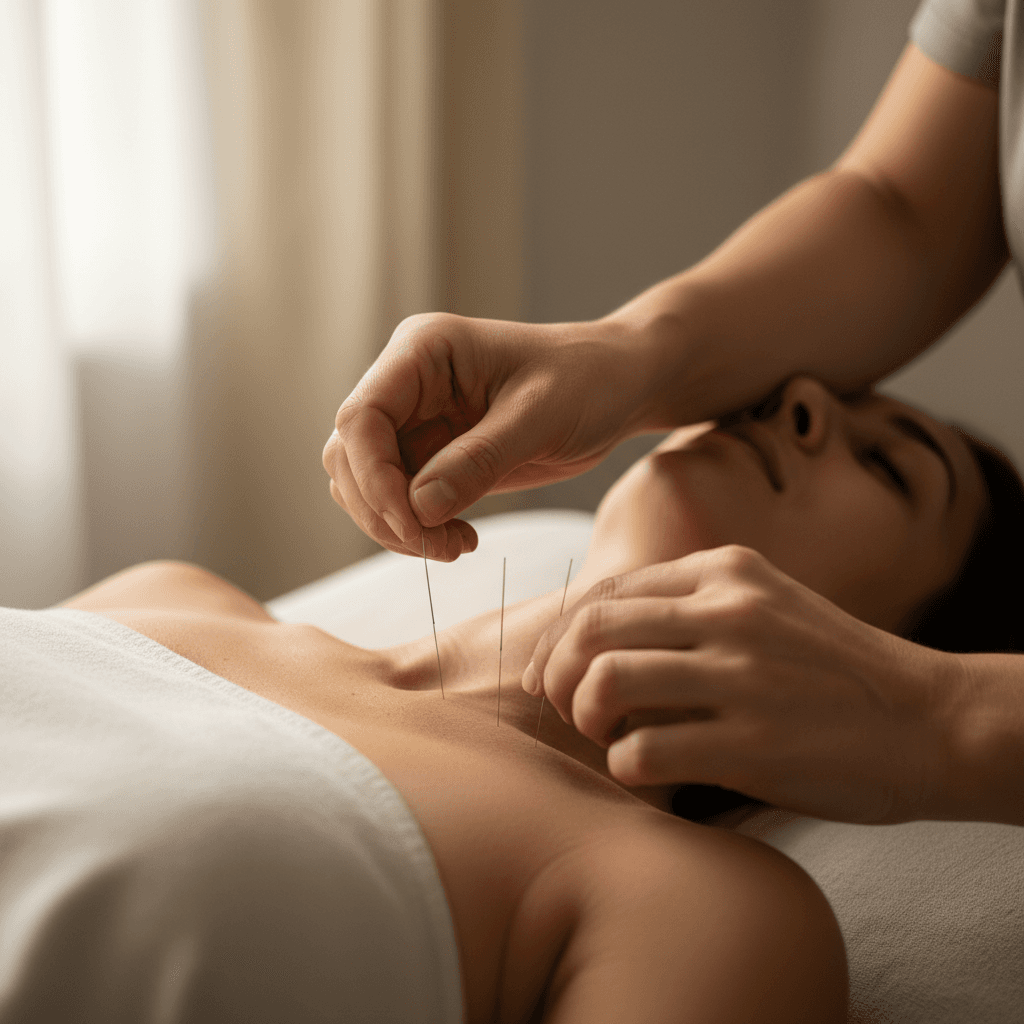
Dr. Janet Travell, who served as President Kennedy's personal physician, discovered that inserting a hypodermic needle into a trigger point produced the same relief as a local anesthetic injection. The needle was the mechanism. From that discovery came dry needling: a hypodermic needle, no medication, targeting taut banded muscles and trigger points to generate a local twitch response and release muscular stagnation. Segmental. Evidence-based. Legitimate. Myopain Seminars — the program Dr. Diveley is certified through — remains faithful to this original model today.
What Most Courses Teach Now Is Something Different
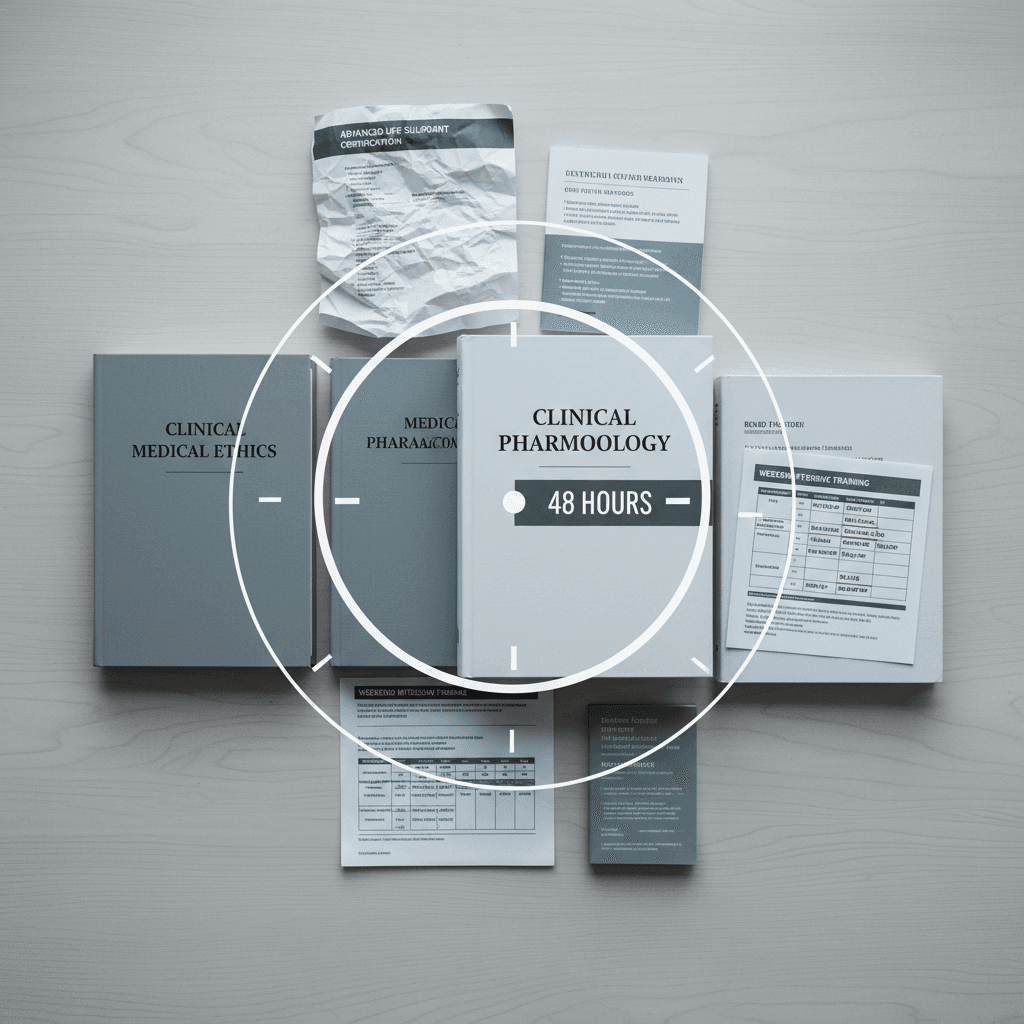
Over time, dry needling courses quietly incorporated acupuncture theory — meridians, distal points, systemic neuromodulation — while avoiding acupuncture terminology to stay within scope of practice boundaries. Courses like Intricate Art Dry Needling and Yun Tao Ma's Biomedical Acupuncture teach the Four Gates, extraordinary vessel theory, and whole-body point selection. They call it 'balancing the nervous system' instead of regulating Qi. The points are identical. The clinical reasoning is identical. The instrument is an acupuncture needle. By any honest clinical measure, this is acupuncture — and it requires an acupuncture license.

Wet Needling, Dry Needling — and What PTs Are Actually Doing
In Dr. Travell's original framework, wet needling meant a hypodermic needle with injectate. Dry needling meant a hypodermic needle without. Both targeted trigger points. Both were physician techniques. Neither used the solid filiform needles that PTs, chiropractors, and OTs insert today. Those are acupuncture needles — designed, manufactured, and regulated as acupuncture needles. The moment a practitioner picks one up, they are practicing acupuncture. Whether their state allows it under the dry needling label is a regulatory question. Whether they have the training to do it safely is a clinical one.

Dr. Diveley Holds Both — The Original and the Complete
Dr. Diveley is Myopain Seminars CMTPT/DN certified — the gold standard of the original segmental dry needling model. He is also a doctoral-level Board-Certified Licensed Acupuncturist with advanced acupuncture and orthopedic needling training of doctoral-level combined foundational, doctoral, and advanced specialty — including sports acupuncture and Myopain Seminars trigger point training training covering every depth of needle medicine. He does not have to choose between the two traditions. He practices both — with the full legal authority, clinical training, and 30 years of hands-on experience to do so safely at the highest level.

Palpation Over Protocol
Dry needling at its best is not a protocol — it is a conversation between the practitioner's hands and the patient's tissue. Dr. Diveley's orthopedic assessment and 30 years of clinical palpation experience means every needle placement is guided by what the body is actually saying, not a standardized chart.

Full Scope. Whole Body.
Because dry needling and acupuncture are the same medicine, a session with Dr. Diveley can address far more than a tight muscle. The same nervous system regulation that releases a locked hip also resolves chronic migraines, insomnia, elevated cortisol, sciatica, and digestive dysfunction. One practitioner. Every system.
What We Treat With Needle Therapy
Because acupuncture and dry needling are the same medicine expressed at different depths, Dr. Diveley's scope of care extends well beyond musculoskeletal injuries. The same precision that resolves a golfer's hip restriction also regulates the nervous system, reduces cortisol, and restores systemic function.
Back pain and stiffness
Lower and upper back tension, muscle knots, and restricted movement improved through targeted needle therapy.

Sciatica and leg pain
Sciatic nerve irritation, radiating leg pain, and lower limb numbness addressed through precise needle placement.
Shoulder and neck tension
Frozen shoulder, rotator cuff tightness, and cervical stiffness resolved with orthopedic acupuncture techniques.

Sports injuries and strains
Muscle strains, ligament sprains, and overuse injuries common in athletes treated for faster recovery.
Knee and ankle pain
Patellofemoral pain, ligament issues, and ankle dysfunction improved through motor point therapy.

Headaches and migraines
Tension-type headaches and migraine triggers reduced through cervical and cranial acupuncture therapy.
The Questions Patients Ask Before They Commit
Straight answers. No clinic jargon. No hedging.
Not every pain needs weeks of rest
Some problems respond better to precise work. Explore our approach to sports acupuncture, motor point therapy, or read why migraines and dry needling are worth a closer look.

Reserve Your First Treatment Session
Dr. Geno Diveley, L.Ac., DACM sees patients at our Windsor clinic at 624 Main St. #3, serving Fort Collins, Loveland, Timnath, Windsor, Berthoud, and beyond. Home, office, and facility visits can be arranged directly with Dr. Diveley upon request. Serving Windsor, Timnath, Loveland, Fort Collins, Berthoud, Johnstown, and Northern Colorado. Every session is private, one-on-one, and begins with treatment — not paperwork. Call or text 970-344-8076.