Your neck has been compensating long enough.
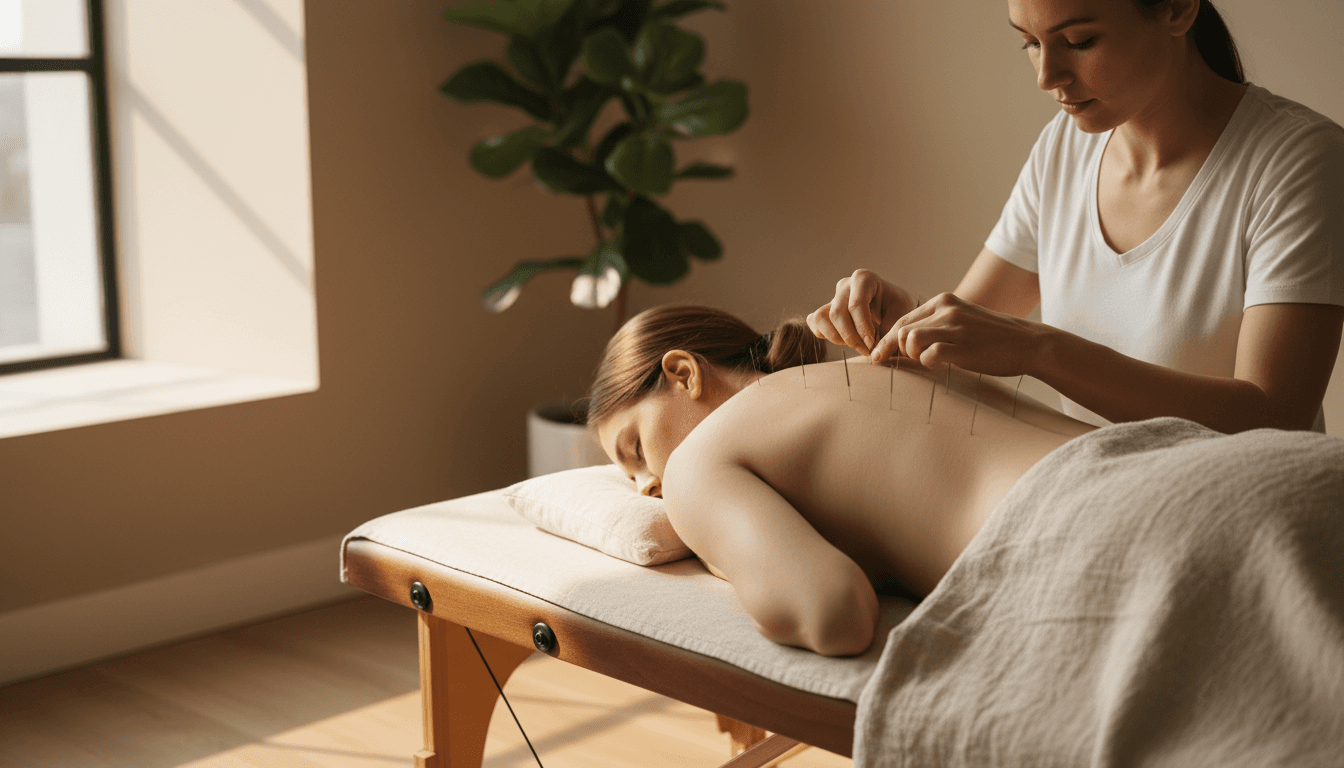
Your neck carries more than just your head. It absorbs the strain of every hour at a desk, every mile of the I-25 commute, and every night of compromised sleep. When that accumulated tension transforms into persistent stiffness, cervicogenic headaches that radiate from the base of your skull, or tension headaches that build through the workday, the question becomes urgent: Can this actually help me? The answer depends on what you are treating — not just what you are feeling. Standard stretching and generic massage often fall short because they address surface-level muscle tightness without reaching the deeper dysfunction: trigger points in the suboccipitals and upper trapezius, restricted fascia along the cervical spine, and sensitized neural pathways that keep pain signals cycling long after the initial strain is gone. These are not problems of effort or discipline. They are mechanical and neurological patterns that require precise, evidence-informed intervention. At Acumotion Sports Therapy, we treat neck pain and chronic headaches through a clinical lens — combining dry needling in Windsor, CO to deactivate hyperirritable trigger points, myofascial release to restore glide between tissue layers, and motor point electroacupuncture to recalibrate neuromuscular signaling in the muscles that govern head and neck positioning. This is not passive relaxation. It is targeted therapy designed to interrupt the feedback loop of tension, pain, guarding, and more tension. For Windsor residents managing the physical toll of desk work, long drives, or simply the daily stress that lodges itself between your shoulder blades, the goal is straightforward: reduce the frequency and intensity of your symptoms, restore functional range of motion, and give you back the hours currently lost to head and neck pain. Relief begins with treating the right structures.
Why standard stretching and massage often fall short
Most people with chronic neck pain and tension headaches have already tried stretching, foam rolling, and the occasional massage. The relief is usually temporary because these approaches stay on the surface. Beneath that persistent tightness lies a deeper pattern: hyperirritable trigger points embedded in the suboccipitals, upper trapezius, levator scapulae, and sternocleidomastoid (SCM) — muscles that govern head positioning and refer pain into predictable headache patterns. Add restricted fascia along the cervical spine and sensitized neural pathways that keep pain signals cycling, and you have a mechanical and neurological loop that passive stretching alone cannot interrupt. For Windsor residents managing hours of desk posture and I-25 commuting, the physical toll compounds daily. The tightness is not a failure of effort. It is a clinical problem that requires precise, evidence-informed intervention.
What drives chronic neck pain and cervicogenic headaches
Cervicogenic headaches — headaches that originate from dysfunction in the cervical spine and its surrounding soft tissues — have identifiable biomechanical causes. The most common include prolonged forward head posture (often called tech neck), where the head drifts inches in front of the shoulders and forces the posterior neck muscles into constant overwork. Myofascial trigger points in the upper trapezius and suboccipital region create referral patterns that mimic tension headaches, sending dull, aching pain from the base of the skull toward the forehead and temples. Prior whiplash injuries, even years old, can leave lingering soft tissue restrictions that the body has compensated around rather than resolved. Stress-related muscle guarding — the unconscious habit of bracing the shoulders and clenching the jaw — adds another layer of sustained contraction. And for those logging miles on I-25 or sitting through back-to-back meetings, the cumulative biomechanical strain simply outpaces the body's ability to recover on its own.
What neck pain and cervicogenic headaches actually feel like
Cervicogenic headaches typically present as unilateral pain that begins at the base of the skull and radiates upward — across the occiput, behind the ear, and toward the temple or forehead. Unlike migraines, which often involve light sensitivity, nausea, and visual disturbances, cervicogenic headaches are mechanical: they worsen with sustained neck positions, improve (or at least change) with movement, and are reproducibly tender when the upper cervical segments are palpated. Alongside the headache, patients commonly report deep, aching stiffness through the cervical spine, tenderness concentrated in the suboccipital region and upper trapezius, restricted range of motion when turning or tilting the head, and referred pain into the shoulder blade. Tension-type headaches that build through the workday — peaking by late afternoon — are another hallmark, often dismissed as stress but rooted in the same myofascial dysfunction. If your headache pattern includes visual aura, throbbing on one side, nausea, or sensitivity to light and sound, you may be experiencing migraine rather than cervicogenic headache. Visit our migraine treatment page for condition-specific information.
When to seek immediate medical attention
Most neck pain and tension headaches, while debilitating, are not dangerous. But certain symptoms warrant urgent evaluation. Seek emergency care if you experience: a sudden-onset headache that reaches maximum intensity within seconds (thunderclap headache), neck pain or headache accompanied by fever and neck stiffness, new neurological symptoms such as weakness, numbness, or loss of coordination in the arms or legs, loss of bowel or bladder control, or headache following head trauma with loss of consciousness. These are not musculoskeletal patterns — they require immediate medical assessment. If your symptoms do not include these red flags and you are looking for a clinical, non-pharmaceutical approach to chronic neck pain and cervicogenic headaches, Acumotion Sports Therapy can help.
Targeted therapy designed to interrupt the feedback loop
Chronic neck pain and headaches follow a predictable cycle: muscle tension produces pain, pain triggers protective guarding, and guarding creates more tension. Breaking this loop requires more than relaxation — it requires precise intervention at the neuromuscular level. Dr. Geno Diveley, L.Ac., DACM, combines four evidence-informed modalities in each session. Dry needling targets hyperirritable trigger points in the cervical and shoulder girdle muscles, producing a localized twitch response that releases the taut muscle band and immediately reduces referred pain. Myofascial release addresses fascial restrictions that limit glide between tissue layers — restrictions that develop over years of postural strain and injury compensation. Motor point electroacupuncture delivers mild electrical stimulation directly to the motor points of overactive muscles, recalibrating neuromuscular signaling and restoring normal resting tone. And cupping therapy decompresses tight myofascial tissue, increasing local blood flow to areas that have been chronically ischemic from sustained contraction. This is not passive treatment. It is targeted therapy that works with your body's own repair mechanisms to restore functional range of motion, reduce headache frequency and intensity, and return you to the activities that neck pain has been stealing — whether that is turning your head to check a blind spot on I-25 or simply making it through a workday without your neck screaming by 4 p.m.
Six modalities. One session. Built around your condition.
Each visit combines targeted needling, myofascial release, and a take-home plan you can follow.
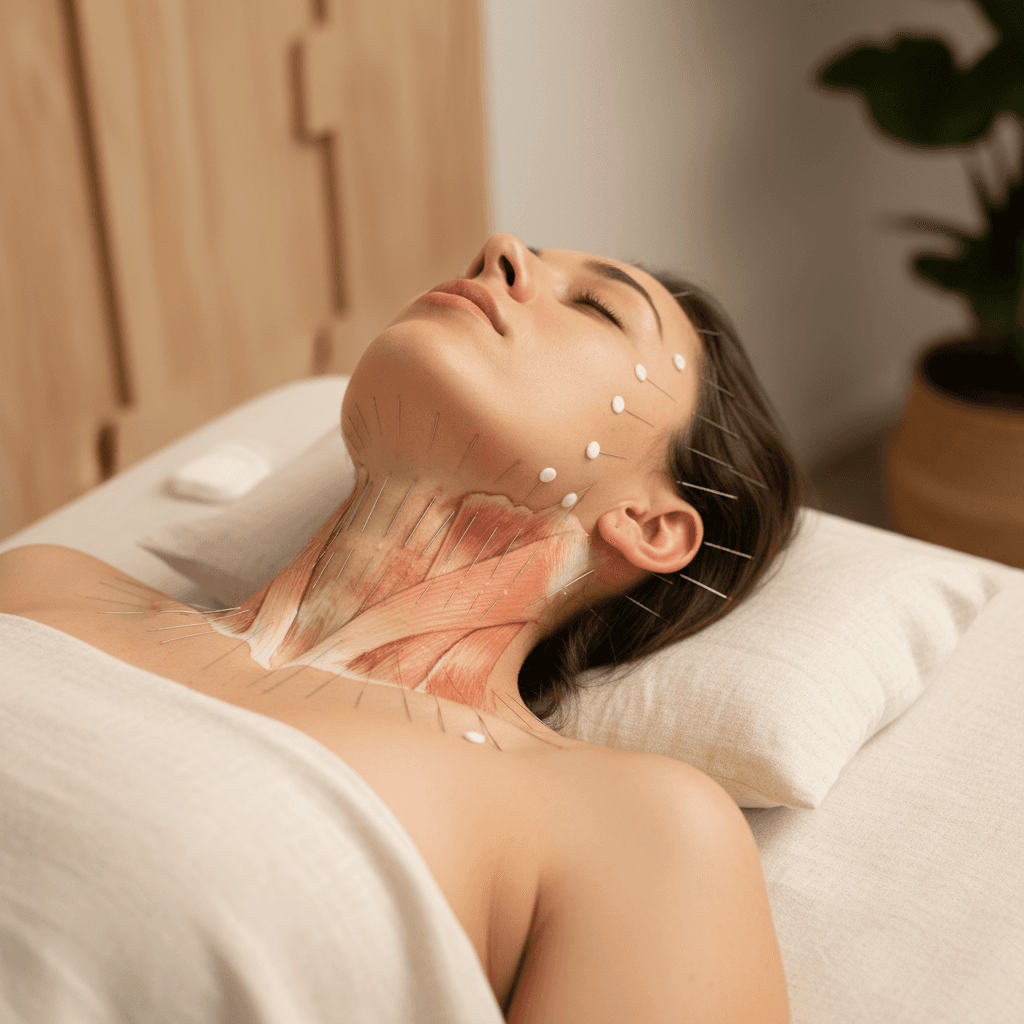
Dry needling
Fine needles target trigger points in the neck and upper back to release tight muscles and interrupt headache referral patterns.
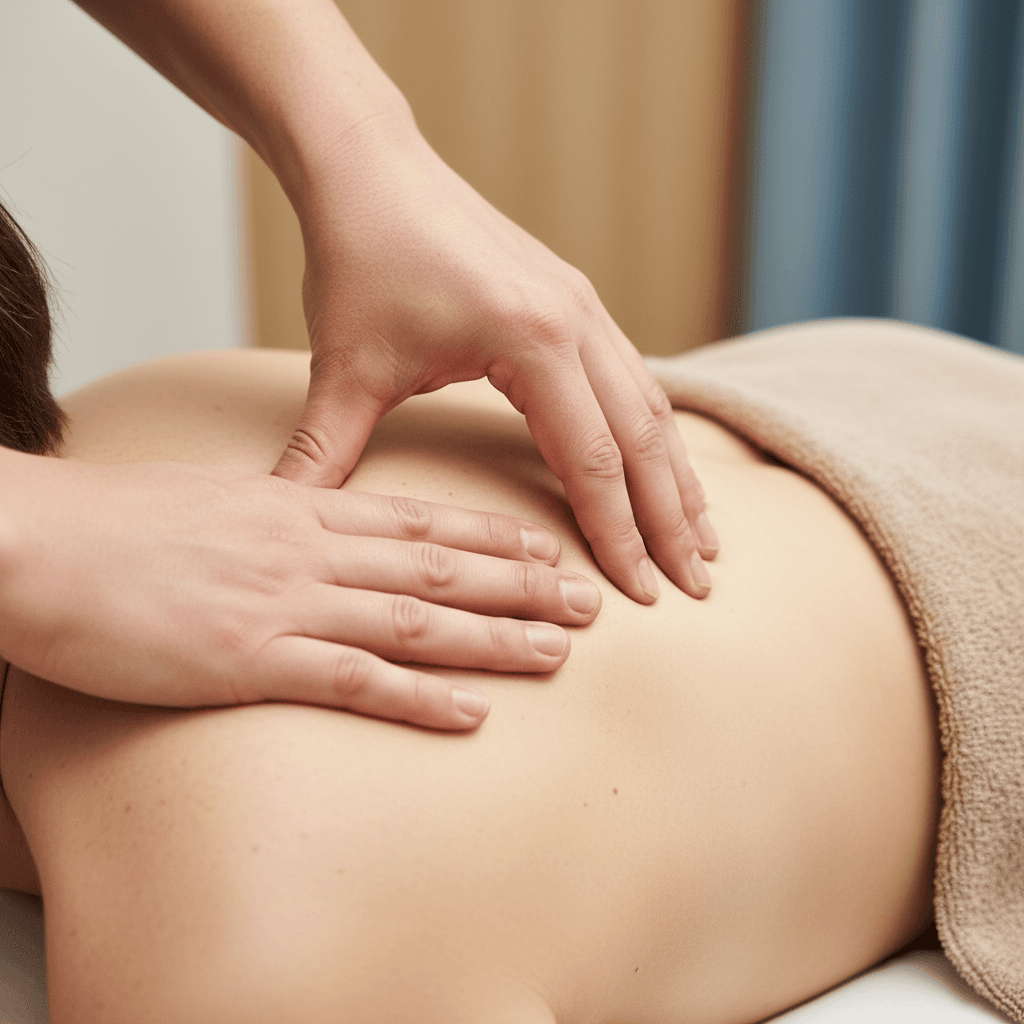
Motor point therapy
Direct stimulation of the specific neck and shoulder muscles that drive your headache pattern.
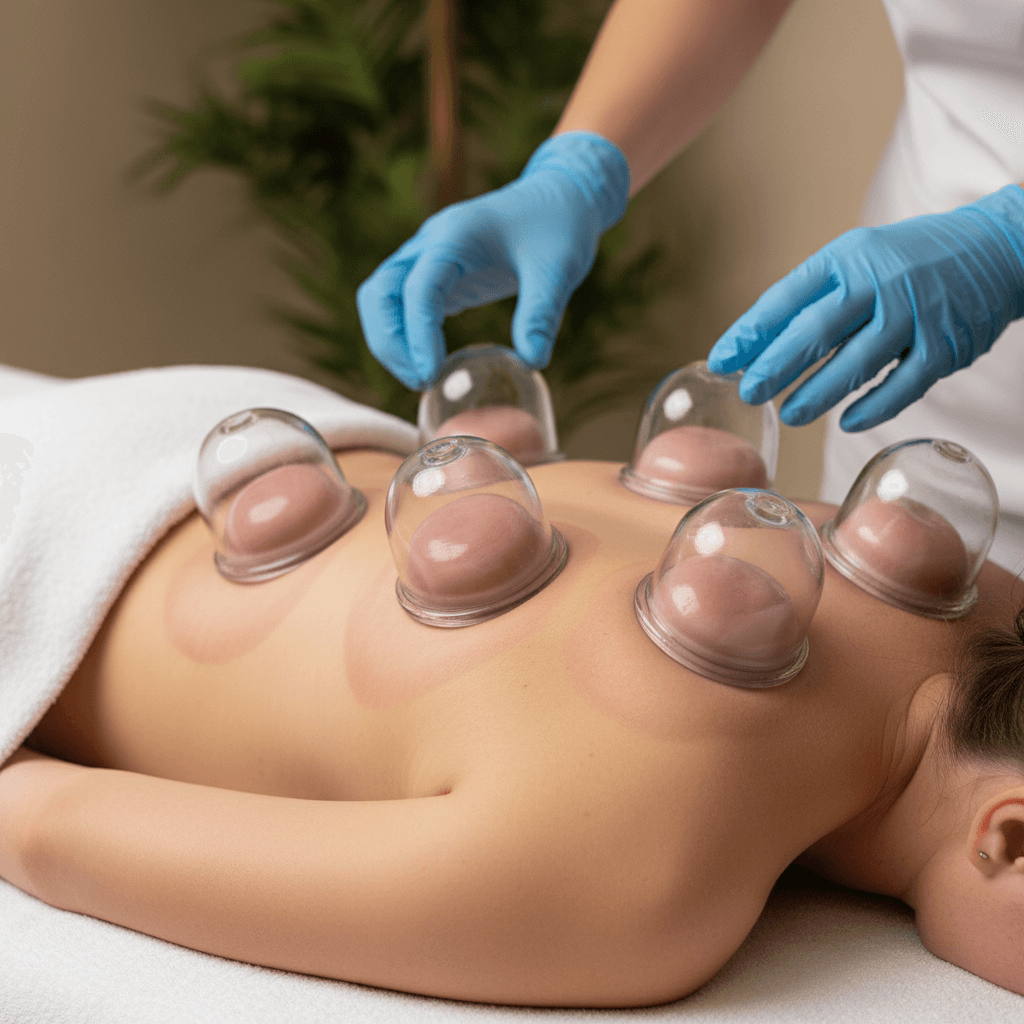
Cupping therapy
Gentle suction lifts tight fascia and improves blood flow to sore areas.
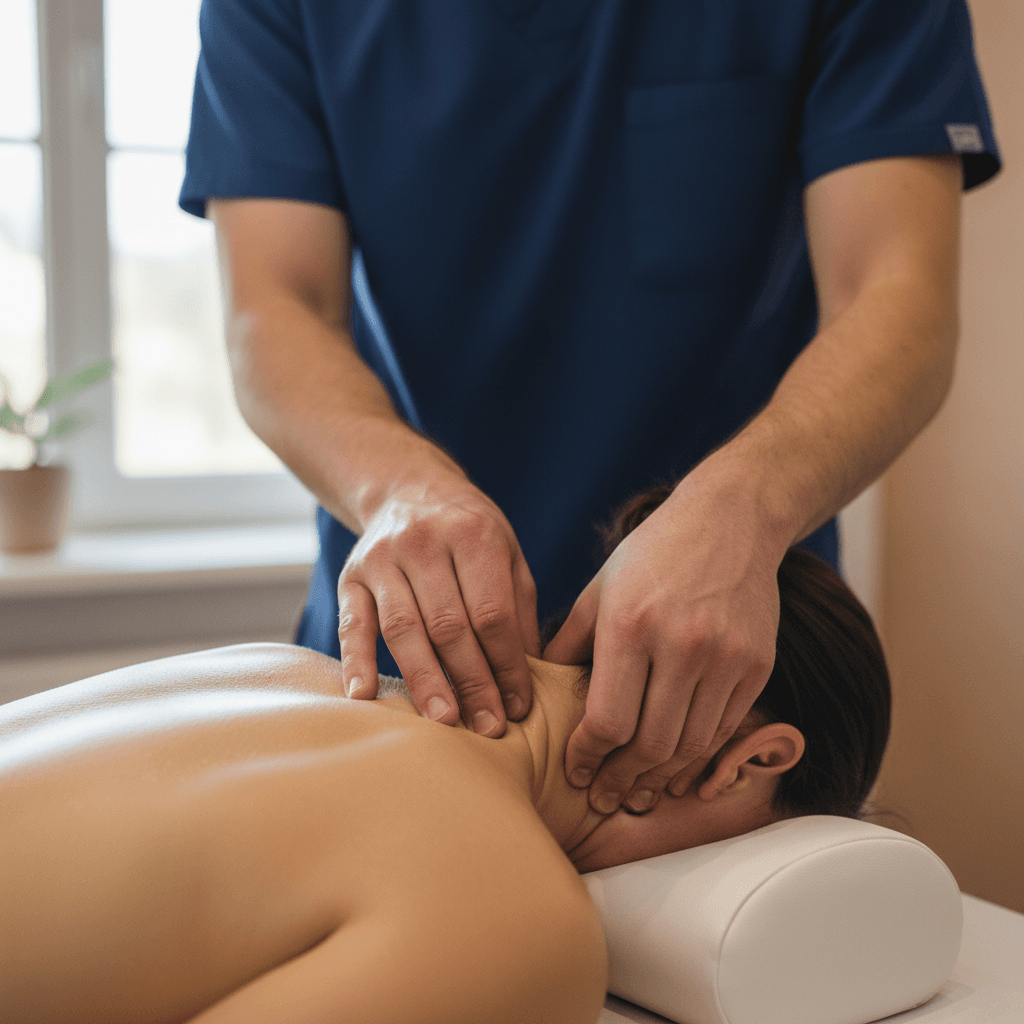
Myofascial release
Hands-on work softens restricted tissue so the neck moves freely.
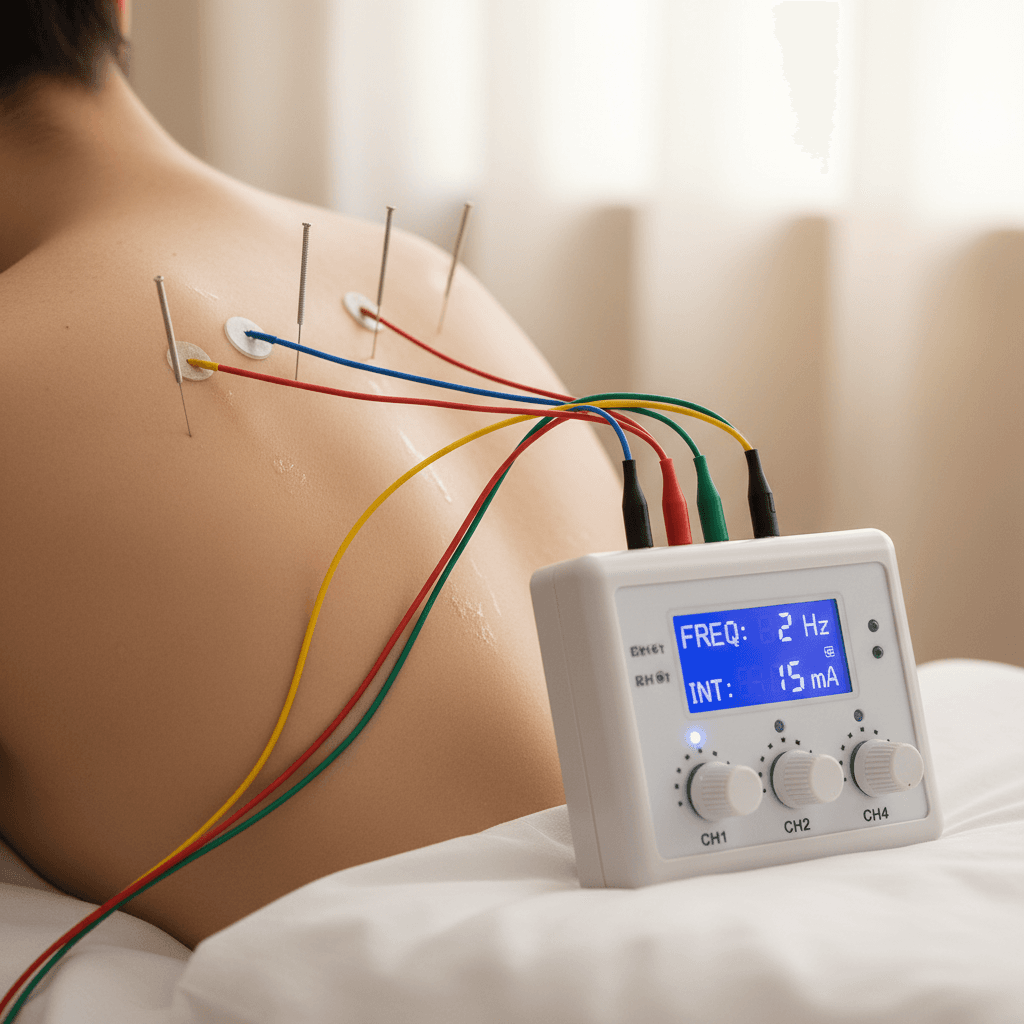
Electroacupuncture
Mild current helps stubborn muscles relax and retrain pain-free motion.

Home care plan
Simple stretches and habits that keep your progress going between visits.
Questions about neck pain and headaches?
Quick answers about neck pain and headache treatment. Still unsure? Reach out any time.
Target the source of your neck pain and headaches — not just the surface
Book a one-on-one session at our Windsor clinic at 624 Main St. #3 and start treating the mechanical source of your neck pain and headaches this week.