Acupuncture and dry needling for rotator cuff tears Northern Colorado provide effective non-surgical pain relief by deactivating myofascial trigger points and restoring muscle balance. These techniques improve range of motion and reduce inflammation to support the healing process; however, they focus on functional recovery rather than direct structural repair of the tendon. Many patients utilize these therapies as a primary alternative to surgery for managing persistent shoulder dysfunction.
Living with a rotator cuff tear in Northern Colorado often means more than just physical discomfort; it means being sidelined from the activities that define your lifestyle. Whether you are struggling to reach into the back seat of your car or finding it impossible to complete a climbing route at the local gym, the persistent ache and limited mobility can feel like an inevitable path toward surgery. However, clinical evidence and our experience at Acumotion Sports Therapy suggest that a structural tear does not always dictate your level of pain or performance. This guide examines how targeted dry needling, motor point therapy, and electroacupuncture address the functional deficits of the shoulder complex. You will discover why your MRI might not tell the whole story, how we resolve debilitating night pain, and how our specialized approach in Windsor helps athletes return to overhead sports without invasive procedures.
Understanding the Rotator Cuff: Why Shoulder Pain Lingers
The shoulder is the most mobile joint in the human body, but that mobility comes at the cost of stability. The rotator cuff is the primary stabilizer, consisting of a specialized group of four muscles collectively known as the SITS muscles: the supraspinatus, infraspinatus, teres minor, and subscapularis. These muscles must work in perfect orchestration to keep the arm bone centered in its shallow socket during movement.
Rotator cuff pathology generally falls into two categories. An acute tear typically follows a specific trauma, such as a fall or a sudden heavy lift, while chronic impingement and degenerative tears develop gradually through years of repetitive wear and mechanical friction. Unlike general shoulder soreness, rotator cuff dysfunction has a distinct clinical signature. The hallmark symptoms include a sharp or deep throb when reaching overhead, pain when reaching behind the back to fasten a seatbelt, and significant discomfort when trying to sleep on the affected side.
For many active adults and athletes in Windsor and Fort Collins, a diagnosis of a tear feels like an automatic sentence to surgery. However, integrated clinical approaches like acupuncture and dry needling for rotator cuff tears Northern Colorado focus on restoring the functional mechanics of the joint. By addressing the neuromuscular drivers of pain, it is often possible to return to full activity levels through dedicated conservative care.
The MRI Myth: Why Your Tear May Not Be the Source of Your Pain
The prevalence of asymptomatic rotator cuff tears suggests that an MRI image often tells only a fraction of the story. Clinical research indicates that approximately 30% of individuals over the age of 60, and more than 50% of those over 70, have visible tears on imaging despite experiencing zero pain or functional limitations. This discrepancy highlights the critical difference between structural damage and functional dysfunction. While a scan identifies a physical tear, it cannot pinpoint the specific pain generators that are actually driving your discomfort.
At Acumotion Sports Therapy, Dr. Geno Diveley moves beyond the static image of the scan to evaluate how the shoulder complex is operating in real time. Pain often stems from myofascial trigger points and poor motor unit recruitment rather than the structural defect itself. For example, a trigger point in the infraspinatus muscle can refer sharp pain to the front and side of the shoulder, perfectly mimicking the clinical presentation of a supraspinatus tear. By utilizing acupuncture for shoulder pain, we can address these neuromuscular imbalances that imaging simply cannot detect.
Instead of treating a picture, the focus at our Windsor clinic is on restoring the functional integrity of the joint. This involves identifying which muscles have become dormant and which are overcompensating to protect the injury. When we use dry needling in Windsor to reset these dysfunctional patterns, many patients find that their pain vanishes, even though the structural tear remains visible on their MRI. This clinical perspective prioritizes how you move and feel over what a radiologist sees on a screen.
How Dry Needling for Rotator Cuff Injuries Works in Windsor
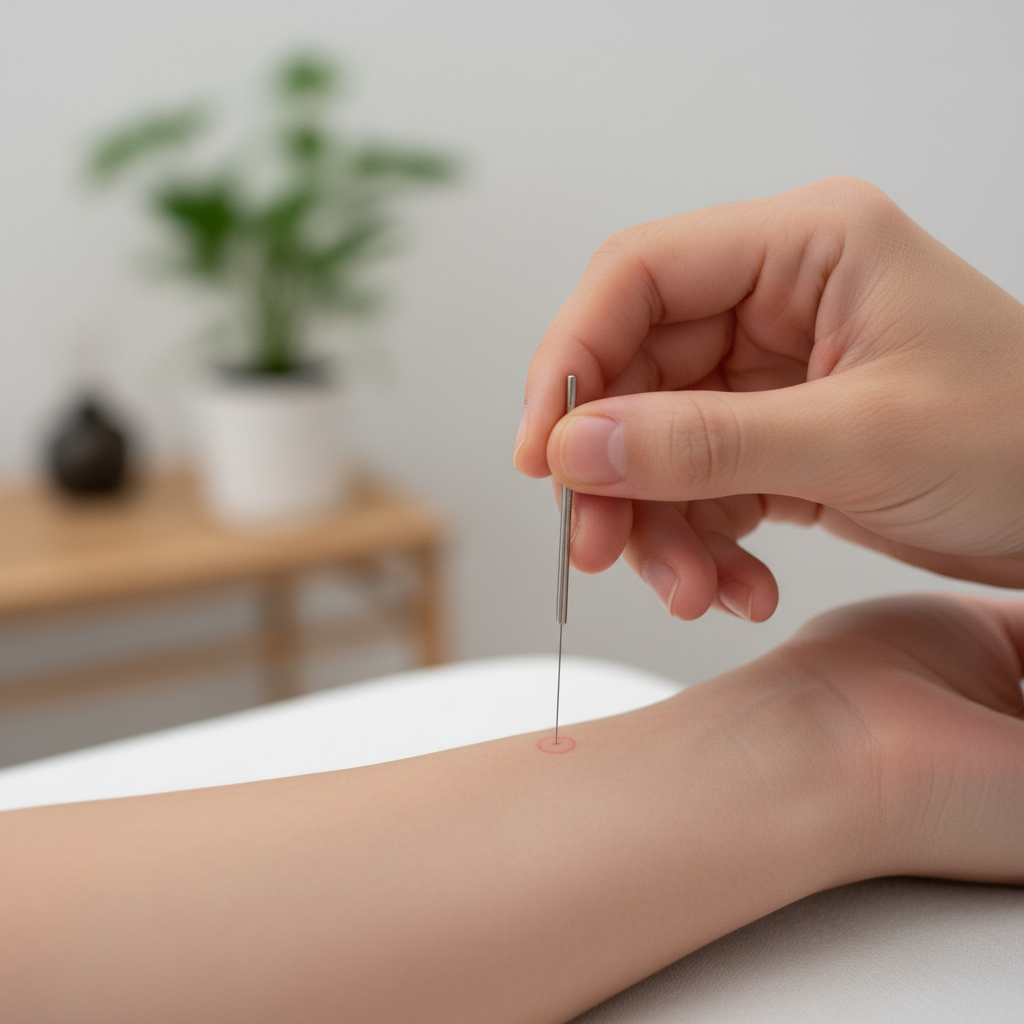
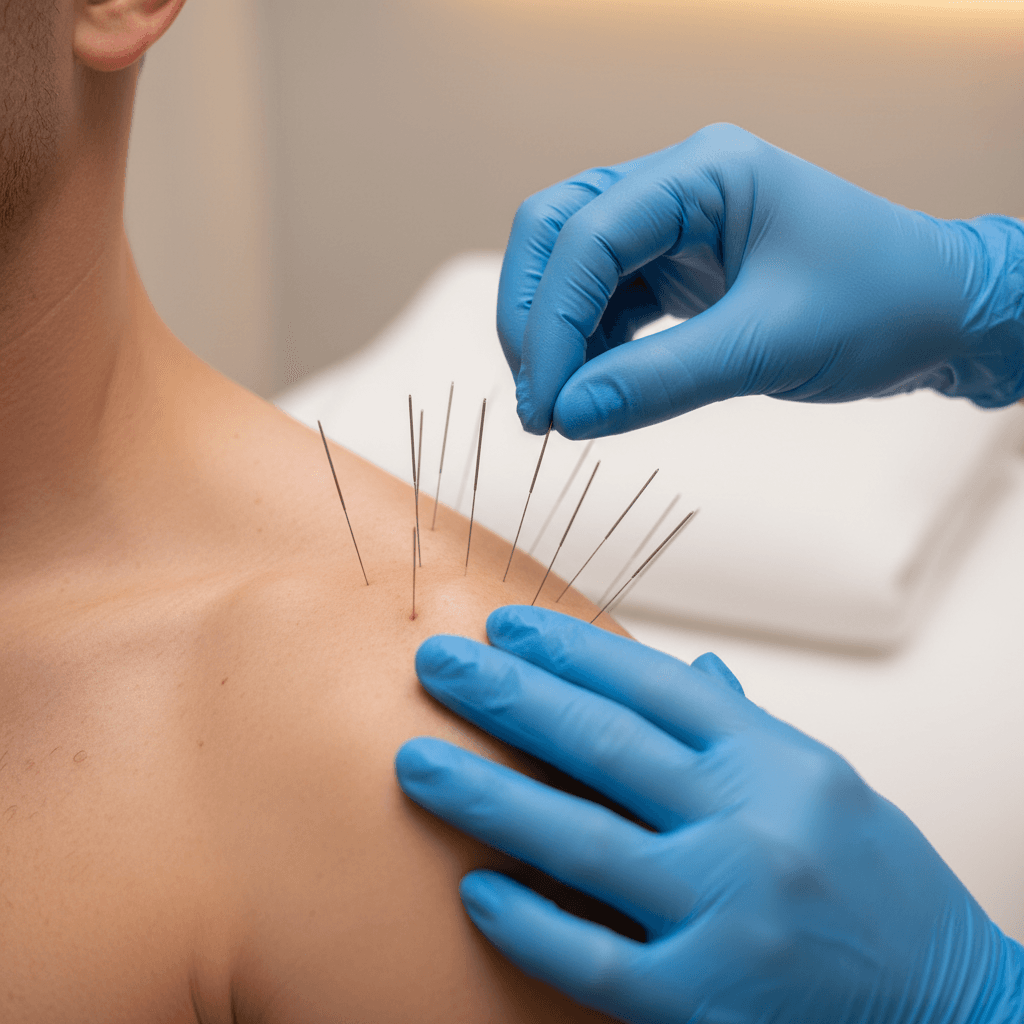
Dry needling at Acumotion targets the specific physiological environment of the shoulder joint. When a sterile filament is inserted into a myofascial trigger point within the SITS muscles, it elicits a local twitch response. This involuntary contraction indicates that the needle has successfully reached the hyperirritable band of tissue; this effectively resets the muscle's resting tone and releases built-up tension. For many patients, dry needling in Windsor focuses heavily on the supraspinatus and infraspinatus, the two muscles most frequently implicated in rotator cuff pathology.
This process does more than just relax tight fibers. Rotator cuff tendons naturally have poor circulation, which is why tears and tendonitis often take so long to resolve on their own. The mechanical stimulation of the needle creates a localized micro-trauma, which signals the body to increase blood flow to the area. This influx of oxygenated blood and nutrients to the hypovascular tendon tissue is critical for accelerating the body's innate healing process. Utilizing acupuncture and dry needling for rotator cuff tears Northern Colorado allows us to address both the muscular knots and the underlying biological repair mechanisms. This dual approach helps restore the joint's range of motion while providing the necessary stimulus for tissue recovery.
The Role of Electroacupuncture and Motor Point Therapy
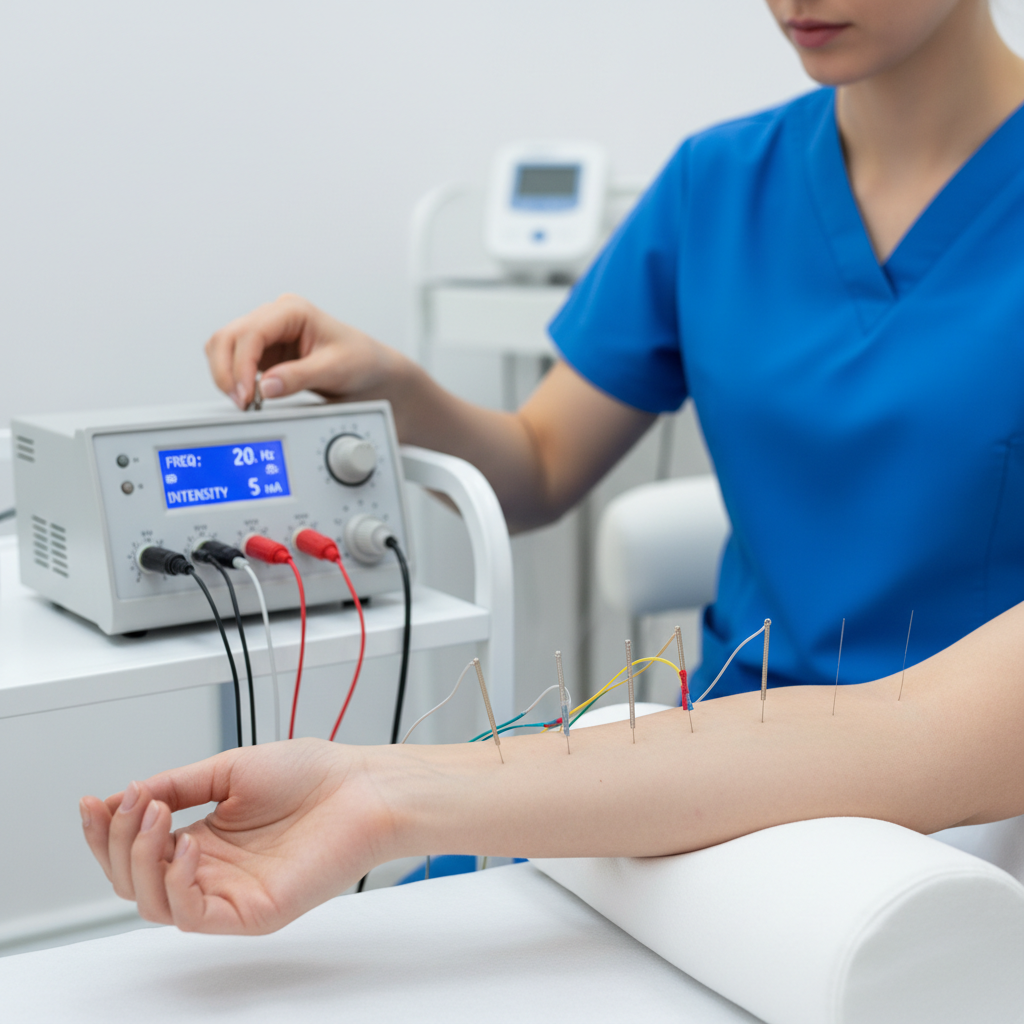
While dry needling addresses local tissue tension, Dr. Geno often integrates electroacupuncture and motor point therapy to resolve the underlying neurological dysfunction. This combination acts as a physiological reboot for the neuromuscular system. When a rotator cuff injury persists, the brain frequently inhibits specific muscles to protect the joint. This creates a cycle where healthy muscle fibers become dormant, forcing other tissues to overwork and become chronically inflamed.
By applying a mild, controlled electrical current to the needles, we can specifically target motor points, which are the precise locations where the nerve enters the muscle. This stimulation forces the recruitment of these dormant fibers, restoring the functional stability required for pain free movement. This specialized approach is particularly effective for chronic impingement cases frequently seen in active adults from Loveland and Fort Collins who have found little relief from traditional physical therapy.
Furthermore, electroacupuncture is a powerful tool for reducing central sensitization. This phenomenon occurs when the nervous system remains in a high state of reactivity, causing intense pain even during rest or minimal movement. The rhythmic stimulation helps modulate the peripheral and central nervous systems, effectively lowering the volume on pain signals. Integrating sports acupuncture Northern Colorado with these advanced techniques allows for a more comprehensive recovery than localizing treatment to the site of the tear alone.
Can a Rotator Cuff Tear Heal Without Surgery?
For many residents in Northern Colorado, the immediate fear following an MRI diagnosis is a scheduled date in the operating room. However, the clinical reality is far more nuanced. While a massive, full-thickness tear that results in a complete loss of mechanical function may necessitate surgical intervention, the majority of partial and small-to-medium tears respond exceptionally well to non-operative management. The goal of conservative care is not necessarily to physically reattach the tendon, but to restore the joint's functional integrity so it performs as if the tear were not there.
Clinical evidence strongly supports this path. A landmark 2019 study by Moosmayer followed patients for ten years and found no significant difference in long-term functional outcomes or pain levels between surgical repair and structured conservative exercise for small-to-medium tears. This suggests that the body is remarkably capable of adapting to structural changes if the surrounding muscular environment is optimized. The primary hurdle in this process is often the pain itself, which inhibits the very movements required for rehabilitation.
This is where acupuncture and dry needling for rotator cuff tears Northern Colorado becomes a pivotal component of the recovery plan. These therapies create a critical window of opportunity by dampening the inflammatory response and silencing hyperirritable trigger points. By using acupuncture for shoulder pain to manage symptoms at the neurological level, we allow the joint to move through its full range of motion without the brain's protective guarding response. This shift from mere symptom management to active functional restoration is what enables athletes and active adults to bypass the extensive downtime of surgery.
Addressing Night Pain and Improving Sleep for Recovery
One of the most debilitating aspects of a shoulder injury is the nocturnal throb that prevents deep rest. This creates a vicious cycle where persistent pain disrupts the REM and deep sleep stages necessary for physiological tissue repair. During sleep, the body secretes growth hormone and modulates inflammatory cytokines; when a rotator cuff injury interrupts this process, healing stalls and pain sensitivity increases. By utilizing acupuncture for shoulder pain, Dr. Geno targets the nervous system to down-regulate central sensitization.
The clinical application of acupuncture and dry needling for rotator cuff tears Northern Colorado stimulates the periaqueductal gray and raphe nuclei, activating the body’s natural descending pain inhibitory pathways. This neurological shift helps quiet the deep, radiating ache that often spikes when the joint is at rest. For local athletes experiencing sudden weekend flare-ups that ruin their rest, Acumotion Sports Therapy offers dedicated Sunday recovery hours in Windsor, providing specialized sports acupuncture Northern Colorado and dry needling in Windsor to help patients reclaim the restorative sleep required for long-term health.
Specialized Care for Athletes: Golf, Climbing, and Overhead Sports
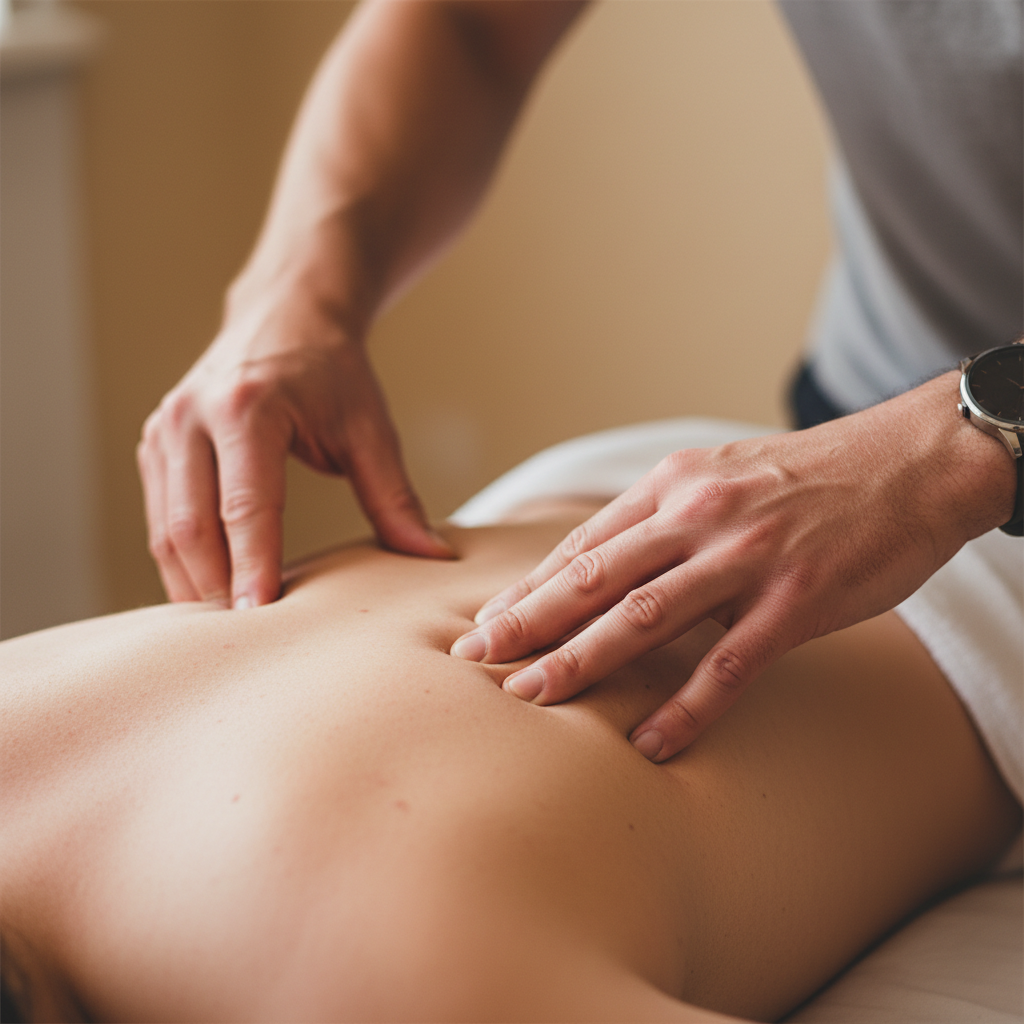
For athletes in Northern Colorado, recovery is measured by the ability to return to the course or the crag at full capacity. Golfers at Pelican Lakes require precise internal and external rotation of the shoulder to generate clubhead speed without aggravating the subscapularis. Similarly, climbers navigating routes in the Poudre Canyon rely on the supraspinatus for overhead stability during dynamic movements. Functional recovery at Acumotion Sports Therapy goes beyond mere symptom relief; it focuses on restoring the specific mobility and power required for these high demand activities.
Dr. Geno utilizes a multimodal approach to ensure the rotator cuff can handle the eccentric loads of a golf swing or a technical lead climb. By integrating myofascial release and cupping with acupuncture and dry needling for rotator cuff tears Northern Colorado, we address fascial restrictions that limit range of motion. This comprehensive strategy ensures that the joint is not just quiet, but resilient enough to sustain the rotational torque and explosive power necessary for peak performance. This level of specialized sports acupuncture Northern Colorado is designed to bridge the gap between clinical rehabilitation and athletic excellence.
What to Expect During Your Session at Acumotion Sports Therapy
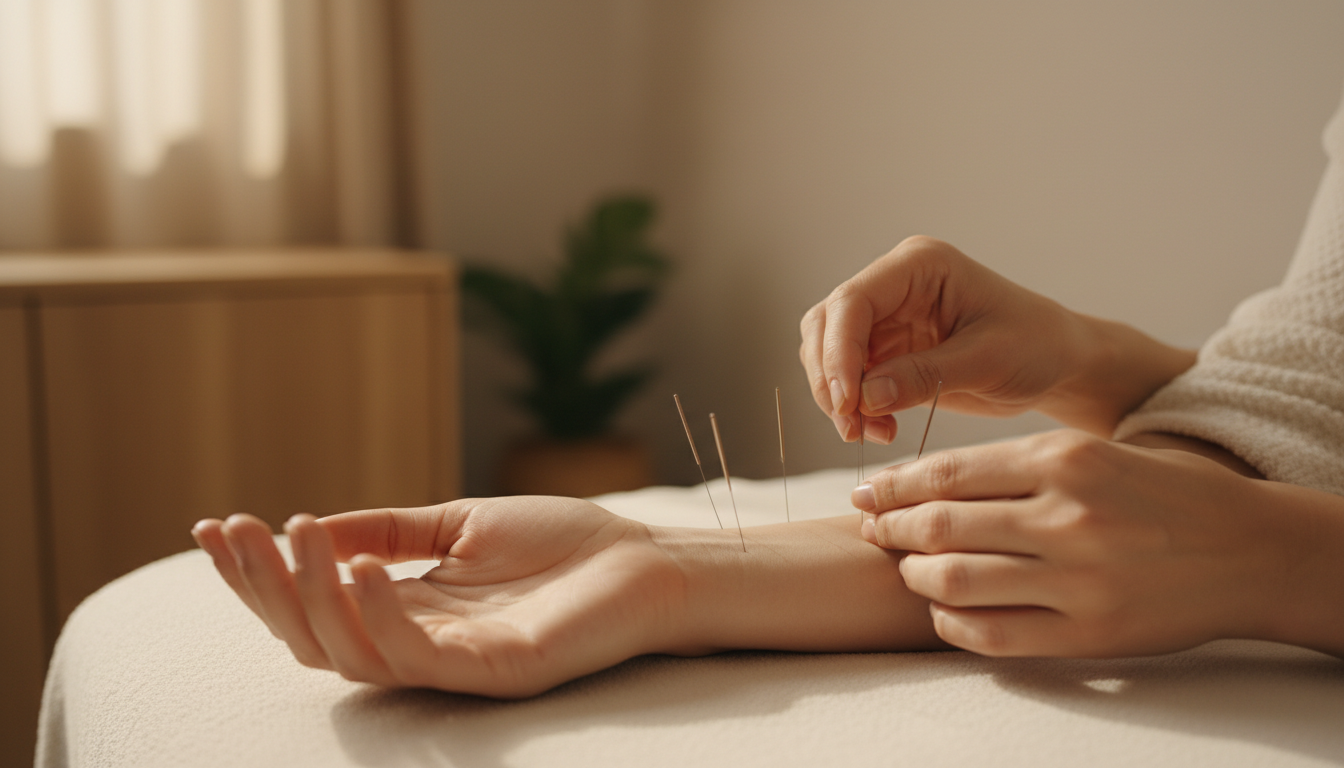
Your visit to our clinic at 624 Main St. begins with a comprehensive orthopedic evaluation to identify the specific mechanical drivers of your shoulder dysfunction. Dr. Geno Diveley utilizes his 30+ years of clinical experience and 4-year clinical training to ensure that every session is precisely tailored to your unique injury profile. A common concern for new patients is the sensation of the treatment. Most describe the experience as a deep, dull ache or a feeling of heaviness rather than a sharp or stinging pain. This sensation often indicates that the needle has successfully engaged a trigger point or motor point to initiate the healing response.
By integrating dry needling in Windsor with specialized acupuncture for shoulder pain, we address both the muscular knots and the neurological inhibition causing your weakness. This level of sports acupuncture Northern Colorado ensures that we are not just masking symptoms, but actively restoring joint function. Choosing acupuncture and dry needling for rotator cuff tears Northern Colorado at Acumotion means receiving a sophisticated, evidence-based treatment plan designed to help you bypass surgery and return to the activities that define your lifestyle.
Recovering from a rotator cuff injury requires a balanced approach that prioritizes tissue healing and functional movement. By integrating evidence-based strategies like acupuncture, you can effectively manage symptoms and avoid invasive procedures. If you are looking for expert support to accelerate your progress, professional care offers the precision needed for lasting results. We invite you to explore our specialized Shoulder Pain Relief options to see how a tailored plan can benefit you. Our goal is to help you move without limitation.