
Acupuncture and dry needling provide effective relief for jaw clenching and TMD by targeting muscle trigger points and reducing local inflammation. Patients seeking acupuncture and dry needling for TMJ in Windsor and surrounding Northern Colorado communities can find natural solutions to alleviate facial pain, restore jaw mobility, and reduce the frequency of tension headaches. These specialized therapies work by relaxing the masticatory muscles and improving blood flow to the temporomandibular joint.
Living with persistent jaw tension or a clicking jaw can turn daily tasks like eating or speaking into sources of constant discomfort. For many in Windsor, Timnath, Fort Collins, and across Northern Colorado, TMJ disorders involve more than just localized pain; they often trigger chronic headaches and neck stiffness that conventional mouthguards fail to resolve. Understanding the root cause of this dysfunction is essential for achieving long term relief. At Acumotion Sports Therapy in Windsor, we utilize a clinical approach to address the muscular and neurological components of jaw dysfunction. In this guide, you will learn how acupuncture and dry needling specifically target hypertonic muscles and trigger points to restore proper mechanics. We will explore the differences between these modalities, the role of integrative manual therapy, and what you can expect from a professional treatment plan designed to stop the cycle of clenching and pain.
Understanding TMJ and Jaw Pain in Windsor and Northern Colorado
Temporomandibular Disorder, commonly known as TMD, refers to a range of issues affecting the jaw joint and the complex network of muscles that control its movement. In the active corridors of Windsor, Fort Collins, and Loveland, jaw pain is a surprisingly frequent complaint among athletes and professionals alike. While many associate TMJ issues solely with dental problems, recent data indicates that roughly 5 to 12 percent of the population seeks clinical treatment for this condition due to its debilitating impact on daily function.
Patients often report symptoms such as audible clicking or popping when chewing, a restricted range of motion when opening the mouth, and referred pain that mimics earaches or tooth sensitivity. In Northern Colorado, specific environmental factors play a unique role. High altitude living can increase systemic physiological stress, while the physical demands of mountain biking, trail running, or skiing often lead to subconscious jaw clenching during intense exertion. This mechanical stress accumulates, causing the primary chewing muscles, the masseter and temporalis, to become chronically tight.
To treat these conditions effectively at a Windsor acupuncture clinic, practitioners must distinguish between the joint itself and the surrounding soft tissue. Most cases of TMD are myogenic, meaning they are muscular in origin rather than structural joint damage. This distinction is critical because it highlights why acupuncture and dry needling for TMJ are so effective for patients in Windsor, Timnath, and throughout Northern Colorado. By targeting the myofascial components and trigger point therapy for the lateral pterygoids and masseters, we can release the tension that pulls the jaw out of alignment. Understanding this muscular link is the first step toward restoring pain free movement and optimizing performance.
The Science of Relief: How Acupuncture and Dry Needling Target Jaw Tension
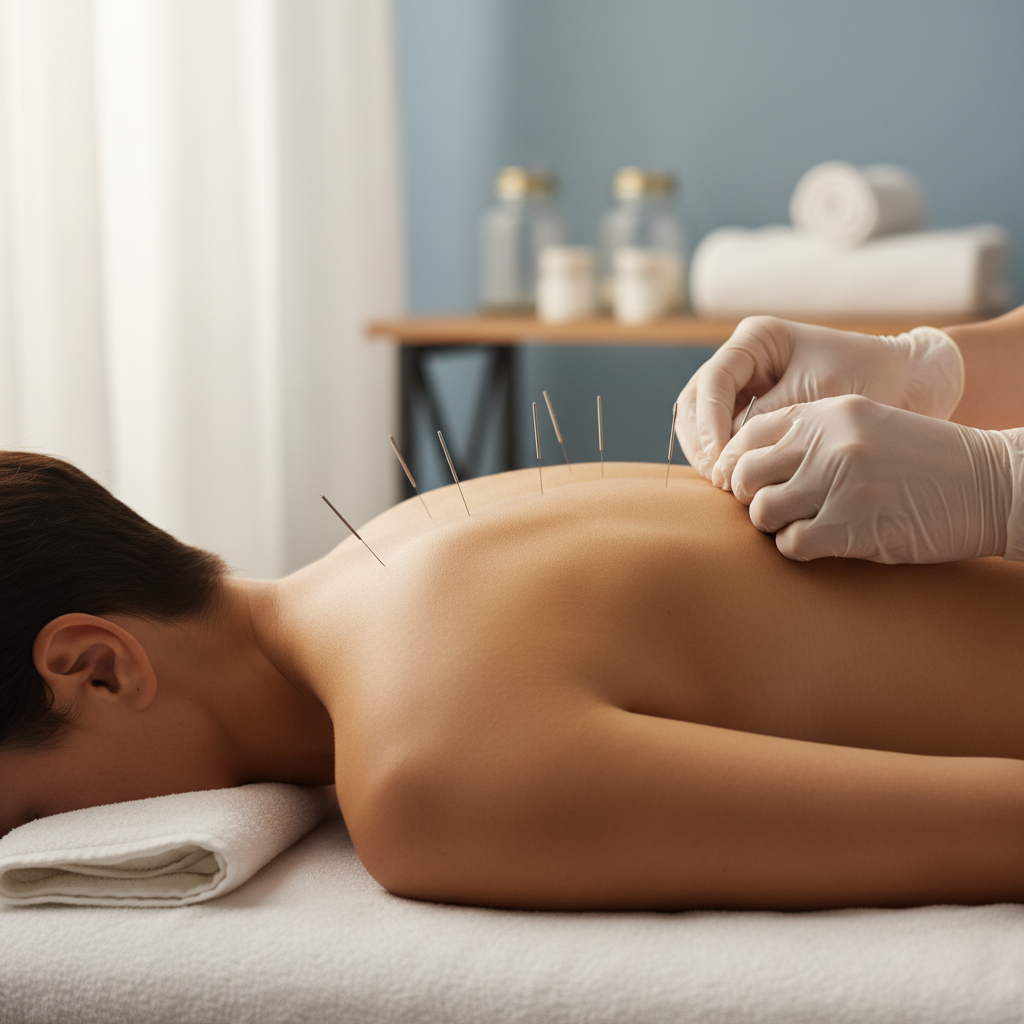
When we apply dry needling for orthopedic pain to the jaw, we target localized knots known as myofascial trigger points within the masseter and temporalis muscles. The masseter is the primary driver of bite force, while the temporalis often refers pain toward the temples and upper teeth. The needle elicits a local twitch response, which is an involuntary contraction that signifies a neurological reset of the muscle spindle. This mechanical disruption increases local blood flow and flushes out inflammatory markers, which is essential for reducing the chemical sensitivity of the nerve endings in the jaw.
Acupuncture complements this mechanical reset by providing a broader neurological benefit. By stimulating specific points, we influence the autonomic nervous system to shift from a sympathetic state of fight or flight to a parasympathetic state of rest and digest. This transition is vital for TMD sufferers who often present with systemic inflammation and heightened cortisol levels. The process triggers the release of endogenous opioids, such as endorphins and enkephalins, which provide natural pain relief and help downregulate the central nervous system’s perception of chronic pain.
The clinical efficacy of acupuncture and dry needling for TMJ is supported by recent high level evidence. A 2025 systematic review of 10 randomized controlled trials published in the Journal of Acupuncture and Meridian Studies found that acupuncture significantly reduces TMD pain severity, improves mandibular function, and promotes long term relief in patients with myofascial pain. This body of evidence confirms that patients in Windsor and Northern Colorado seeking non pharmaceutical relief for jaw dysfunction can trust that targeted needling therapies are grounded in rigorous science, not anecdote.
Dry Needling vs. Acupuncture for TMJ: Why Not Both?
Many patients searching for relief ask whether they should choose dry needling or traditional acupuncture. At Acumotion Sports Therapy, we view this as a false choice. The most effective clinical outcomes for acupuncture and dry needling for TMJ Northern Colorado come from an integrated model often referred to as orthopedic acupuncture. By combining these techniques, we address the mechanical dysfunction of the jaw while simultaneously downregulating the nervous system.
Dry needling is our primary tool for treating local trigger point therapy within the muscles of mastication. We focus specifically on the lateral pterygoid, a deep muscle that attaches directly to the temporomandibular joint disc. When this muscle becomes hypertonic, it can pull the disc out of its optimal position, leading to the clicking, popping, and locking sensations many patients experience. Utilizing dry needling for orthopedic pain allows us to precisely release these deep fibers, restoring proper joint tracking and immediate range of motion.
While dry needling handles the local mechanics, traditional acupuncture points located distally on the arms or legs address the systemic drivers of jaw tension. Chronic nocturnal bruxism, or teeth grinding, is frequently fueled by elevated cortisol levels and a persistent state of sympathetic dominance. Distal acupuncture points are utilized to lower systemic stress and balance the autonomic nervous system. This dual approach ensures that we are not just loosening a tight masseter, but also quieting the neurological drive that causes you to clench during sleep. This comprehensive strategy at our Loveland acupuncture clinic provides a more sustainable path to recovery than using either modality in isolation.
Beyond the Needle: Integrative Manual Therapy for TMD
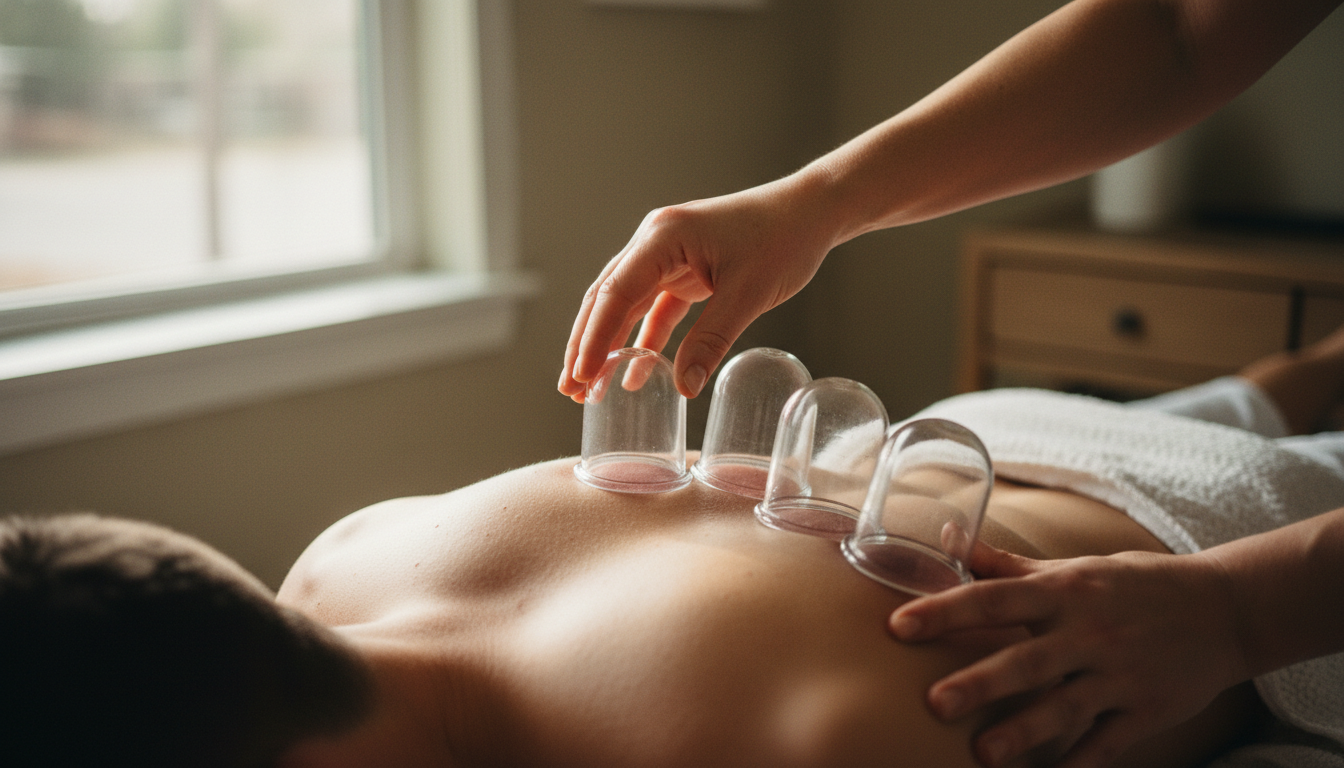
Sustainable recovery from jaw dysfunction requires looking past the localized joint to the surrounding kinetic chain. At our Windsor acupuncture clinic, we utilize manual therapy to address the fascial restrictions that needles alone might not fully resolve. Myofascial release and cupping therapy are particularly effective for the upper trapezius and sternocleidomastoid (SCM) muscles. These tissues often become tethered due to the forward head posture common in desk-bound professionals and athletes, creating a mechanical pull that exacerbates jaw misalignment.
We also incorporate motor point therapy to reset the neurological signal to the masseter and temporalis. While the deep masseter provides the primary power for chewing, the temporalis acts as a crucial stabilizer; if these two are not firing in sync, the joint remains under constant strain. Furthermore, we prioritize the cervical spine in every treatment plan. The upper neck vertebrae and the jaw share common nerve pathways, meaning chronic neck tension often manifests as persistent TMD. By integrating these modalities with acupuncture and dry needling for TMJ at our Windsor clinic, we treat the structural root causes rather than just the symptoms. This holistic approach, which may include trigger point therapy for the scalenes, ensures the jaw remains relaxed and functional long after you leave the clinic.
Acupuncture for Jaw Clenching and Stress-Induced Bruxism
Stress serves as the primary driver for nocturnal bruxism and daytime clenching. While local tension is a symptom, the root often lies in a hyperactive sympathetic nervous system. When the body remains in a persistent fight or flight state, the jaw muscles are among the first to recruit as a protective bracing mechanism. At our Loveland acupuncture clinic, we use specific acupuncture protocols to downregulate this neurological drive. By modulating the autonomic nervous system, we help transition patients into a parasympathetic state, which naturally reduces the subconscious signal to clench.
This functional approach offers a distinct advantage over treatments like Botox injections. While Botox effectively paralyzes the masseter to reduce bite force, it does not address why the muscle is overactive in the first place. Over time, repeated Botox use can lead to muscle atrophy and a decrease in bone density in the jaw. In contrast, using acupuncture and dry needling for TMJ Northern Colorado focuses on restoring normal muscle tone and enhancing local blood flow. We aim to rehabilitate the tissue so it can function optimally without the need for chemical paralysis. By combining sports acupuncture in Northern Colorado with dry needling for orthopedic pain, we provide a solution that improves physiological resilience rather than simply masking the symptom through induced muscle weakness.
What to Expect During Your TMJ Treatment in Windsor
Entering our Windsor clinic at 624 Main St, you will find a space that balances clinical expertise with a calm, inviting atmosphere. Each session begins with a detailed physical examination of your jaw range of motion, your bite alignment, and the musculature of your neck. We take the time to explain our findings before proceeding with any treatment, ensuring you feel comfortable and informed throughout the process.
Patients often ask about the sensation of the needles. While the idea of facial needling can be intimidating, the reality is often quite relaxing. During dry needling for orthopedic pain, you may feel a local twitch response as we target the masseter or lateral pterygoid. This feels like a momentary deep ache or a quick, localized release. When we transition to traditional sports acupuncture in Northern Colorado, you might experience 'de qi,' a sensation of heaviness or warmth that indicates the nervous system is shifting out of a stressed state. This calculated, evidence based approach to acupuncture and dry needling for TMJ Northern Colorado allows us to resolve chronic tension safely and effectively while building a foundation for long term relief.
Frequently Asked Questions About TMJ Needling
Most patients with chronic TMD experience significant, lasting improvements within 4 to 6 weekly sessions at our Windsor clinic. While an acute jaw flare-up may resolve in fewer visits, chronic cases require a cumulative approach to retrain the musculature and stabilize the joint. Initial treatments focus on reducing immediate pain, while subsequent sessions target the neurological drivers of tension.
Regarding insurance, Acumotion Sports Therapy operates as an out-of-network provider to ensure we can offer the high level of specialized care our Windsor patients require. We provide detailed superbills that you can submit directly to your insurance for potential reimbursement, making high quality TMJ treatment accessible.
Patients often ask if treatment stops clenching immediately. While dry needling for orthopedic pain provides an instant mechanical release of the masseter and lateral pterygoid, clenching is a deeply ingrained neurological habit. Achieving lasting relief at our Windsor clinic requires a series of treatments combined with neuromuscular retraining to fully break the pattern of jaw tension.