The most effective sports recovery programs don't force you to choose between biomedical and traditional medicine. They use both. Biomedical science excels at diagnosing and treating acute injuries with measurable precision. Traditional practices like acupuncture accelerate muscle recovery and improve movement patterns by engaging the nervous system in ways that pharmaceuticals cannot. Together they create a more complete healing process for athletes at every level.
Are you tired of a recovery process that feels incomplete? Perhaps you have seen the orthopedic specialist but still feel a persistent ache that traditional imaging cannot explain. This frustration is common among high level athletes who feel forced to choose between clinical biomechanics and holistic recovery. At Acumotion Sports Therapy, we believe this binary choice is a myth that limits your athletic potential. To achieve true peak performance, you must bridge the gap between targeted orthopedic assessment and systemic circulation. This article explores the synergy between biomedical diagnostic precision and traditional systemic balance. You will learn how integrating Gate Control Theory with constitutional care creates a superior recovery framework, ensuring your body functions as a unified, high performance machine rather than a collection of isolated parts.
Beyond the Binary: Why Biomedical and Traditional Medicine Belong Together
Patients often arrive at our Windsor clinic feeling they must plant a flag in one of two opposing camps. The perceived conflict between biomedical and traditional medicine suggests a choice between modern science and ancient practice, but this binary is a myth that limits recovery potential. In reality, these are simply different lenses used to view the same human biological system. Biomedical medicine excels at identifying specific structural pathology and acute biomechanical failures; traditional medicine provides a framework for understanding systemic circulation, nerve regulation, and the body's innate recovery cycles.
At Acumotion, we operate within the framework of Integrative Sports Medicine. This discipline recognizes that an elite athlete or a weekend warrior in Northern Colorado requires both a diagnostic roadmap and a holistic healing strategy. Dr. Geno Diveley, L.Ac., DACM, serves as the bridge between these worlds, utilizing his background in both traditional acupuncture and modern orthopedic science to create more effective outcomes. By combining these perspectives, we provide sports acupuncture in Northern Colorado that goes beyond surface-level symptom management. For active residents in Windsor and Timnath, this means moving past the debate of which approach is better and instead leveraging the combined power of both to restore mobility and peak performance.
The Biomedical Perspective: Anatomy, Biomechanics, and Orthopedic Assessment
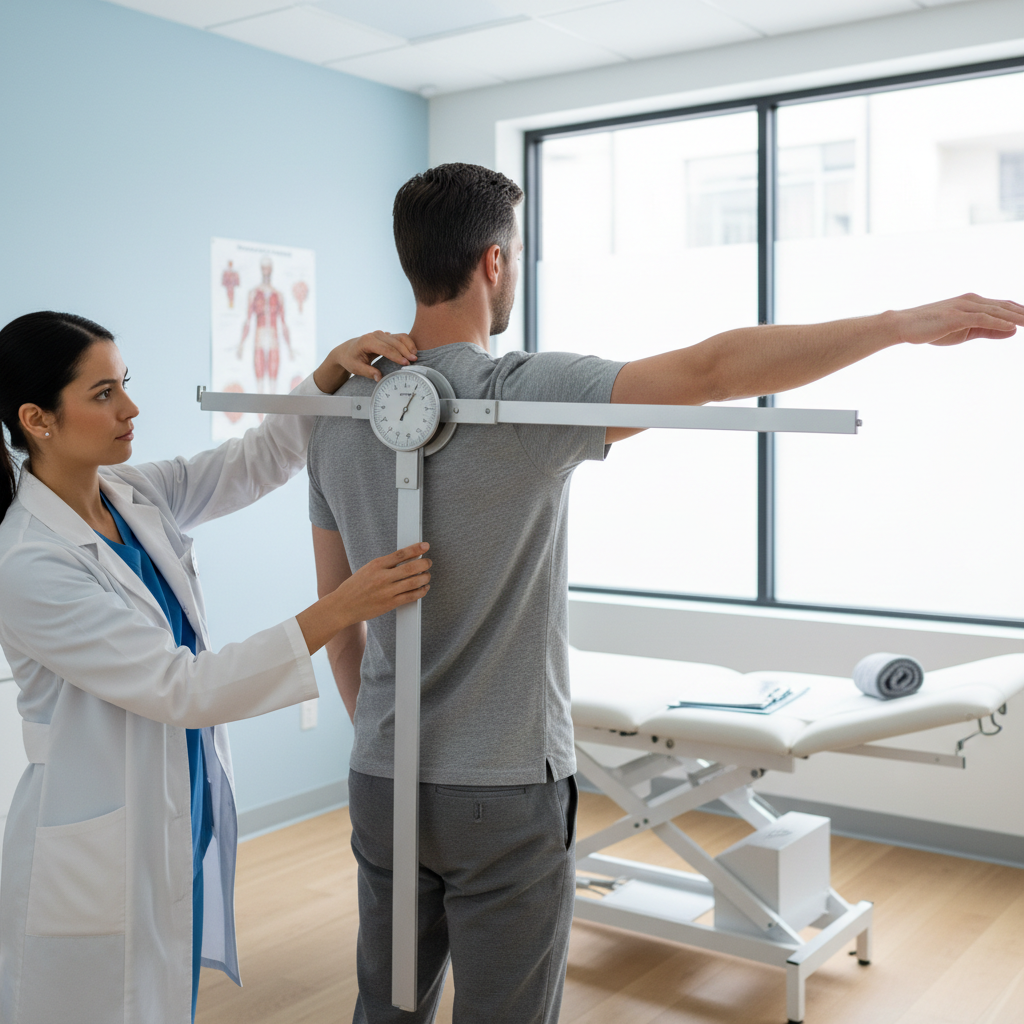
The biomedical model provides the objective, measurable data required to build a precise clinical roadmap. At Acumotion, this phase is the diagnostic foundation. Instead of relying solely on palpation or subjective feedback, we utilize the universal language of anatomy, biomechanics, and pathology to understand exactly what structure is compromised and why. This shared scientific framework allows us to communicate effectively with surgeons, physical therapists, and primary care physicians, ensuring that every member of a patient's care team is aligned on the diagnosis.
Our assessment process involves standardized orthopedic testing and range of motion measurements. We use goniometers to obtain exact degree measurements of joint mobility, allowing us to track progress with mathematical precision. Manual muscle testing (MMT) is equally vital. By isolating specific muscles, such as the supraspinatus in a shoulder injury or the gluteus medius in a case of hip instability, we can identify neurological inhibition or structural weakness. When a muscle fails to 'fire' during a resisted test, it indicates a breakdown in the communication between the nervous system and the musculoskeletal structure.
This rigorous biomedical approach ensures that our application of acupuncture is never guesswork. If a patient presents with sciatica, the integrated framework allows us to first use orthopedic exams to differentiate between a lumbar disc issue and piriformis syndrome. By localizing the pathology through precise diagnostics, we establish a baseline of physical evidence. This data then dictates where to intervene mechanically to restore proper movement patterns and joint tracking, ensuring that every needle placed has a specific anatomical objective.
The Traditional Perspective: Systems, Circulation, and Constitutional Balance
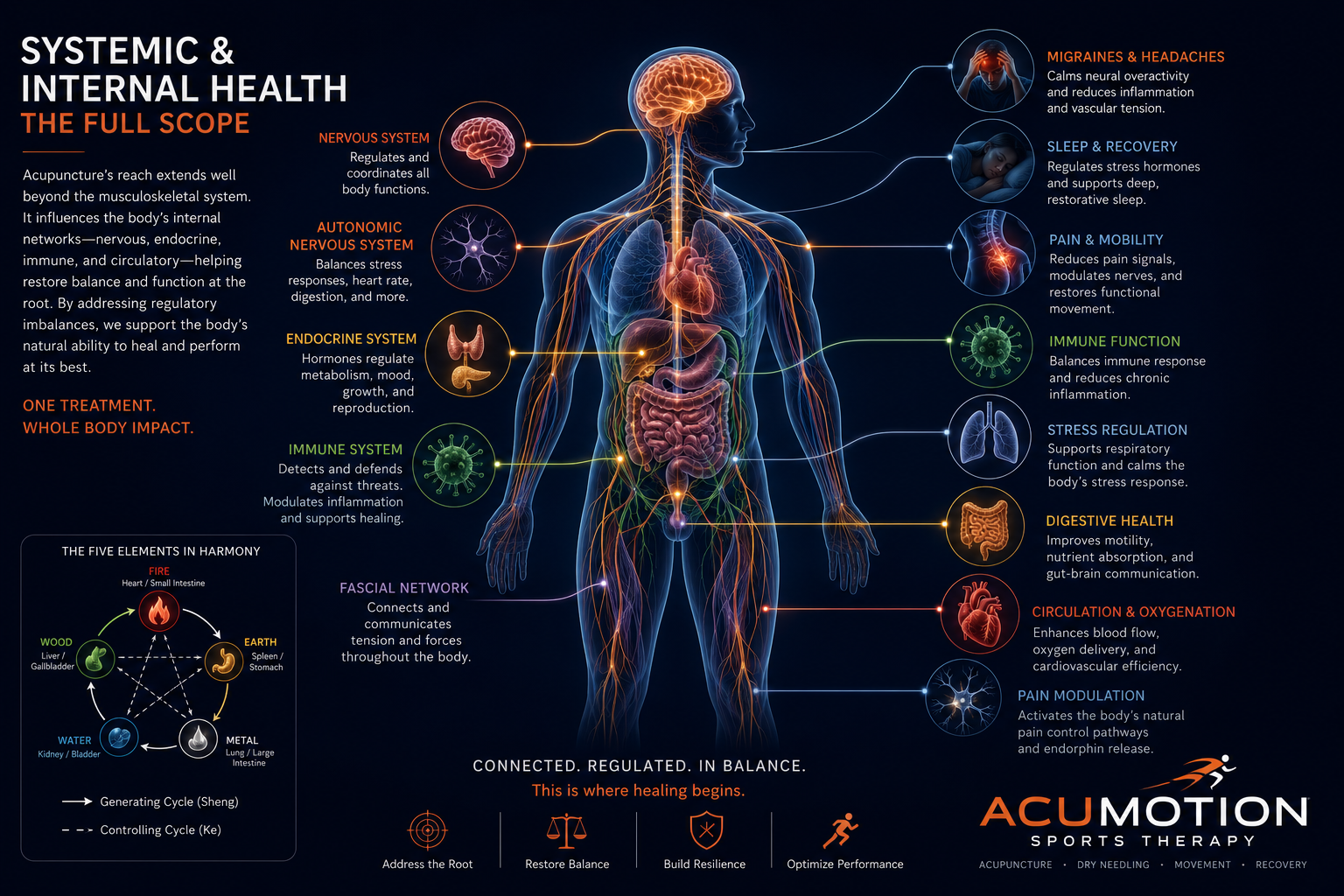
While the biomedical diagnostic foundation identifies the structural 'glitch,' the traditional lens evaluates the internal environment in which that injury exists. Classical Chinese medicine operates on a systemic level, viewing the human body as a series of interconnected circuits rather than a collection of isolated parts. In the context of sports recovery, we interpret the classic concepts of Qi and Blood through the modern understanding of microcirculation, tissue oxygenation, and metabolic waste removal. When we speak of moving stagnant Qi, we are practically discussing the restoration of hemodynamic flow to ischemic tissues, ensuring that the body's innate self-healing mechanisms have the oxygen and nutrients required to repair damaged fibers.
This perspective requires looking at the whole person rather than just a localized shoulder or knee. An athlete’s recovery speed is intrinsically tied to their constitutional balance, which includes sleep quality, systemic inflammation, and stress levels. If a patient is stuck in a state of sympathetic dominance, or "fight or flight," their body will prioritize immediate survival over tissue repair. By addressing these systemic factors, we ensure the body is actually capable of responding to the local mechanical treatments.
In the conversation about biomedical and traditional medicine, it is helpful to view biomedical science as the master of acute intervention and traditional medicine as the master of the long game. While orthopedic science excels at stabilizing a crisis or identifying a specific tear, traditional medicine excels at identifying the root cause of why that tissue became vulnerable in the first place. This comprehensive approach, including sports acupuncture in Northern Colorado, prevents the recurrence of injuries by balancing the underlying systems that support peak physical performance.
The Synergy: What Happens During a Combined Treatment Session
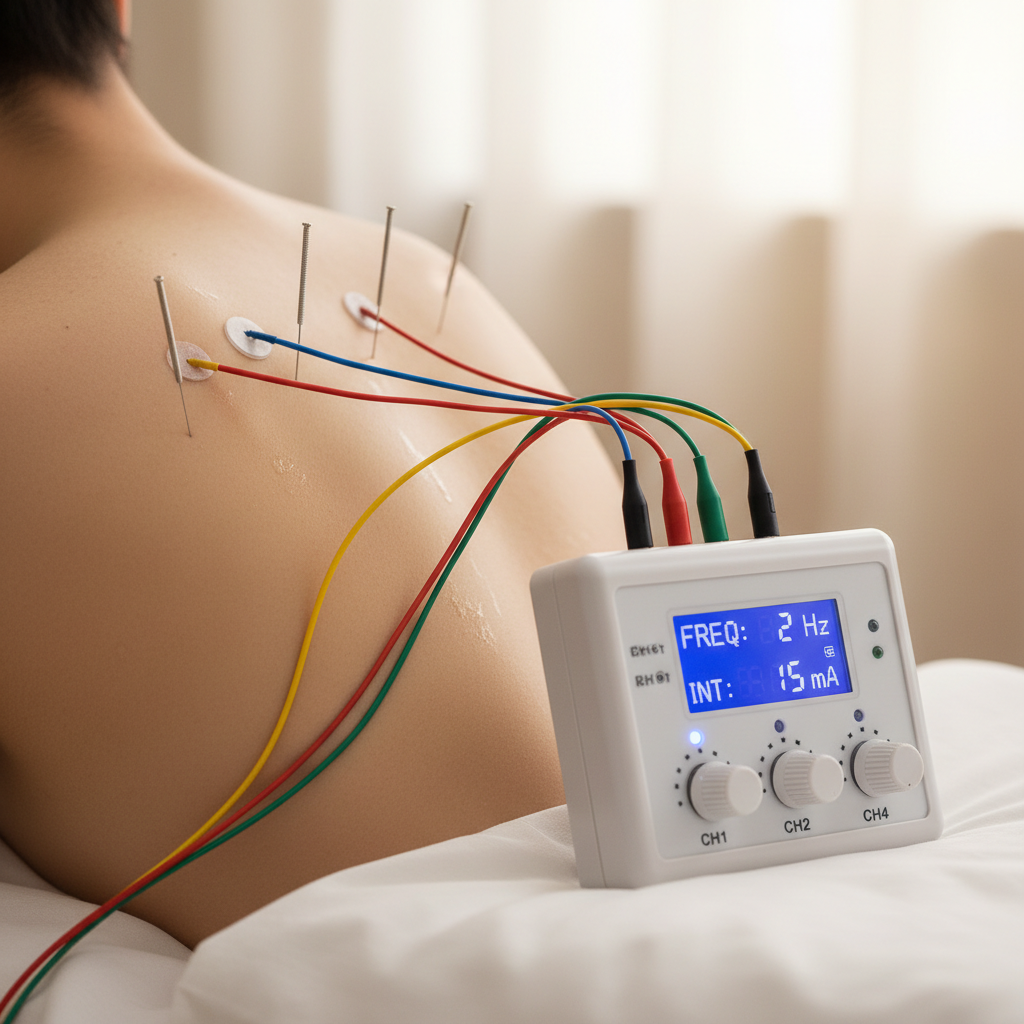
The clinical reality of integrative sports medicine is best observed when we treat complex, multi-layered conditions like sciatica. A typical session at Acumotion does not isolate one medical philosophy at the expense of the other. Instead, it seamlessly overlays a biomedical structural assessment with a traditional systemic treatment protocol. We begin by identifying specific biomechanical deficits. From there, we use acupuncture needles to address local trigger points within the gluteal muscles and paraspinal tissues. From a purely biomedical standpoint, this targeted dry needling mechanically releases taut muscle bands, reduces localized ischemia, and restores natural tissue pliability.
However, treating the local tissue in isolation is often incomplete. While the local needles address the mechanical glitch, we simultaneously employ distal acupuncture points to influence the body's broader internal environment. This is where the traditional system demonstrates its clinical value. Points located far from the site of pain, specifically on the hands and feet, are used to modulate the autonomic nervous system. This strategic placement reduces systemic inflammation, downregulates the body's stress response, and promotes blood flow to areas of healing. By addressing the entire circuit rather than just the local lesion, we shorten recovery timelines and prevent the frustrating cycle of chronic re-injury.
This dual-layered approach creates a synergistic effect that a single-modality clinic cannot replicate. A practitioner focusing solely on trigger point acupuncture might release the muscle spasm but fail to address the systemic circulatory stagnation that caused the tissue to seize initially. Conversely, a practitioner relying only on traditional theories of flow and balance might miss the precise anatomical lesion that demands direct mechanical intervention. At Acumotion, we refuse to choose. Our Windsor clinic utilizes the objective precision of orthopedic science alongside the systemic wisdom of classical medicine to produce outcomes that consistently outperform single-modality care.
The Science of Connection: Gate Control Theory and the Peripheral Nervous System
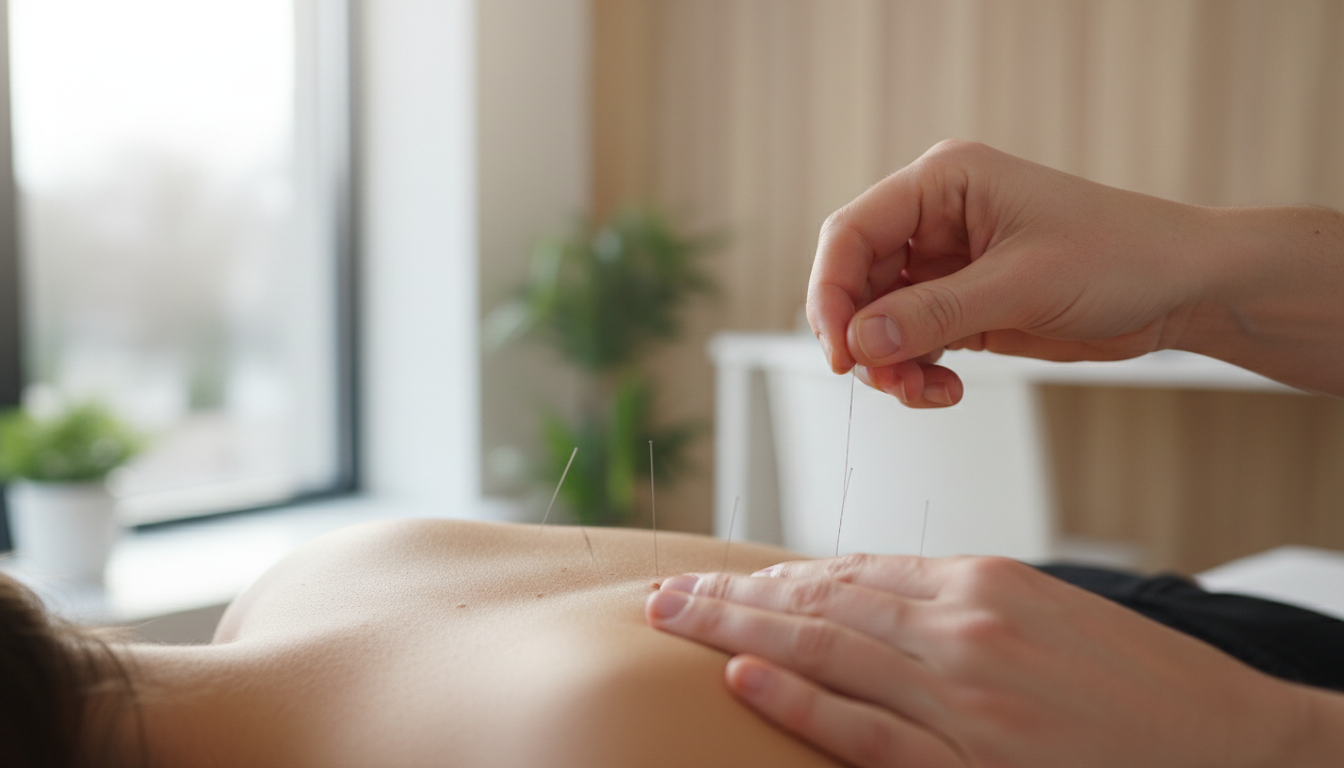
Gate Control Theory serves as the primary neurophysiological bridge between biomedical and traditional medicine. This theory explains how non-painful stimuli, such as the precise insertion of a needle, can override and block pain signals from reaching the brain. When we perform trigger point therapy or orthopedic needling, we stimulate large-diameter A-beta sensory nerve fibers. These fibers transmit signals much faster than the smaller C-fibers that carry chronic pain messages. By activating these faster pathways, we effectively crowd the dorsal horn of the spinal cord, closing the gate on pain before the central nervous system can process it.
At Acumotion, we amplify this effect through electroacupuncture, a modern refinement of traditional techniques. By applying a specific micro-current to the needles, we can continuously stimulate these nerve pathways at frequencies scientifically proven to release specific endogenous opioids. This represents the ultimate fusion of classical point selection with biomedical technology: using a traditional point location to deliver a precisely engineered neurochemical signal that reduces inflammation and promotes tissue regeneration.
Why Northern Colorado Athletes Benefit from an Integrated Approach
Living in Northern Colorado demands a level of physical resilience that generic healthcare models often fail to meet. Residents summiting Horsetooth Rock, cycling through the foothills, or hitting a CrossFit box in Timnath require more than a temporary pill for inflammation or a basic stretching routine. High performance recovery requires a strategy that acknowledges both the immediate mechanical failure and the long-term physiological environment.
Integrating biomedical and traditional medicine becomes practically urgent when a training injury occurs on a Saturday. Our clinic provides sports acupuncture in Northern Colorado that addresses these demands through an integrated lens. We recognize that an acute injury needs fast, evidence-based intervention to keep you on the trail or in the gym. This is why we offer dedicated Sunday recovery hours at our Windsor location. While these hours represent a clinical commitment to accessibility and convenience, the sessions themselves remain focused on the traditional principle of restorative care, treating the whole system and not just the acute complaint.
By combining trigger point acupuncture, orthopedic point selection, and systemic balancing, we ensure that Northern Colorado athletes aren't just masking pain. Instead, they are utilizing a sophisticated medical synthesis that supports the intense, active lifestyle our region is known for. This integrated approach recognizes that what is commonly called dry needling is trigger point acupuncture: a practice acupuncturists have refined for over 2,000 years. Orthopedic acupuncture builds on that lineage by applying modern biomechanical understanding to classical point locations, using precise needle placement to stimulate the nervous system, increase circulation, and restore range of motion. The channel system and the peripheral nervous system are not competing models. They describe the same interconnected body from different observational traditions. When applied together, the therapeutic effect is greater than either framework could achieve alone.
Frequently Asked Questions About Combining Biomedical and Traditional Care
Navigating integrative care often brings up practical questions regarding safety and efficacy. Here are the most common inquiries we address at our Windsor clinic to help you make informed decisions about your recovery.
Can I combine acupuncture with my current medications? Yes. Integrative care is inherently complementary. Acupuncture does not interfere with pharmaceutical protocols for pain management, blood pressure, or inflammation. In fact, patients often find that acupuncture allows them to reduce their reliance on certain medications over time, always under the guidance of their prescribing physician.
Is acupuncture a traditional or biomedical treatment? It is both. The classical Chinese medicine lineage and contemporary neuroanatomical research describe the same clinical reality from different observational traditions. Modern trigger point acupuncture, often called dry needling, is validated by evidence-based research while remaining firmly rooted in a 2,000-year history of treating myofascial pain. We view acupuncture as a sophisticated clinical tool that utilizes the body's nervous system to achieve measurable, structural results regardless of which label you choose.
How many sessions are typically required? Integration often leads to faster outcomes than isolated treatments. While a single session of trigger point acupuncture can offer immediate relief for acute spasms, resolving chronic biomechanical issues usually requires a series of 4 to 6 visits. Combining systemic traditional balancing with biomedical orthopedic techniques ensures that we address the injury and the underlying cause simultaneously, shortening your total time away from the gym or the trail.