Cupping therapy for muscle recovery functions by stimulating localized blood flow and facilitating fascial release to reduce persistent muscle tension. This technique effectively alleviates inflammation and accelerates the healing of muscle knots; providing a non-invasive way to improve mobility and decrease neuromuscular fatigue.
Waking up with persistent muscle stiffness often feels like an unavoidable tax on your training schedule. Whether you are managing a stubborn trigger point or recovering from high volume lifting, standard foam rolling can only penetrate so deep into the connective tissue. This is where cupping therapy offers a distinct physiological advantage by utilizing decompression rather than traditional compression. At Acumotion Sports Therapy, we view this modality as a vital tool for restoring fascial glide and accelerating metabolic waste clearance. In this guide, we will analyze the clinical science behind suction; we will explain why those distinctive marks are not actually bruises, and we will explore how targeted cupping protocols support recovery for everything from ACL rehabilitation to golf performance. By understanding the mechanics of negative pressure, you can move beyond surface level relief and optimize your structural health.
Why Cupping Is More Than a Trend for Elite Athletes
The 2016 Rio Olympics provided a global stage for a peculiar visual: Michael Phelps stepping onto the blocks covered in perfectly circular, dark purple marks. While these marks sparked widespread curiosity, they signaled a shift in how elite competitors manage physical output. Beyond the visual intrigue, the clinical reality of this treatment is rooted in advanced physiological recovery rather than mere aesthetics.
At its core, cupping therapy for muscle recovery is a decompression technique. It serves as the functional inverse of traditional massage. While massage relies on positive pressure, pushing into and compressing the tissue, cupping therapy utilizes negative pressure to pull the skin, fascia, and muscle layers upward and away from the body. This suction creates vital space between physiological layers, directly addressing myofascial pain and fascial dysfunction by mechanically lifting tissues that have become dense or adhered due to repetitive strain.
At Acumotion Sports Therapy in Windsor, we frequently see athletes from Loveland and Fort Collins utilizing this decompression to bridge the gap between high intensity training sessions. By incorporating these methods into a broader regimen of sports acupuncture in Northern Colorado, patients can effectively manage systemic inflammation and maintain tissue elasticity during demanding performance cycles.
The Science of Decompression: How Suction Impacts Fascia and Muscle Tissue
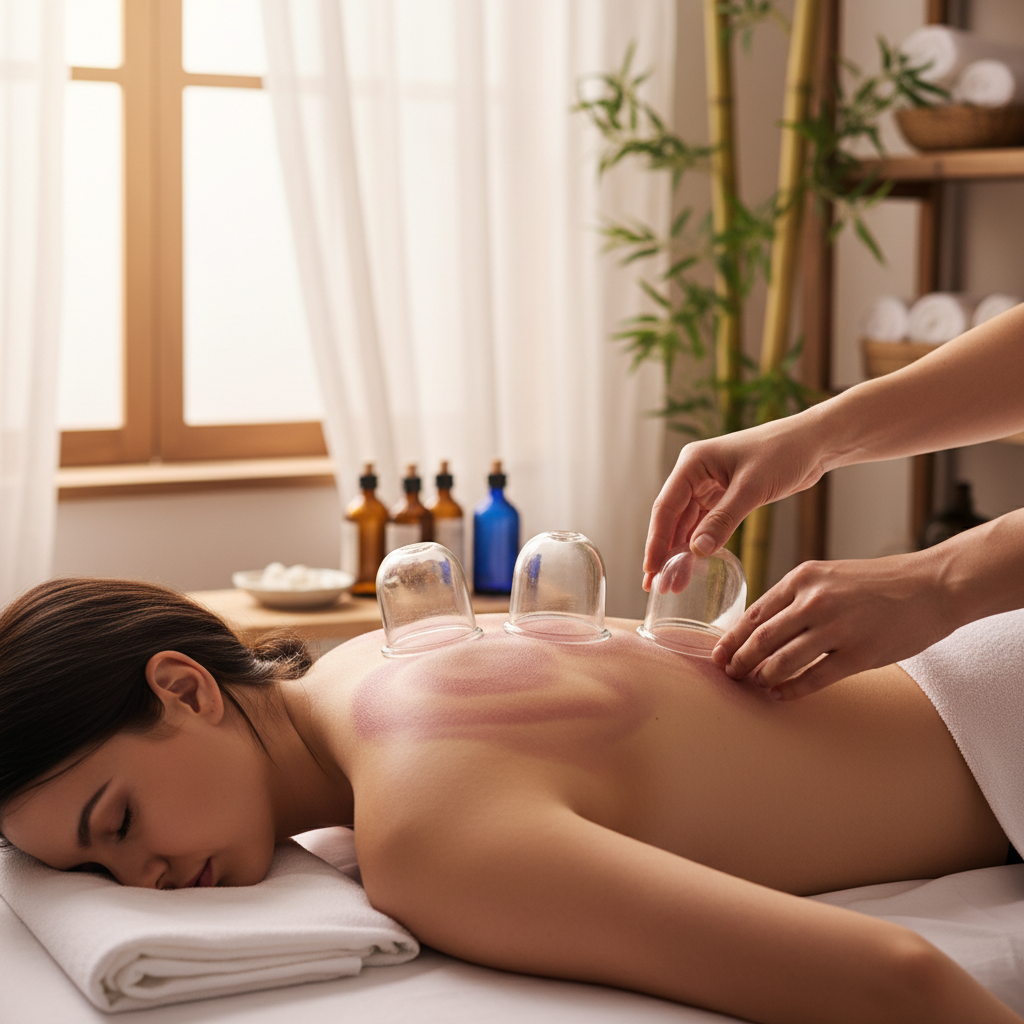
The mechanical action of cupping therapy functions through a process known as myofascial decompression. While most manual therapies apply downward force, suction creates an upward tensile stress that physically lifts the skin and subcutaneous tissue away from the underlying muscle. This separation is vital for addressing myofascial pain and fascial dysfunction, as it targets the specialized connective tissue known as fascia that envelopes every muscle fiber and organ. In a healthy state, these layers should slide easily; however, repetitive strain and intense athletic activity in Northern Colorado often lead to densification, a state where fascial layers become tacky or adhered.
By lifting these tissues, cupping promotes what clinicians call fascial glide. This restored mobility allows muscles to move against one another with minimal friction, reducing the sensation of stiffness that follows heavy training sessions. The decompression also creates a vacuum effect within the interstitial space, which significantly enhances microcirculation. As blood flow increases to these formerly compressed areas, it brings oxygen and nutrients necessary for cellular repair while simultaneously stimulating lymphatic drainage.
For the active population in Windsor and Fort Collins, this physiological shift is critical for recovery. The lymphatic system lacks a central pump, relying instead on movement and pressure changes to transport metabolic waste away from muscle tissue. By mechanically creating space, cupping facilitates the removal of inflammatory byproducts that contribute to delayed onset muscle soreness (DOMS). This process does not just address the physical structures; it also triggers neurophysiological effects that reduce hypersensitivity and promote the release of endorphins. This multi-layered impact ensures that the tissue is not only more mobile but also less reactive to the stressors of continued performance.
Does Cupping Actually Work for Muscle Recovery? What the Research Says
The question of efficacy is often debated in mainstream medical circles, yet clinical research provides compelling data for those seeking enhanced performance. A notable study published in PMC (8280458) investigated the effects of suction on neuromuscular fatigue in the biceps brachii. The findings were significant; researchers observed a measurable decrease in fatigue markers both immediately and 24 hours after treatment compared to control groups. By using surface EMG to track muscle activity, the study demonstrated that cupping therapy for muscle recovery effectively accelerates the return to baseline function by increasing blood flow to large muscle groups.
This surge in circulation does more than just move fluid; it facilitates the delivery of repair-oriented nutrients to micro-tears in the muscle fibers. While publications like Harvard Health suggest that broader, large-scale clinical trials are still needed to reach a global consensus, the physiological mechanisms observed in peer-reviewed studies align with the results seen in high-level clinical settings. At Acumotion Sports Therapy, Dr. Geno Diveley integrates these scientific findings with over 30 years of experience treating athletes in Windsor and Loveland.
In practice, this evidence translates to shorter downtime between training sessions. When combined with trigger point therapy, cupping addresses the functional limitations that lead to premature fatigue. For patients receiving sports acupuncture in Northern Colorado, the inclusion of cupping provides an empirical advantage that addresses both the subjective sensation of soreness and the objective reality of muscle exhaustion. This dual approach ensures that recovery is not just perceived but physiologically supported through improved tissue oxygenation and metabolic clearance.
Addressing the Marks: Why They Aren't Actually Bruises

The circular discolorations left behind are the most common source of confusion for those new to this modality. Clinical practitioners refer to these marks as ecchymosis, but they differ significantly from a bruise caused by blunt force trauma. In a traditional bruise, capillaries are crushed, leading to local tissue damage. In contrast, cupping therapy for muscle recovery uses negative pressure to draw deoxygenated blood, cellular debris, and metabolic waste from deep within the muscle tissue toward the surface.
These color variations serve as a diagnostic map for tissue health. A light pink or red indicates healthy circulation, while deep purple or dark marks often signify significant stagnation or chronic lack of blood flow in that specific area. When patients ask, "Does cupping hurt?", it is important to distinguish between discomfort and injury. The sensation is characterized by a tight pulling or a localized feeling of pressure rather than sharp pain. This reflects the mechanical lifting of the fascia as it separates from the muscle.
Once the cups are removed, these marks are temporary. Most discolorations fade within three to seven days as the lymphatic system processes the released metabolic byproducts. During this time, the body is actively recycling the stagnant blood that was pulled to the surface, which is a key component of the cupping therapy healing response. Patients in Northern Colorado generally find that any residual skin sensitivity disappears long before the marks fully fade, allowing them to return to their training schedules with improved mobility.
Using Cupping Therapy for Muscle Knots and Trigger Points
As the lymphatic system processes the metabolic waste indicated by these marks, the underlying tissue undergoes a vital shift in tension. We frequently utilize cupping therapy muscle knots protocols to resolve myofascial trigger points, which are essentially hyperirritable spots within a taut band of muscle. These knots are often ischemic, meaning they suffer from restricted blood flow and a lack of oxygen. The suction creates a vacuum that pulls these tightly bound fibers apart, creating the necessary physical space for fresh, oxygenated blood to saturate the area and neutralize the acidic environment of the trigger point.
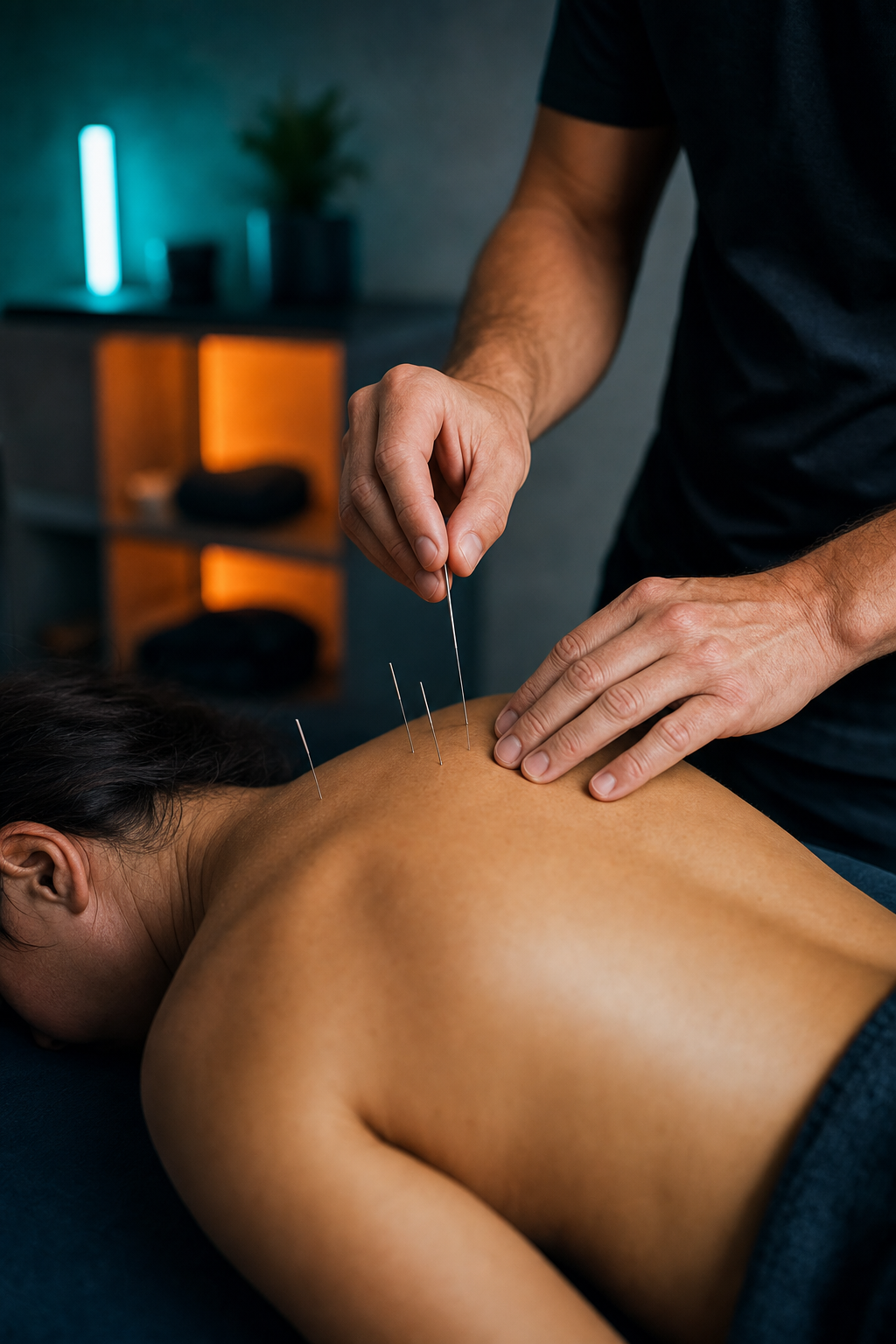
This mechanical decompression provides a unique synergy with myofascial release, particularly for chronic neck, back, and hip pain. While traditional manual therapy works from the top down, cupping works from the inside out to lift the tissue. At Acumotion Sports Therapy, this is rarely a standalone treatment. Instead, we integrate cupping therapy with trigger point therapy and dry needling to create a multi-layered intervention. By combining these modalities, Dr. Geno Diveley can address superficial fascial restrictions with suction while simultaneously using sports acupuncture in Northern Colorado to reset motor points. This comprehensive strategy is essential for treating myofascial pain and fascial dysfunction in athletes who require precise, functional recovery.
Sports Specific Applications: From ACL Recovery to Golf Performance

The clinical application of these techniques varies significantly based on the sport or injury profile. For patients navigating ACL recovery, cupping serves as a non-invasive tool to manage post-surgical scar tissue. By lifting the dermis and underlying fascia around the surgical site, we prevent adhesions that often limit knee flexion and extension. This mechanical decompression allows for a smoother transition back to full weight-bearing activities and physical therapy exercises.
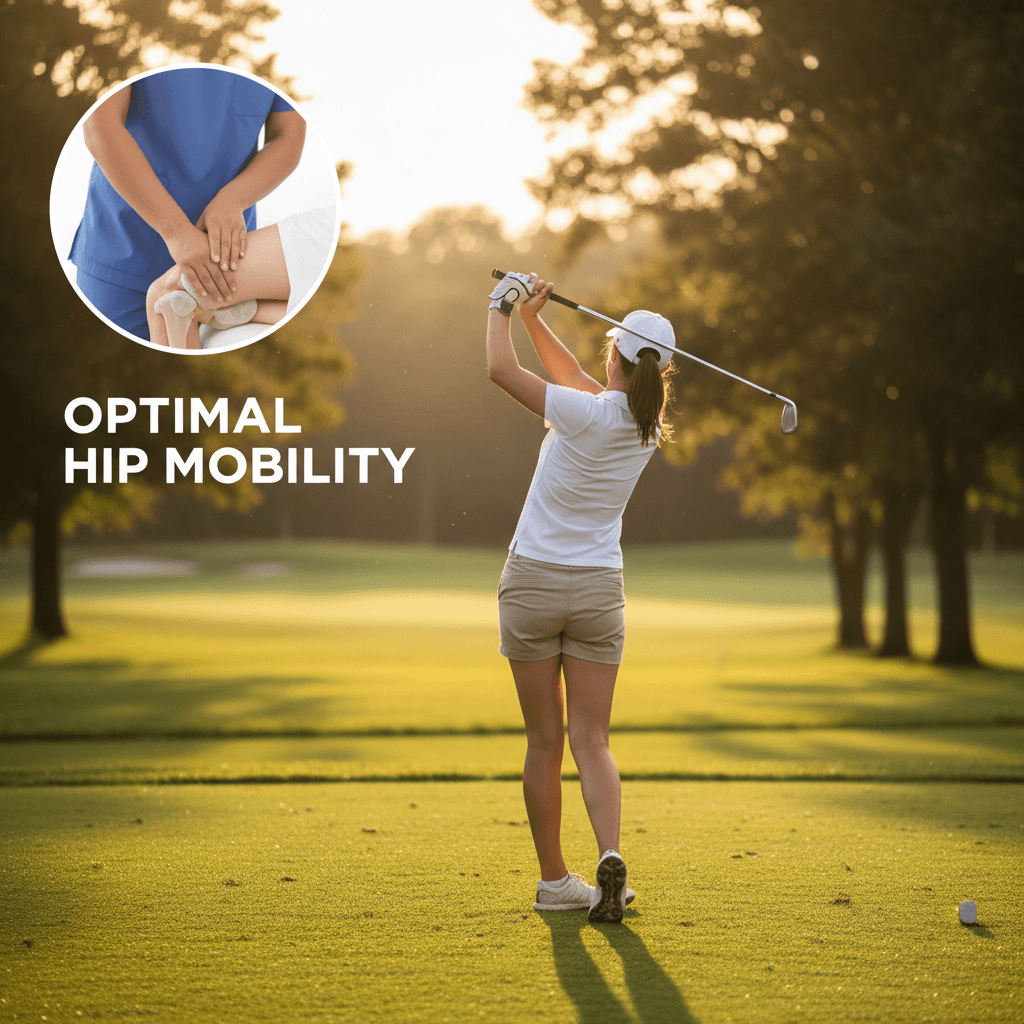
In Windsor and Timnath, golfers frequently utilize cupping therapy to address specific restrictions in thoracic spine mobility and shoulder rotation. A rigid mid-back is the primary enemy of a consistent swing; suction helps decompress the paraspinal muscles and the rotator cuff, allowing for a fuller, pain-free turn. This targeted approach helps maintain the necessary range of motion to prevent compensatory injuries in the lower back and elbows.
While often associated with professional competitors, cupping therapy for muscle recovery is equally effective for the active Northern Colorado adult. From managing repetitive strain caused by weekend hiking to treating acute injuries sustained in local recreational leagues, this modality provides essential physiological support. When paired with sports acupuncture in Northern Colorado, it ensures that residents in Loveland and Johnstown can maintain high activity levels without being sidelined by cumulative tissue tension.
What to Expect and Post-Treatment Care: What Not to Do
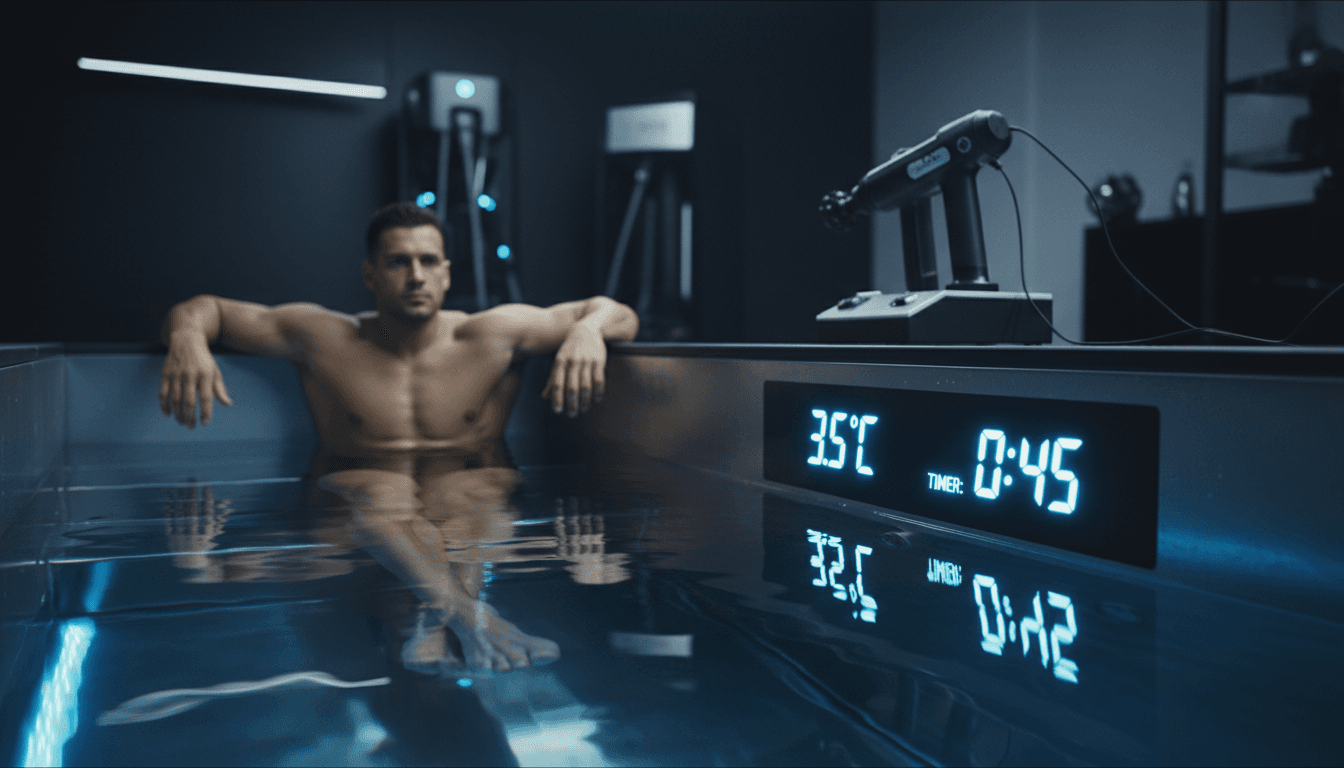
Effective recovery continues long after you leave the clinic in Windsor. To maximize the benefits of cupping therapy for muscle recovery, specific post-treatment protocols are essential. Primarily, you should avoid exposing the treated areas to extreme cold, such as ice baths, cold plunges, or air conditioning directly on the skin, for at least 24 hours. The suction process promotes vasodilation and increased blood flow; sudden cold triggers vasoconstriction, which can lead to muscle cramping and negate the circulatory benefits.
Patients should also refrain from vigorous exercise for the first 24 hours following a session. Your body is actively processing an inflammatory response as it clears the metabolic waste and deoxygenated blood drawn to the surface. It is normal to experience a "side effect day after" sensation, including mild fatigue or local soreness similar to the feeling after a heavy training session. Increasing water intake is vital during this window to support the lymphatic system in flushing these byproducts.
For active adults in Fort Collins and Loveland, scheduling frequency depends on the current training load. Athletes in peak performance phases often benefit from cupping therapy every two weeks to manage cumulative tension. For those focused on general maintenance or recovering from sports acupuncture in Northern Colorado sessions, a monthly appointment is typically sufficient to maintain fascial glide and prevent new adhesions from forming.