Most people picture acupuncture as lying still on a table for stress relief. Sports acupuncture is the opposite — it is active, performance-driven medicine built to fix how your body moves, heals, and exerts power. By combining traditional Eastern medicine with Western orthopedics, it treats injuries through two distinct lenses: one that resets your nervous system, and one that repairs damaged tissue at the source.
For the dedicated athlete, nothing is more frustrating than a nagging injury that lingers despite consistent rest and traditional physical therapy. You may feel that your muscles are stuck in a cycle of chronic tension or that your movement patterns lack the explosive efficiency they once had. This plateau often occurs because the neurological connection between your brain and your muscles has been disrupted. Sports acupuncture offers a sophisticated solution by blending orthopedic assessment with targeted clinical intervention. In this article, we break down our comprehensive Two Lens Approach to recovery and performance. We will examine how motor point therapy restores neuromuscular function, the way myofascial release stimulates local tissue repair, and how modern electroacupuncture accelerates these biological processes. Understanding these mechanisms is the first step toward moving without limitation.
Defining Sports Acupuncture: Beyond the Basics
At its core, understanding what is sports acupuncture requires looking past the general perception of wellness treatments. While traditional acupuncture often targets systemic issues like sleep or stress, sports acupuncture is a specialized, integrative discipline. It merges the foundational principles of traditional Chinese medicine with rigorous modern orthopedic assessment, functional movement screening, and biomechanical analysis.
Instead of simply balancing energy, we analyze specific injury pathology. We look at how a joint is tracking, which muscles are inhibited, and where fascial adhesions are limiting power. Dr. Geno Diveley, L.Ac., DACM, applies over 30 years of clinical experience at Acumotion Sports Therapy to provide sports acupuncture in Northern Colorado that goes beyond symptomatic relief. This clinical depth allows us to treat complex conditions like chronic sciatica or rotator cuff tears by addressing the root cause of movement dysfunction rather than just the site of pain.
To achieve these results, we utilize a Two Lens framework. The first lens focuses on the nervous system and neuromuscular function, essentially rebooting how nerves communicate with muscles to restore proper firing patterns. The second lens focuses on physical tissue repair, addressing the actual structural damage, oxygenation, and stagnation within the muscle and fascia. By looking through both lenses simultaneously, we can restore immediate performance while facilitating long term biological healing.
The First Lens: Neuromuscular Function and Motor Point Therapy
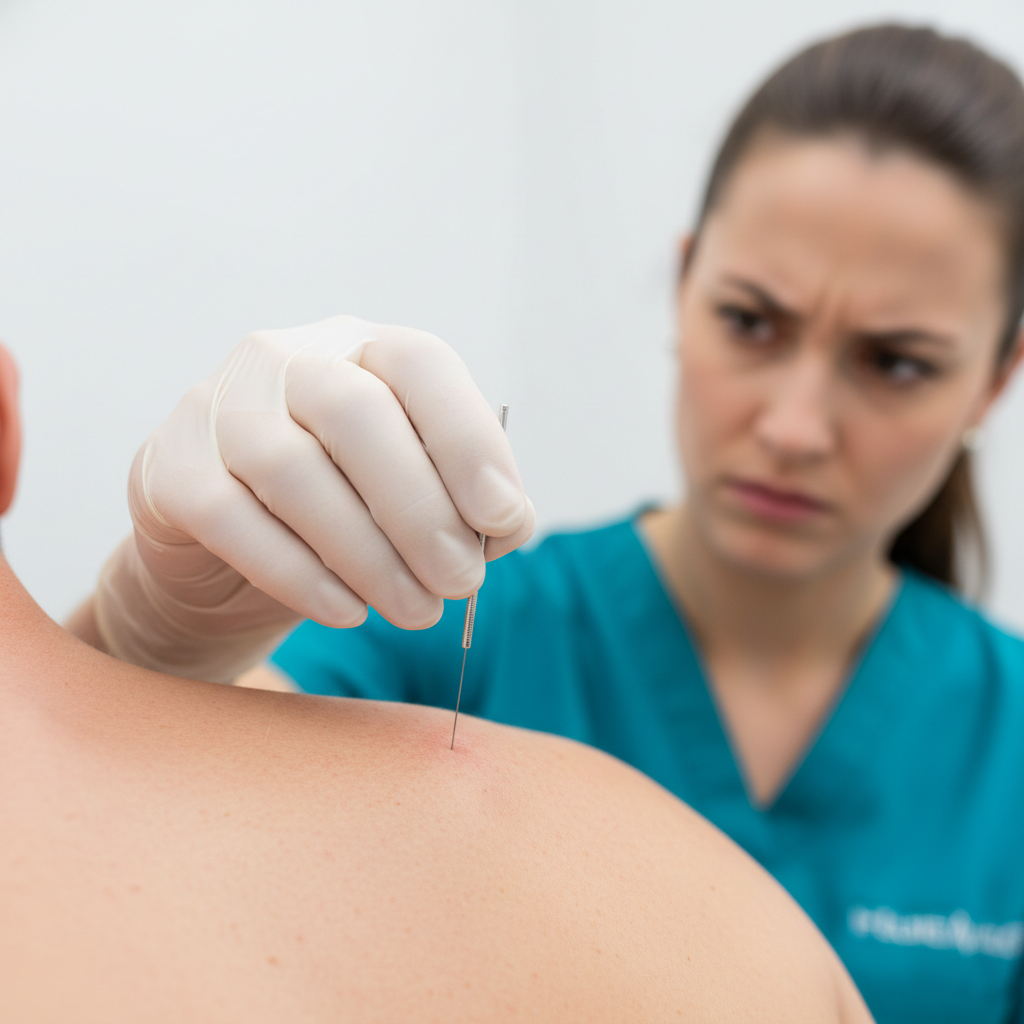
The first lens through which we view athletic recovery is the neurological one. To understand what is sports acupuncture in a clinical sense, one must understand the motor point. This is the specific anatomical site where a motor nerve enters the muscle fiber. It is the muscle’s most electrically charged region. When an athlete suffers an injury or develops a chronic postural imbalance, the nervous system often creates a protective but dysfunctional state. The muscle becomes either hypertonic, meaning it is stuck in a state of constant tension, or inhibited, meaning it is neurologically weakened and failing to fire during movement.
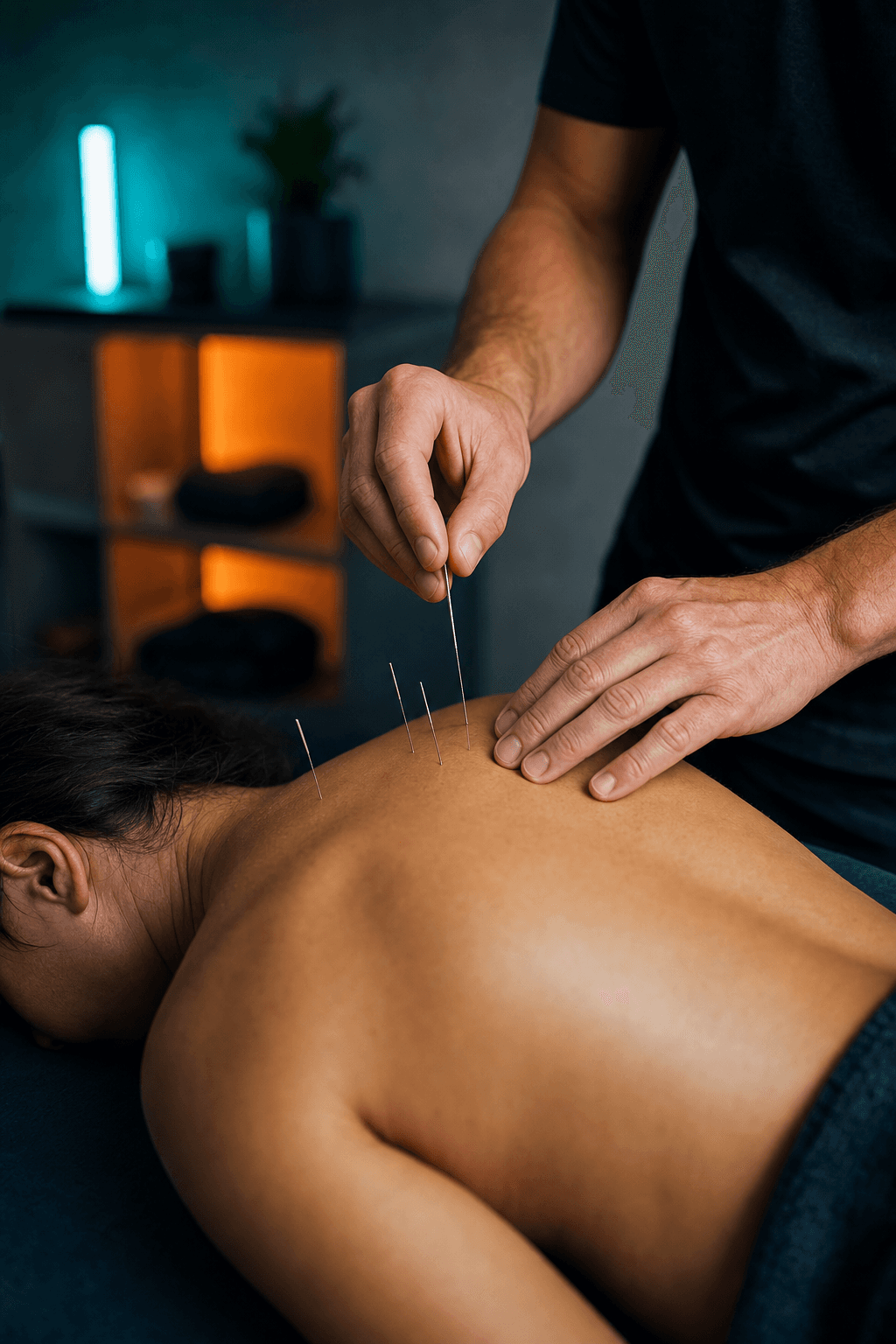
At Acumotion, we use orthopedic acupuncture and dry needling to target these specific motor points. By inserting a needle into this high-conductivity zone, we provide a mechanical and electrical stimulus that effectively reboots the neuromuscular communication. Think of it as a hard reset for a computer that has frozen. This is not the same as general acupuncture designed for systemic relaxation; it is a targeted intervention intended to change muscle tone instantly. When the motor point is stimulated, the muscle often performs a brief twitch response, discharging the pent-up tension and returning to a neutral, functional state.
This neurological reset is particularly effective for complex conditions like sciatica or chronic back pain. In many cases of sciatica, the gluteal muscles are inhibited while the deep rotators are hypertonic, creating a cycle of nerve compression and pelvic instability. By resetting the motor points of the hip and lower back, we restore the proper firing patterns required for stability. This leads to immediate, measurable changes in muscle strength and range of motion that patients can often feel before they even leave the treatment table. For those seeking sports acupuncture in Northern Colorado, this focus on neuromuscular function is what differentiates a clinical sports treatment from a standard session.
The Second Lens: Local Tissue Repair and Myofascial Release
While the first lens addresses the nervous system, the second lens focuses on the physical structure of the tissue. In cases of chronic pain, the tissue itself has often become degraded, ischemic, or fibrotic. This is where we look at the localized environment of the injury. When a needle is inserted during a session of orthopedic acupuncture and dry needling, it creates a precise micro-trauma. This controlled stimulus alerts the body to a specific site of dysfunction, initiating a localized healing cascade.
The primary benefit of this micro-trauma is the immediate increase in local blood flow. For stagnant areas, such as those suffering from tendinopathy or chronic knee pain, this influx of fresh oxygen and nutrients is vital. It helps flush out metabolic waste and inflammatory markers that have pooled in the tissue over time. This physiological response is a key component of what is sports acupuncture; it is not just about moving energy, but about tangible biological repair.
Furthermore, this lens focuses on myofascial release. Fascia is the connective tissue that surrounds every muscle fiber and organ. Over time, injury or repetitive strain can cause this fascia to become sticky, creating adhesions that restrict movement and cause pain. Needling can mechanically break up these adhesions and restore normal fascial glide. At Acumotion in Windsor, this approach is essential for treating shoulder injuries and hip pain where tissue quality has deteriorated. By combining targeted trigger point therapy with fascial release, we ensure that the physical structure of the muscle is as healthy as the nerve signals driving it. This comprehensive sports acupuncture in Northern Colorado ensures that recovery is rooted in physical restoration.
Motor Points vs Trigger Points: Understanding the Difference
A common question arises when discussing what is sports acupuncture: how does this differ from standard dry needling? The answer lies in the distinction between motor points and trigger points. A trigger point is a localized, taut band of muscle fibers, commonly known as a knot, that produces pain and often refers that sensation to other areas of the body. In contrast, a motor point is the neurological on/off switch where the motor nerve connects to the muscle. While a trigger point represents a physical consequence of strain, the motor point represents the neurological command center.
At Acumotion, we utilize a comprehensive strategy that addresses both. Relying solely on targeted trigger point therapy may provide temporary relief by loosening a knot, but the muscle may soon tighten again if the underlying neurological signal remains dysfunctional. By integrating orthopedic acupuncture and dry needling to reset the motor point, we address the root cause of why the muscle was firing incorrectly in the first place. This dual approach is a hallmark of sports acupuncture in Northern Colorado. It ensures we are not just chasing symptoms, but are fundamentally changing how the muscle behaves, providing a level of precision that generic dry needling often lacks.
Modern Tech for Modern Athletes: The Role of Electroacupuncture
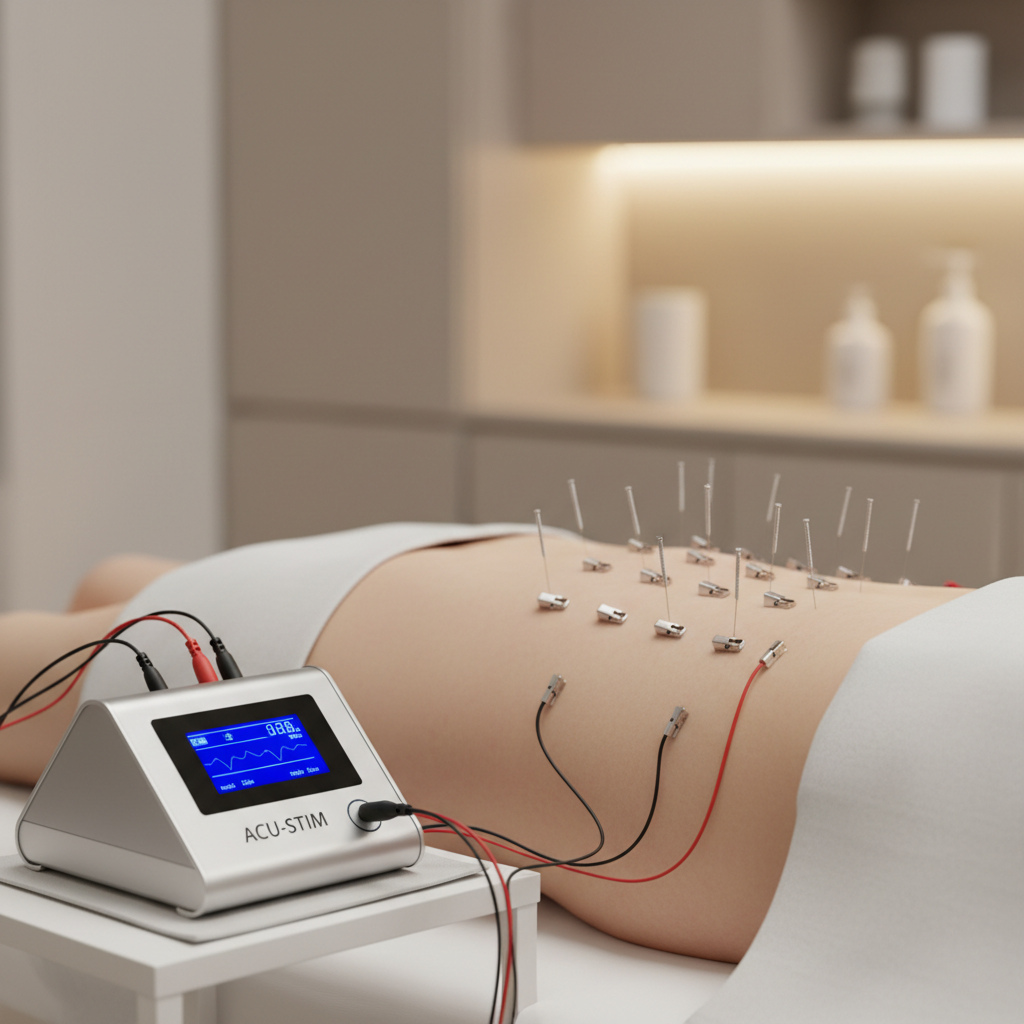
Electroacupuncture (EA) elevates orthopedic acupuncture and dry needling by adding a layer of consistent, measurable neurological input. By attaching small electrode clips to the needles, we deliver a gentle, low frequency electrical current directly to the affected motor points or zones of tissue stagnation. This continuous stimulation is far more precise than manual manipulation; it mimics the body’s endogenous electrical signals to accelerate cellular repair and modulate pain signals in the spinal cord more effectively than needles alone.
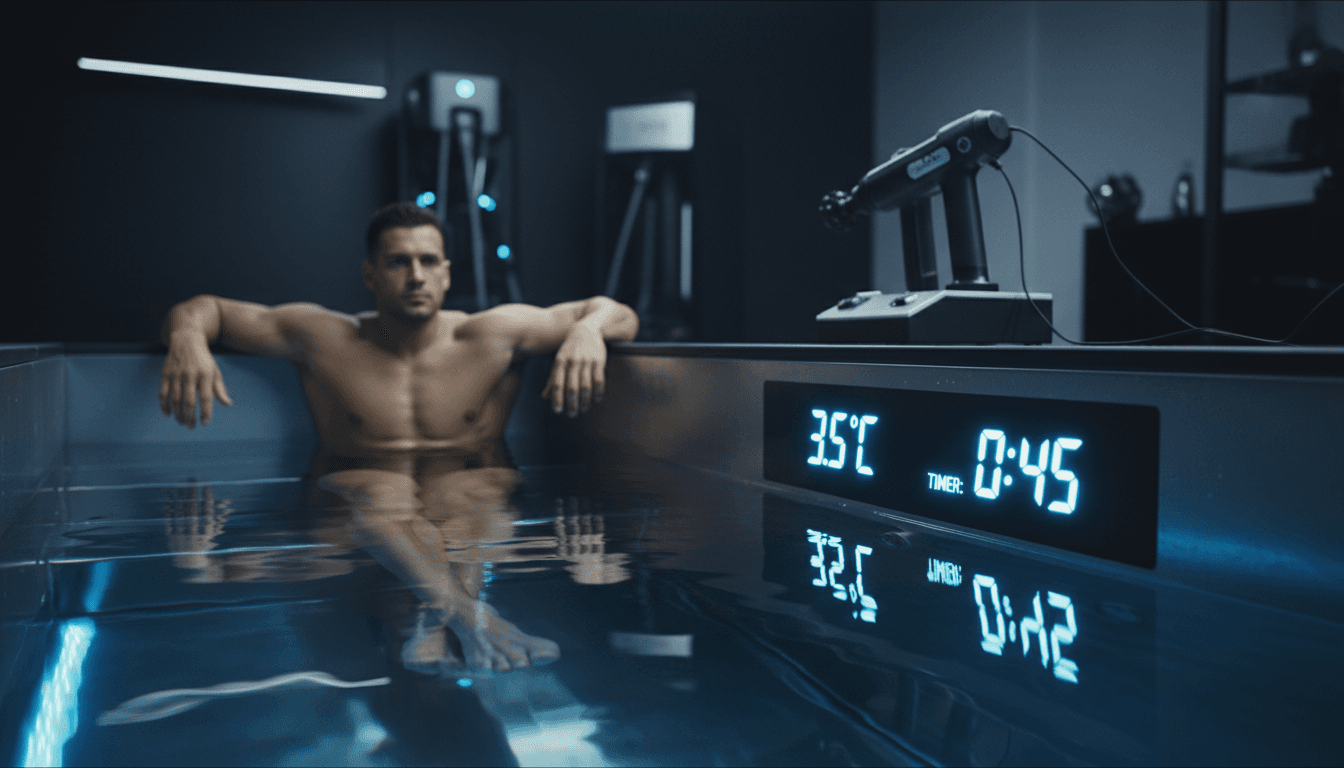
For many athletes in Loveland and Fort Collins, the primary goal is reducing the down time between high intensity training sessions or weekend competitions. Manual needling initiates the healing process, but EA provides the sustained intensity required for faster recovery timelines. This technological integration is a core component of what is sports acupuncture at our clinic, moving beyond traditional methods to meet the physiological demands of modern sport. By utilizing these advanced frequencies, we can more effectively address deep seated muscle inhibition and chronic inflammation that targeted trigger point therapy alone might not fully resolve. This ensures that sports acupuncture in Northern Colorado serves as a bridge between acute injury management and peak performance optimization.
Who Benefits from the Two Lens Approach?

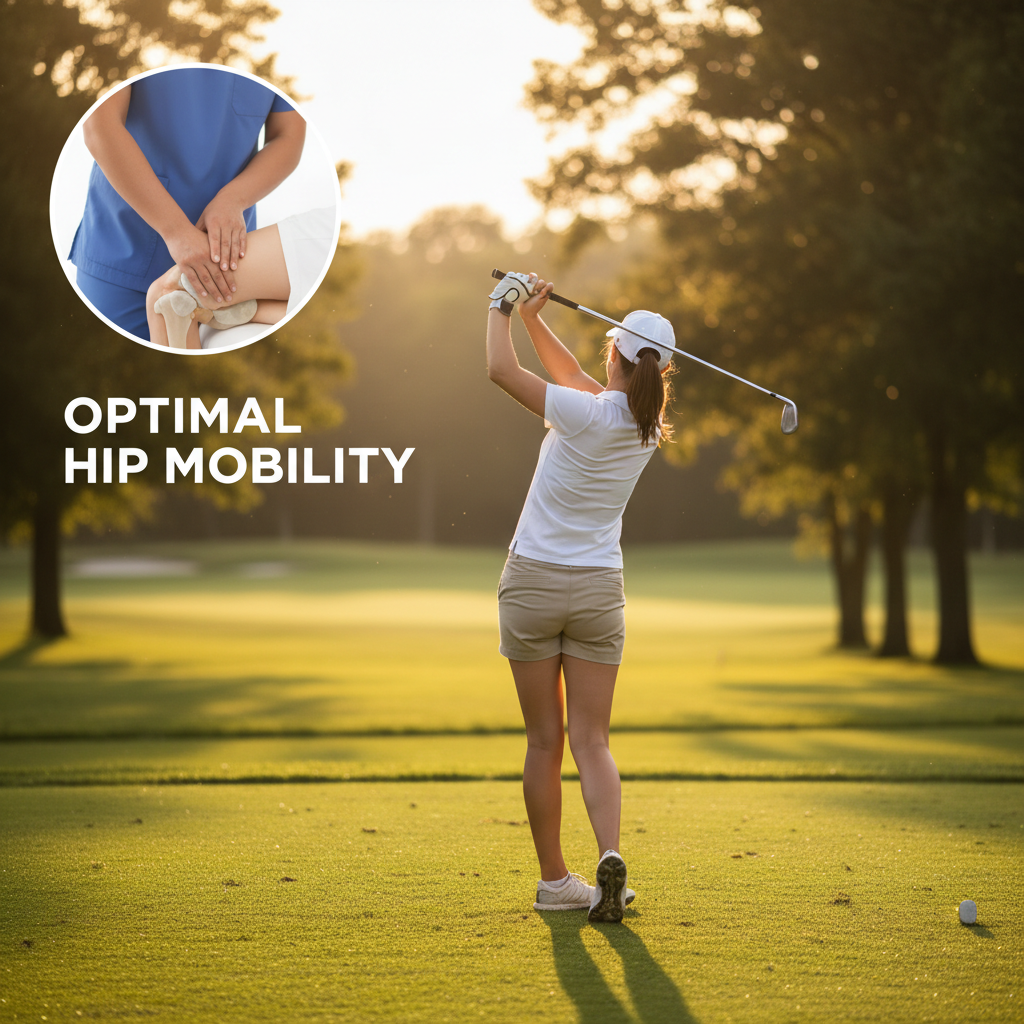
While high performance athletes use these techniques to shave seconds off their time, the reality of what is sports acupuncture extends to anyone navigating the physical demands of daily life. Desk warriors suffering from postural neck pain and migraines benefit just as much as retirees seeking to maintain mobility in their hips. The two lens approach is uniquely suited for the rotational complexity of sports like golf. Golf performance therapy requires the neurological precision of motor point therapy to ensure proper sequencing during a swing, while simultaneously utilizing fascial release to address the micro-trauma caused by thousands of repetitive reps.
Acumotion Sports Therapy provides this level of sports acupuncture in Northern Colorado for a wide range of conditions:
Acute sports injuries such as sprains and muscle tears.
Chronic hip pain and radiating sciatica.
Persistent neck pain and tension-based migraines.
Repetitive motion injuries resulting from workplace ergonomics.
This comprehensive methodology ensures that even if you are not on a professional roster, your recovery is managed with elite level expertise. Because sudden flare-ups often occur during weekend hikes, rounds of golf, or local tournaments, we offer dedicated Sunday recovery hours. This specific availability ensures that patients in Windsor and Loveland can receive orthopedic acupuncture and dry needling and targeted trigger point therapy precisely when the body needs it most, preventing a minor weekend strain from becoming a chronic setback.
Sports acupuncture does not just chase symptoms. By combining full-body movement resets with fast tissue repair, you get treatment that handles your current pain while fixing the root cause so it stays gone. Book a session at our Windsor clinic and see how this approach changes your recovery.