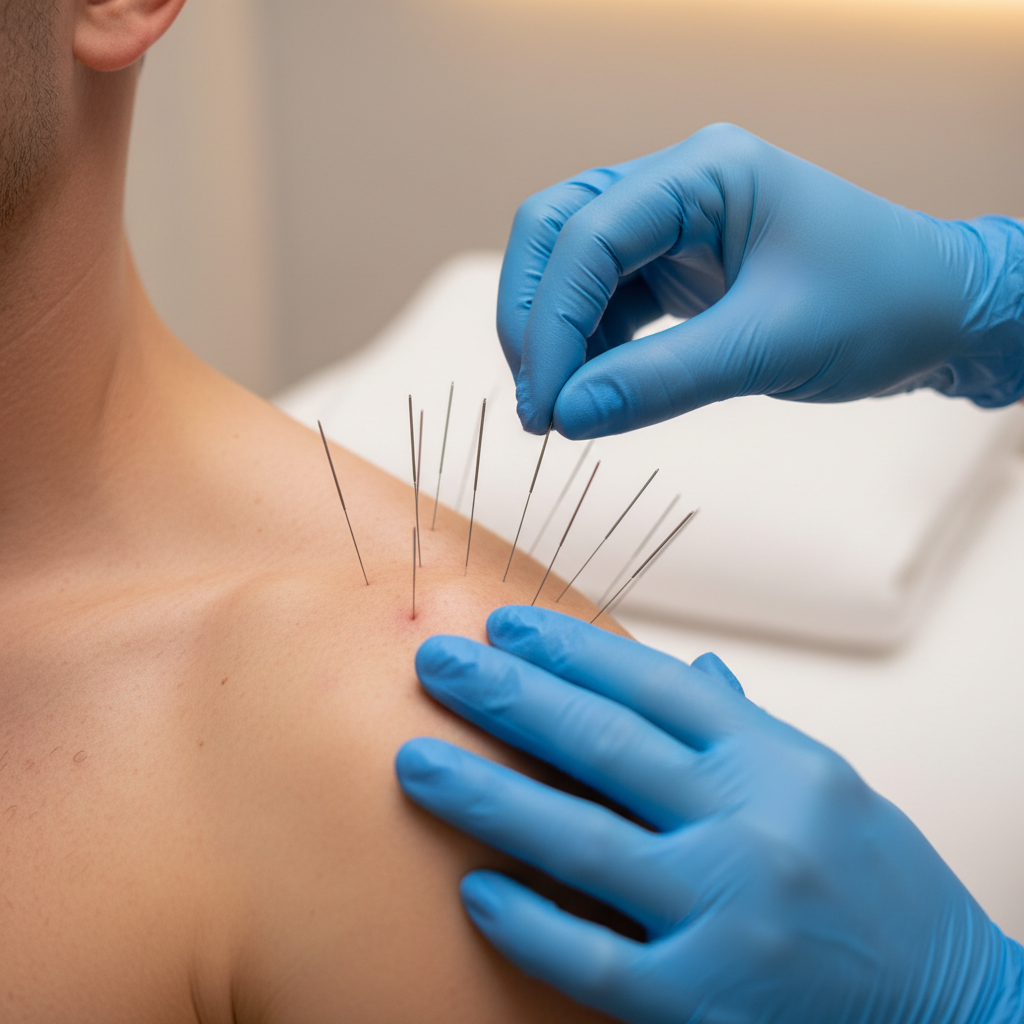
Dry needling and acupuncture are often presented as completely different treatments. Dry needling is described as modern and anatomical, while acupuncture is described as traditional and based on channels. But that comparison focuses on terminology instead of what actually happens during treatment. When you compare the instrument, the anatomical targets, the needling techniques, the tissue responses, and the treatment goals, dry needling clearly fits within the much broader practice of acupuncture.
Persistent muscle knots and chronic tightness can feel like an unsolvable puzzle for athletes and active individuals. When you seek relief, you might find yourself caught between two seemingly competing recommendations: dry needling and acupuncture. Both use the same fine filiform needle, and both aim to reduce pain and restore movement. Understanding how these two relate is important, because the label on a treatment can obscure a simple truth: dry needling is not a separate system, but a limited slice of acupuncture restated in modern anatomical language. In this guide, we will walk through the shared clinical characteristics, the historical origins of trigger point therapy, and why choosing a practitioner with full acupuncture training gives you the most complete treatment available.
The Common Confusion: Same Tool, Different Labels
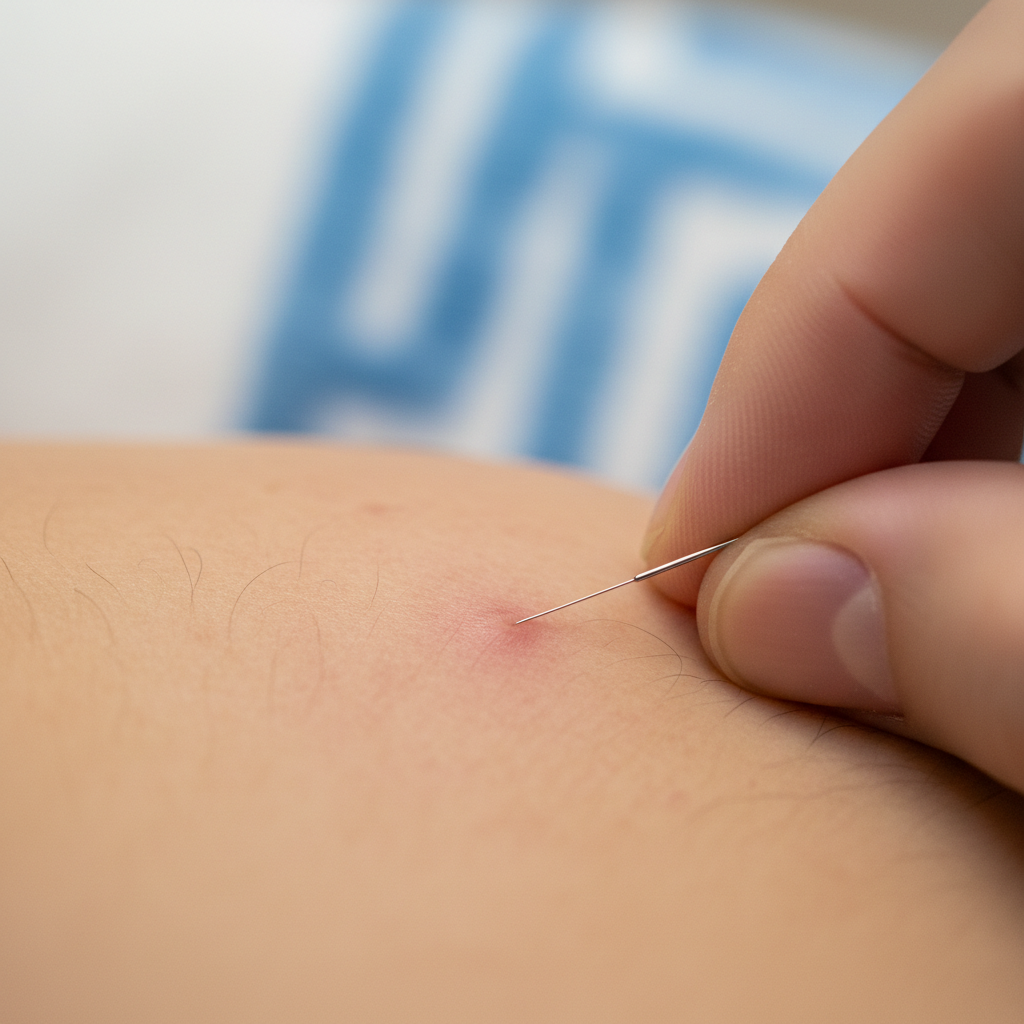
Patients searching for pain relief in Northern Colorado often encounter two terms that seem interchangeable yet are frequently debated: dry needling and acupuncture. The confusion usually begins the moment the practitioner reaches for the needle tray. To answer the most common question: yes, both practices use the same solid, filiform, stainless steel needle. The physical tool is exactly the same because dry needling is a specialized portion of acupuncture, not a separate procedure. The real difference is how much of acupuncture's full toolkit a practitioner chooses to use.
Think of dry needling as a narrow lens within a much larger acupuncture system. It is a localized approach used to release specific muscle knots through trigger point stimulation, while full acupuncture adds distal and systemic strategies on top of that same foundation.
By integrating sports acupuncture in Northern Colorado with modern biomedical understanding, we can treat a specific injury while simultaneously supporting the body’s broader recovery mechanisms. Understanding this distinction is the first step toward choosing the right dry needling and orthopedic acupuncture plan for your recovery.
Defining the Scope: What Is Dry Needling?
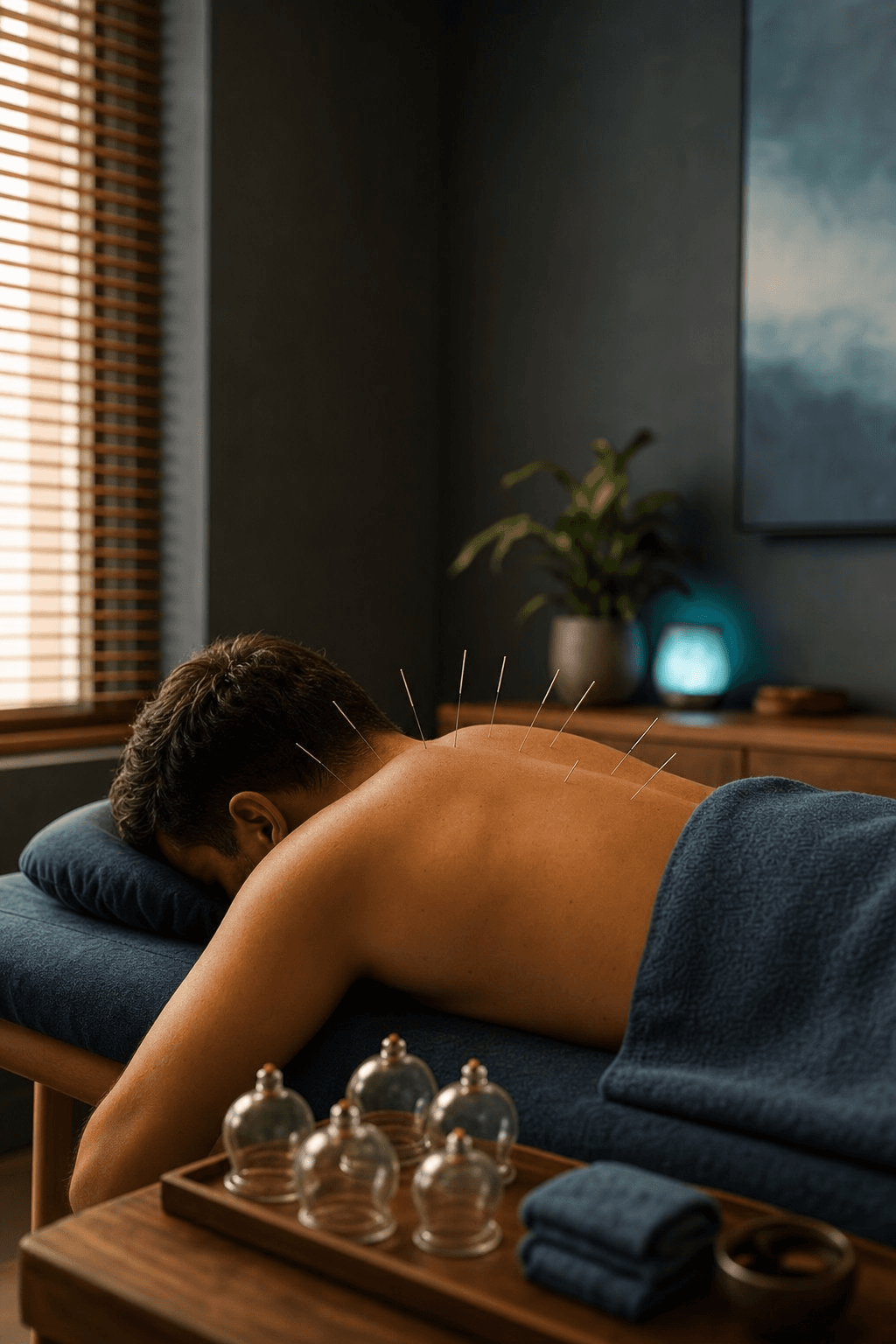
Dry needling functions through a purely biomedical framework, targeting myofascial trigger points that serve as the primary source of localized pain. These trigger points are hyperirritable spots located within taut bands of skeletal muscle, often referred to as muscle knots. When a sterile needle is inserted into these points, the goal is to elicit a local twitch response. This involuntary spinal cord reflex is a sign that the muscle is resetting its electrical activity, which helps to break the cycle of chronic contraction and promote the influx of oxygenated blood to the area.
A frequent point of inquiry among patients involves dry needling vs acupuncture depth. It is easy to hear the word "deep" and assume dry needling is more powerful than acupuncture, but that is not how needling works. Depth is not a measure of strength; it is simply a matter of which tissue needs to be reached. Acupuncture needling depth varies by region and clinical purpose, from a shallow insertion just beneath the skin to a deeper placement that influences specific structures. Dry needling targets the muscle belly itself, reaching the mechanical origin of dysfunction in larger muscle groups. We also use osteopuncture, which stimulates the periosteum, the tough membrane covering the bone, to influence dense connective tissue and areas where tendons anchor. Together these make up a full range of needle depth, from skin to muscle to bone, so the needle always goes where the problem lives rather than being pushed deeper for its own sake. This focused placement makes dry needling exceptionally effective for resolving localized orthopedic pain, such as the deep radiating tension found in sciatica or the restricted range of motion associated with complex shoulder injuries.
At its core, dry needling is a form of acupuncture that has been specialized for orthopedic precision. Rather than addressing the body as a broad, interconnected network of systemic functions, this technique narrows its focus to specific anatomical structures. For an athlete in Windsor or Loveland, this means the treatment is highly localized to the injury site. While full acupuncture can pursue both local and whole-body balance, dry needling and orthopedic acupuncture isolates the targeted, local portion of that larger system to deactivate pain generators and restore muscle function.
The Historical Gap: Ashi Points and the Origins of Trigger Point Therapy
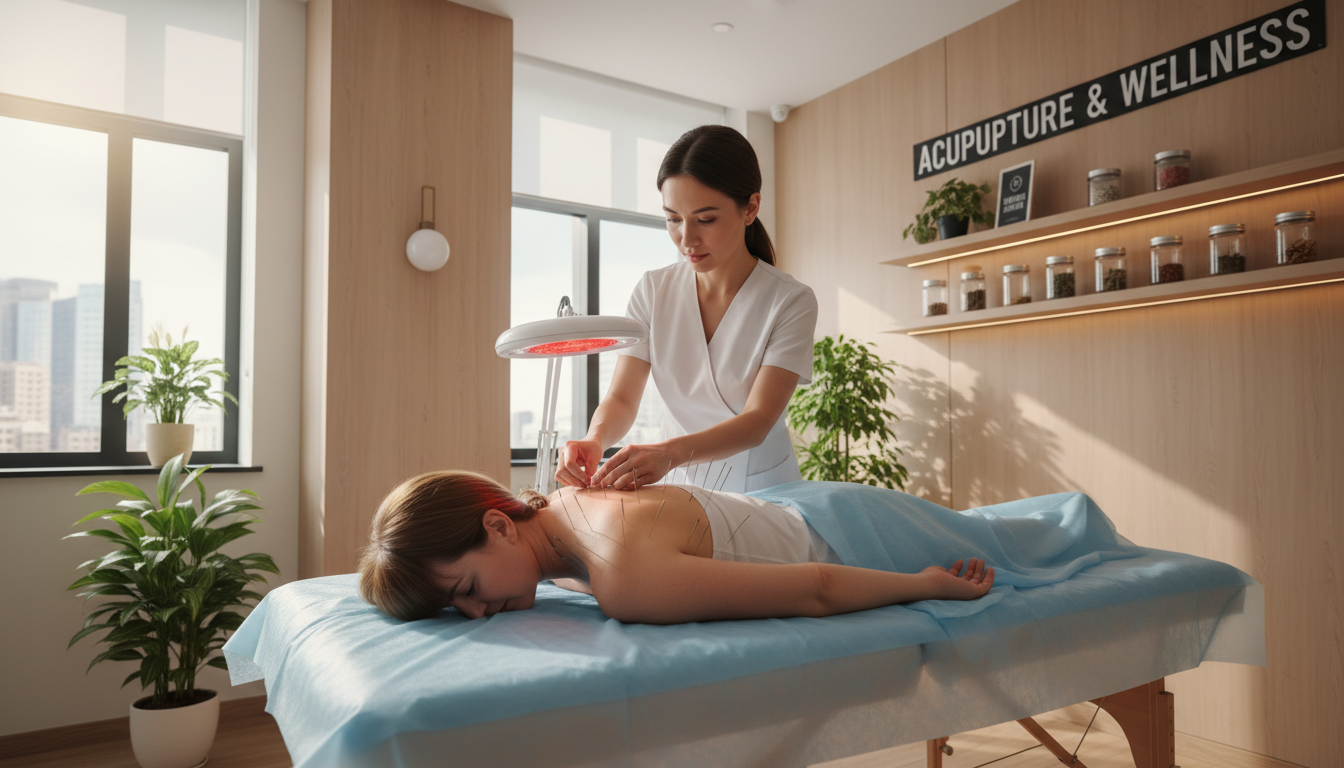
The prevailing narrative in modern healthcare often draws a sharp line between Western dry needling and Eastern acupuncture. This distinction is historically inaccurate. While contemporary research has mapped myofascial trigger points with scientific rigor, the clinical application of needling these tender spots dates back over two millennia. In the classic texts of Chinese medicine, these locations are known as Ashi points. Translated literally as "Ah, yes!" points, they represent the spontaneous exclamation a patient makes when a practitioner palpates a hyperirritable knot in the muscle.
Ashi points are functionally identical to the trigger points targeted by modern practitioners. Long before the term myofascial entered the medical lexicon, clinicians were using trigger point therapy to resolve musculoskeletal pain by identifying these local points of tension. The rebranding of a portion of this work as dry needling gave it a modern anatomical explanation and a different name. The underlying clinical process of finding and needling a painful, reactive area was already part of acupuncture.
Recognizing that dry needling is a form of acupuncture is essential for understanding its efficacy. It is not a separate discovery, but a specialized subset of a much larger clinical tradition. When providing dry needling and orthopedic acupuncture at our Windsor clinic, we use a technique refined through centuries of clinical observation, then re-described with modern anatomical language. This lets us treat acute sports injuries with the precision of modern anatomy while respecting the deep historical roots of the craft. For patients seeking sports acupuncture in Northern Colorado, this context provides confidence that their treatment is grounded in a long clinical lineage, not just a recent trend.
Training Standards: The Difference Between a Weekend Course and a Doctorate
Understanding the clinical depth behind the needle is vital when addressing concerns about safety and treatment efficacy. While the physical tool remains the same, the disparity in training requirements between a weekend certification and a clinical doctorate is immense. For many healthcare providers, dry needling is an adjunctive skill acquired through 20 to 50 hours of continuing education. Conversely, a Licensed Acupuncturist (L.Ac.) or a Doctor of Acupuncture (DACM) undergoes upwards of 3,000 hours of rigorous clinical training.
Practitioner Type | Typical Needling Training Hours | Education Level |
|---|---|---|
Weekend Course Certification | 20, 50 Hours | Certificate |
Licensed Acupuncturist (L.Ac.) | 2,500, 3,000+ Hours | Master's Degree |
Doctor of Acupuncture (DACM) | 3,500+ Hours | Clinical Doctorate |
This difference in education directly impacts patient outcomes for complex conditions. At Acumotion Sports Therapy, Dr. Geno Diveley utilizes over 30 years of experience to ensure every insertion is precise, safe, and anatomically targeted. When treating chronic back pain or migraines, the practitioner must navigate delicate structures near the spine and skull with absolute confidence. A high level of training ensures that trigger point therapy is not just a localized muscle release but a sophisticated neurological reset.
Because dry needling is a form of acupuncture, it requires the same anatomical mastery and needle control that trained practitioners have perfected over decades of study. Residents in Windsor and Loveland seeking sports acupuncture in Northern Colorado benefit from a provider whose expertise is measured in years of clinical immersion rather than a single weekend seminar. This background is essential for the high level of dry needling and orthopedic acupuncture required to resolve long-term dysfunction and prevent injury recurrence.
Technique Comparison: Which One Is Better for You?
Determining which part of acupuncture to use depends entirely on the clinical goal. Patients frequently ask which method hurts more; the answer lies in the physiological response being sought. Trigger point needling is often more intense. It targets a local twitch response, which feels like a momentary deep ache or a brief muscle cramp. This sensation is a clinical indicator that the dysfunctional muscle fiber is resetting. Other acupuncture approaches are often quite subtle, and many patients find them deeply relaxing, making them the preferred choice for systemic issues like fibromyalgia, chronic stress, or migraines where calming the central nervous system is the priority.
For athletes in Windsor and Fort Collins, the choice often follows the specific needs of their activity. Dry needling and orthopedic acupuncture are highly effective for acute sports recovery, such as improving golf performance by releasing a restricted hip or shoulder. However, when an injury is driven by systemic inflammation or chronic fatigue, a broader approach is required. Because dry needling a form of acupuncture, we do not view these as competing philosophies.
At Acumotion Sports Therapy, we utilize a two lens approach. We might use trigger point therapy to address a specific hamstring strain while simultaneously using distal acupuncture points to reduce global inflammation and improve sleep quality. This integrated method ensures that sports acupuncture in Northern Colorado addresses both the localized mechanical injury and the systemic environment required for lasting recovery. By selecting the right technique for the right symptom, we provide a pathway to healing that is both efficient and comprehensive.
Advanced Options: Electroacupuncture and Myofascial Release
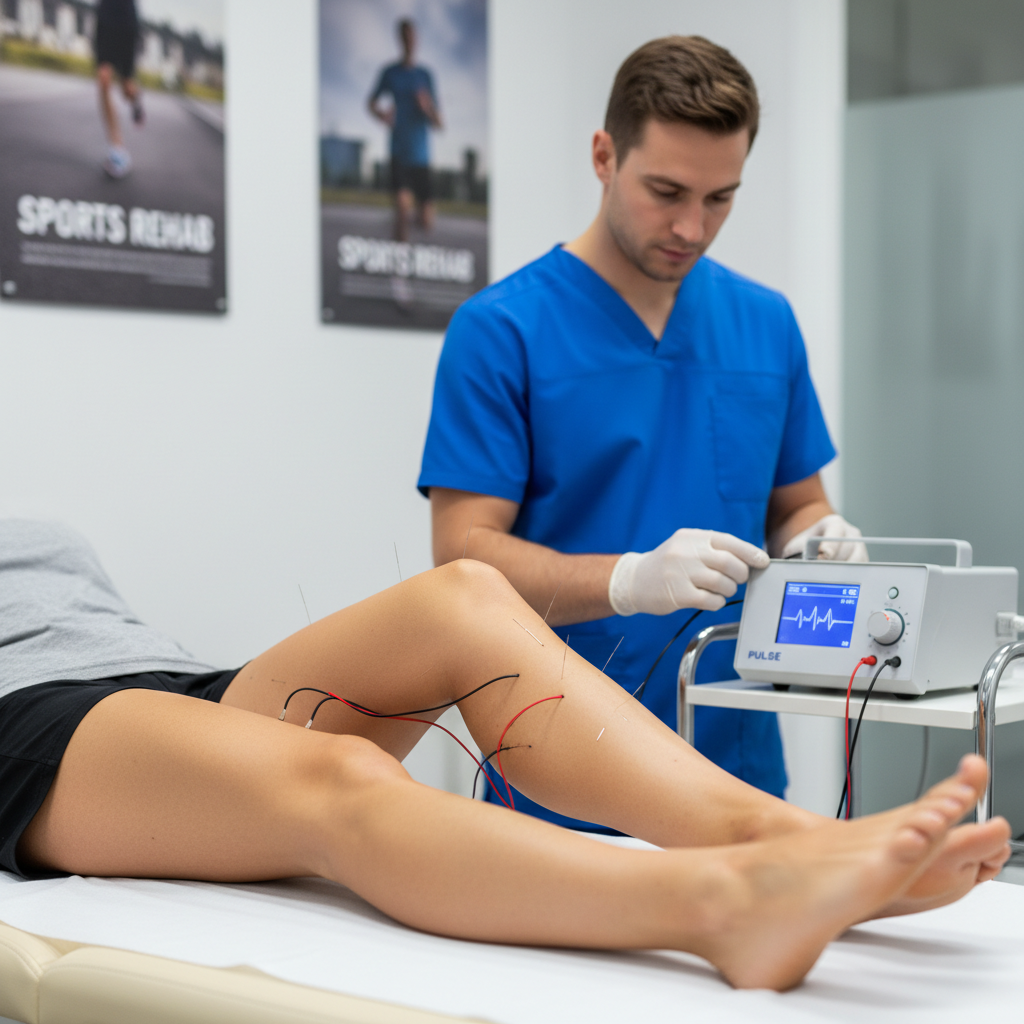
Modern sports acupuncture at Acumotion transcends the basic insertion of a needle. By integrating electroacupuncture, we amplify the physiological response of the treatment. This technique involves attaching small electrodes to the needles to deliver a controlled microcurrent. When applied to motor points or trigger points, the current causes a rhythmic fasciculation, or muscle contraction, that is far more efficient at restarting a dysfunctional muscle than manual manipulation alone.
This advanced approach highlights why dry needling is a form of acupuncture: it is the evolution of a portion of traditional needle therapy into a focused, orthopedic modality. For active adults in Fort Collins and Timnath dealing with chronic hip pain or degenerative knee conditions, electroacupuncture helps by promoting tissue remodeling and calming the nervous system's pain response.
Condition | Primary Benefit of Electroacupuncture |
|---|---|
Hip Pain | Recruits dormant gluteal muscles and reduces bursal inflammation. |
Knee Pain | Stabilizes the patella by balancing tension in the quadriceps and IT band. |
Sports Recovery | Increases ATP production and local blood flow for accelerated tissue repair. |
In addition to electrical stimulation, we utilize myofascial release and cupping to address the fascia, the connective tissue web that often traps nerves and restricts movement. This combination ensures that we are not just treating the muscle knot, but the entire functional chain. For athletes who experience a sudden flare-up during a Saturday morning trail run or a Sunday round of golf, our dedicated Sunday recovery hours provide immediate access to sports acupuncture in Northern Colorado. This specialized dry needling and orthopedic acupuncture provides a comprehensive solution for those requiring trigger point therapy and neurological restoration right when the injury occurs.
Dry needling and acupuncture use the same thin needles because dry needling is a limited part of acupuncture, not a separate practice or a competing system. It focuses on local and regional musculoskeletal dysfunction, while full acupuncture includes those same techniques and adds distal, neurological, and systemic strategies. Together they are simply sports acupuncture: orthopedic science guided by the depth of traditional wisdom. One complete toolbox, not two rival schools. That is why you won't find us debating which name sounds more modern. We offer dry needling and acupuncture side by side at our Windsor clinic because using the full spectrum of the discipline is what actually gets you back to your sport. If you want expert help putting that whole picture to work, schedule a session with Dr. Geno Diveley and experience the full sports acupuncture system for yourself.