
Dry needling provides a specialized solution for knee pain squatting dry needling Windsor by targeting trigger points that restrict joint movement and cause discomfort. This clinical approach restores muscle elasticity and reduces inflammation; as a result, patients can perform squats with a full range of motion at Acumotion.
Feeling a sharp pinch or persistent ache during the descent of a heavy squat often signals more than just a tough training week. For athletes in Windsor, this hesitation at the bottom of a rep is a frustrating barrier that limits performance and compromises long term joint health. Understanding the root cause of this dysfunction is essential because masking the pain with sleeves or ibuprofen only delays the inevitable. In this article, we examine the mechanical triggers of knee pain during the squat and explain how dry needling at Acumotion addresses these issues at the source. You will discover the science behind motor point therapy, the role of electroacupuncture in tissue recovery, and what to expect during a session designed to restore your range of motion and return you to the platform pain free.
Why Squats Lead to Knee Pain for Northern Colorado Athletes
Living in Windsor or Timnath often means balancing a high-intensity lifestyle, from heavy lifting at local strength gyms to weekend trail runs in the foothills. When knee pain begins to interfere with your squat or limits your mobility on the Highland Meadows tennis courts, the frustration is real. Missing a leg day or backing off your training intensity isn't just a minor inconvenience; it disrupts the physical outlet you rely on for health and performance.
Knee pain during a squat is rarely a localized issue with the joint itself. It is frequently the result of dysfunction in the upstream and downstream segments of the kinetic chain. If your hip flexors and quadriceps are chronically tight, they create excessive tension on the patellar tendon, causing the kneecap to track poorly. Similarly, downstream issues like restricted calf muscles and limited ankle mobility force the knee to travel too far forward or cave inward to complete the movement. This mechanical stress accumulates over time, leading to inflammation and discomfort that sharpens the deeper you go into your rep.
Understanding that your knee is caught in the middle of these competing tensions is the first step toward recovery. Utilizing specialized acupuncture for knee injuries allows us to address these muscular imbalances directly. Rather than just managing the symptom, we look at the entire leg to determine why the joint is being overloaded in the first place. Addressing knee pain squatting dry needling Windsor athletes need involves a comprehensive look at these soft tissue drivers to restore pain-free movement.
Common Causes of Knee Pain During the Squat Descent
The descent phase of a squat requires a delicate balance of eccentric control and joint alignment. When this balance fails, several common conditions often manifest. Patellofemoral Pain Syndrome, frequently called Runner’s Knee, occurs when the kneecap does not track smoothly within the femoral groove. This is usually driven by a tug-of-war between the lateral and medial quadriceps. If the Vastus Lateralis is overactive while the Vastus Medialis (VMO) is inhibited, the patella is pulled off-center, creating a grinding sensation and sharp pain as you lower toward parallel.
Another frequent culprit is Quadriceps Tendinopathy. This involves irritation of the tendon connecting the quads to the kneecap. During the descent, your muscles act as brakes to control the weight. If the tendon is overstressed from repetitive loading without adequate recovery, it becomes sensitized to this tension. Similarly, Iliotibial (IT) Band Friction can cause lateral knee pain. When the glutes fail to stabilize the femur, the IT band rubs against the bone on the outside of the knee, particularly at the 30-degree angle of flexion common in the early part of a squat.
It is vital to differentiate these functional issues from structural damage like a meniscus tear. While a tear often involves the knee locking, catching, or swelling significantly, functional pain is typically tied to load and movement quality. Pushing through this type of discomfort is counterproductive; the brain responds to pain by further inhibiting weak muscles and tightening overactive ones to protect the joint. This neurological guarding only deepens the imbalance, making the next squat even more problematic. Addressing these patterns through targeted acupuncture for knee injuries helps break this cycle by resetting the affected tissues before a chronic inflammatory state sets in. To truly resolve knee pain squatting dry needling Windsor athletes need a strategy that focuses on these functional drivers rather than just the site of the pain.
How Dry Needling for Knee Pain Works at Our Windsor Clinic
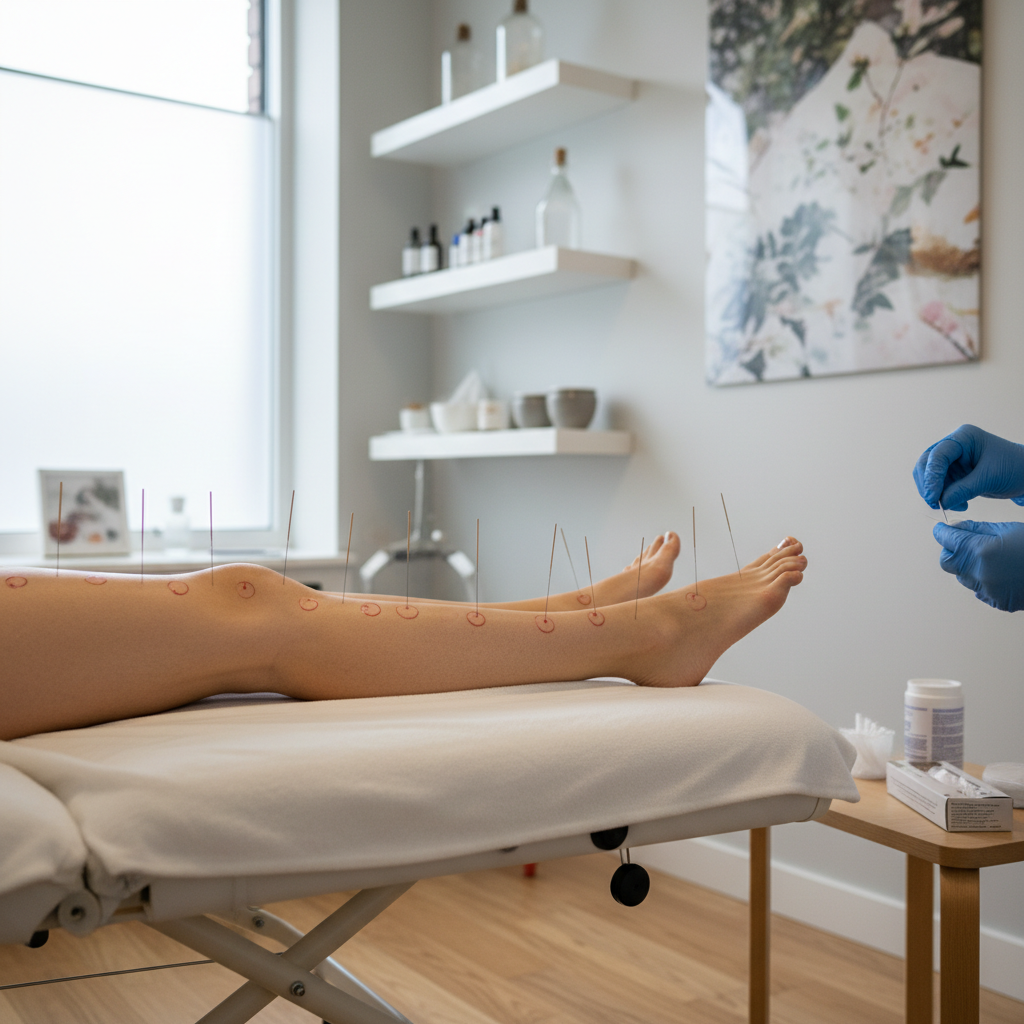
To resolve the mechanical imbalances mentioned above, we utilize dry needling as a precise neurological tool. When a sterile, thin filament needle is inserted into a hyperirritable band of muscle tissue, it triggers a Local Twitch Response (LTR). This involuntary contraction is a physiological sign that the muscle is releasing its chronic tension and resetting the neural feedback loop. For athletes struggling with knee pain squatting dry needling Windsor protocols at Acumotion focus on the specific motor points of the quadriceps. By targeting the Rectus Femoris or the Vastus Medialis (VMO), we can immediately reduce the compressive forces acting on the patella. This reset allows the muscle to return to a state of normal resting tone, which is essential for maintaining proper joint alignment during the heavy eccentric load of a squat.
The efficacy of this treatment depends entirely on the precision of the practitioner and their depth of anatomical knowledge. While some providers take short weekend courses to learn basic needling techniques, Dr. Geno Diveley utilizes his four year clinical doctorate training to navigate complex myofascial structures. There is a significant difference when considering Physical Therapist vs Acupuncturist Dry Needling at our Windsor clinic. We do not just needle where it hurts; we use an advanced sports acupuncture approach to identify the specific trigger points that are often overlooked in generic sessions. For example, a hidden trigger point in the Vastus Lateralis might be the true driver of lateral tracking issues, even if the patient primarily feels pain deep within the joint.
This advanced approach moves beyond simple symptom management by focusing on functional restoration. By integrating motor point therapy, we are not just loosening tight tissue; we are improving the communication between your nervous system and your muscles. When the VMO is properly activated and the lateral tension is reduced through targeted needling, the kneecap can finally track in its groove as intended. This immediate shift in biomechanics is why many patients notice a significant change in their squat depth and comfort shortly after their first session of acupuncture for knee injuries. By addressing the root neuromuscular cause, we ensure your recovery is built on restored function rather than a temporary mask for the pain.
The Acumotion Advantage: Motor Point Therapy and Electroacupuncture
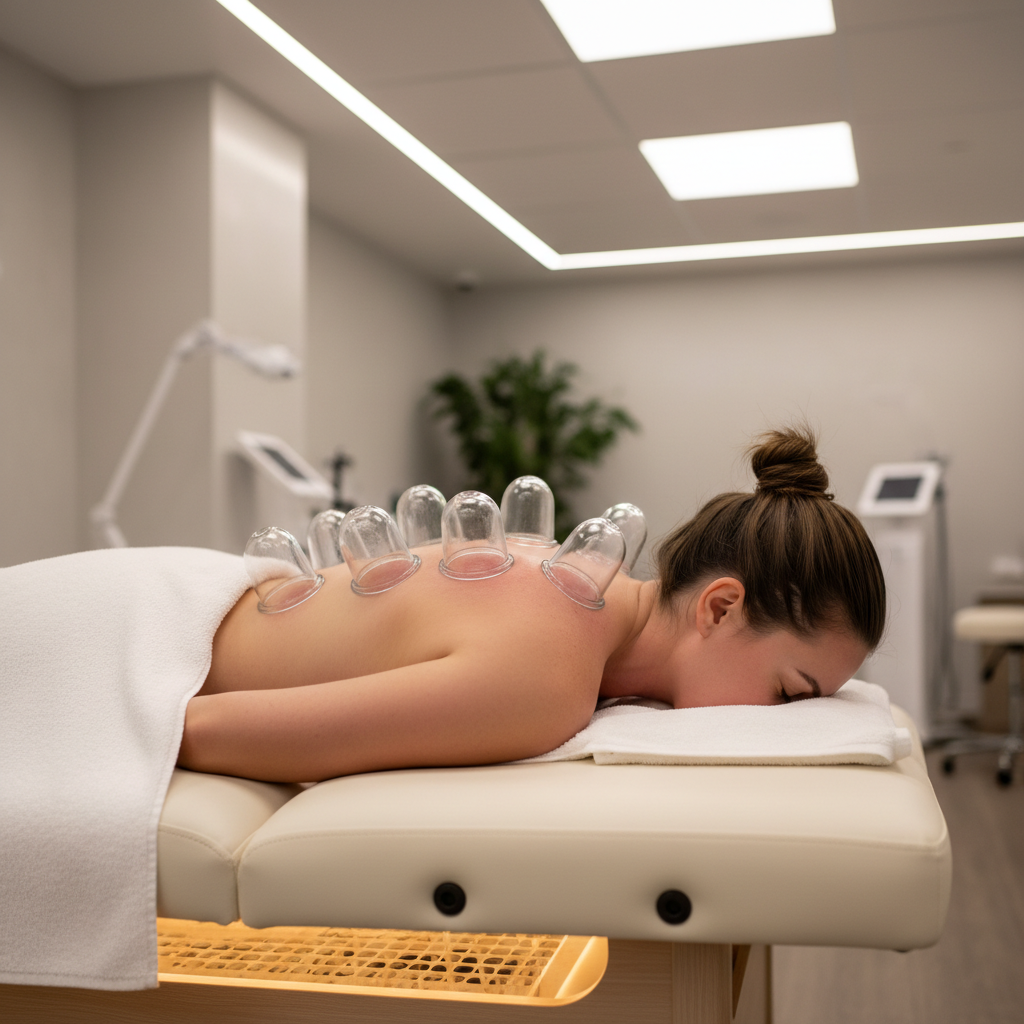
At 624 Main St., we elevate traditional dry needling by integrating electroacupuncture, a method where a precise microcurrent is applied to the needles. This is not just about sensation; the electrical frequency acts as a bridge between the needle and the nervous system. For chronic knee issues, this approach is far more effective than the passive application of ice or generic stretching. While ice may temporarily dull inflammation, and stretching often fails to release a muscle stuck in a guarded state, electroacupuncture facilitates a biological reset. It promotes ATP production and enhances local blood circulation to speed up tissue healing in the tendons and ligaments surrounding the knee joint.
Our evidence-informed orthopedic treatments focus on restoring the functional communication between your brain and your musculature. By targeting specific motor points, we can re-engage the VMO and inhibit the overactive lateral tissues that cause tracking issues during a heavy squat. Understanding the nuances of Dry Needling vs Acupuncture in Windsor is essential for athletes who want a sophisticated, clinical approach rather than a basic solution. Dr. Geno Diveley uses these advanced modalities to change how your body processes load, ensuring that when you get back under the barbell, your movement is driven by balanced muscle recruitment rather than compensation. This specialized protocol is a cornerstone of the effective knee pain squatting dry needling Windsor athletes find at our clinic.
Sunday Recovery: Addressing Squat Flare Ups When You Need It Most
Northern Colorado athletes often push their limits during Saturday training sessions, only to wake up Sunday morning with localized inflammation and restricted mobility. Waiting until Monday to address a sudden flare-up allows compensatory movement patterns to take hold, often prolonging the recovery timeline. Acumotion Sports Therapy at 624 Main St. offers dedicated Sunday hours specifically to bridge this gap for the Windsor and Timnath communities. By providing immediate access to expert care, we ensure that acute discomfort from a heavy lifting session or a mountain trail run is addressed before it becomes a chronic limitation.
For those experiencing sharp knee pain squatting dry needling Windsor athletes receive on a Sunday can significantly dampen the pain response and reduce swelling. Utilizing acupuncture for knee injuries during this critical window helps reset the affected musculature and calms the nervous system's protective guarding. This specialized weekend availability positions our clinic as a vital resource for performance maintenance, allowing you to start your work week feeling mobile rather than managing a setback.
What to Expect During Your First Knee Treatment in Windsor
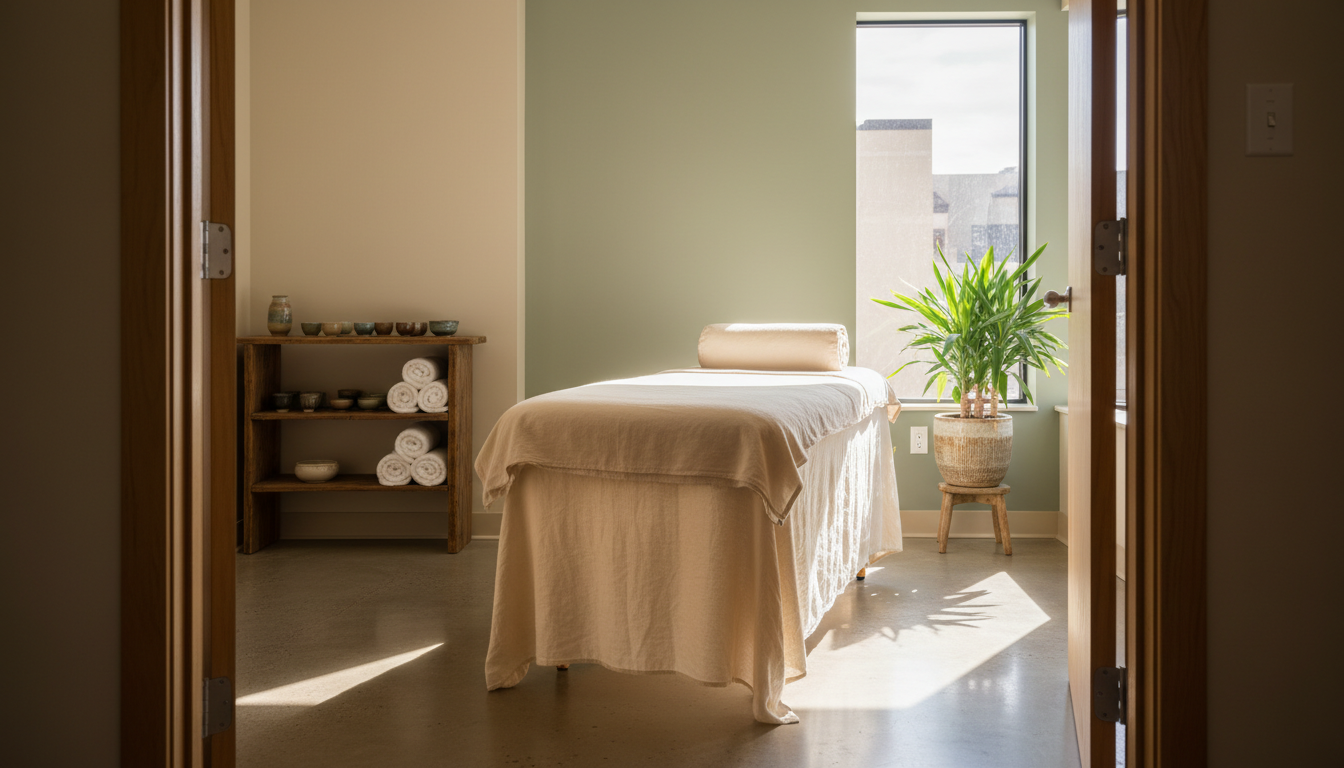
Your initial appointment at 624 Main St. begins with a comprehensive orthopedic evaluation. Dr. Geno Diveley assesses your gait, squat mechanics, and joint range of motion to identify the exact muscular drivers of your discomfort. This diagnostic phase ensures we are not just chasing symptoms, but addressing the underlying dysfunction in the kinetic chain. Inside our professional clinic, the environment is clinical and focused entirely on performance recovery.
Many athletes ask about the sensation of the needles. Unlike a sharp injection, the insertion is typically painless. When the needle reaches the motor point, you will likely feel a dull ache, a sensation of pressure, or a quick muscle twitch. This local twitch response is the goal, signifying a neurological reset of the muscle fibers. This specialized approach to acupuncture for knee injuries is designed for those who prioritize clinical results over generic protocols.
Post-treatment, it is common to experience mild muscular soreness similar to the feeling after a heavy leg day. Most athletes find this resolves within 24 to 48 hours, often followed by a noticeable improvement in mobility and a reduction in the specific drivers of knee pain squatting dry needling Windsor patients frequently present with. By combining these manual techniques with an expert understanding of Dry Needling vs Acupuncture in Windsor, we provide a streamlined path back to your training schedule.