
Acupuncture and dry needling for shin splints Northern Colorado provide significant pain relief and accelerate recovery by targeting trigger points and the interosseous membrane. These therapies improve muscle function and address tissue damage, helping athletes return to running faster with a long-term reduction in symptoms.
For many runners across Northern Colorado, the sharp, radiating pain of shin splints is a frustrating barrier to training on our local trails and paved paths. Whether you are navigating the steep grades of Horsetooth or logging miles along the Poudre River, Medial Tibial Stress Syndrome often persists despite rest and new footwear. This discomfort is more than a minor annoyance; it is a signal of physiological strain that requires targeted intervention to prevent long term injury. At Acumotion Sports Therapy, we specialize in advanced modalities designed to address the root cause of lower leg pain. This guide explores how dry needling and sports acupuncture effectively release intramuscular tension, improve local circulation, and accelerate recovery. You will learn to distinguish between common shin splints and stress fractures, understand our specialized treatment protocols in Windsor, and discover how integrated therapies can get you back to peak performance.
Understanding Shin Splints and Medial Tibial Stress Syndrome
Medial Tibial Stress Syndrome, commonly referred to as shin splints, is a clinical diagnosis that describes pain along the inner edge of the tibia. This condition is far more than simple leg soreness; it is an inflammatory process involving the muscles, tendons, and the periosteum, which is the vascular connective tissue covering the bone. In Northern Colorado, we frequently see this in runners training on the high-impact concrete of the Poudre Trail or in hikers who have rapidly increased their weekly mileage during peak season.
To treat the condition effectively, we must distinguish between anterior and posterior presentations. Anterior shin splints typically involve the tibialis anterior muscle on the front and outside of the leg, often resulting from excessive eccentric loading. Posterior shin splints, the most common form of MTSS, involve the tibialis posterior and soleus muscles. These muscles pull on the medial border of the tibia, leading to the deep, throbbing pain many athletes experience.
At our Windsor sports therapy clinic, we look beyond the surface symptoms to the mechanical drivers of inflammation. When these muscle groups become chronically tight, they create a relentless traction on the bone. Utilizing sports acupuncture and dry needling for shin splints allows us to deactivate the trigger point therapy and release the fascial tension contributing to the injury. Identifying these specific muscular imbalances is essential for anyone seeking acupuncture and dry needling for shin splints Northern Colorado to ensure a safe and efficient return to sport.
Shin Splints vs Stress Fracture: How to Tell the Difference
Distinguishing between Medial Tibial Stress Syndrome and a true tibial stress fracture is the most critical step in ensuring a safe recovery. While MTSS usually presents as a dull, generalized ache that radiates along the lower two-thirds of the inner shinbone, a stress fracture is characterized by sharp, pinpointed pain. If the discomfort is localized to a specific spot that is exquisitely tender to the touch, or if the pain persists even while resting or sleeping, the risk of a cortical bone injury is significantly higher.
A reliable clinical indicator used during orthopedic assessments is the hop test. If jumping on the affected leg produces localized, agonizing pain rather than a broad muscular ache, it serves as a major red flag for a fracture. At our Windsor sports therapy clinic, Dr. Geno Diveley leverages over 30 years of clinical experience to perform these essential differential diagnoses. Accurate assessment is paramount because while acupuncture and dry needling for shin splints Northern Colorado are highly effective for soft tissue inflammation, a bone fracture requires a vastly different loading and rest protocol. Mistaking a fracture for simple muscle tightness can lead to long term structural damage. Ensuring the integrity of the tibia first allows us to safely proceed with trigger point therapy to address the underlying muscular tension.
How Dry Needling Alleviates Shin Pain

Once a clinical assessment confirms that the pain is muscular rather than structural, we pivot to addressing the mechanical tension held within the lower leg. The primary utility of dry needling for shin splints is its ability to penetrate deep into the myofascial layers to reach the source of the pull, something topical treatments and standard massage often fail to achieve. By targeting specific trigger points in the tibialis anterior, soleus, and gastrocnemius, we can effectively deactivate the persistent contractions that drive Medial Tibial Stress Syndrome.
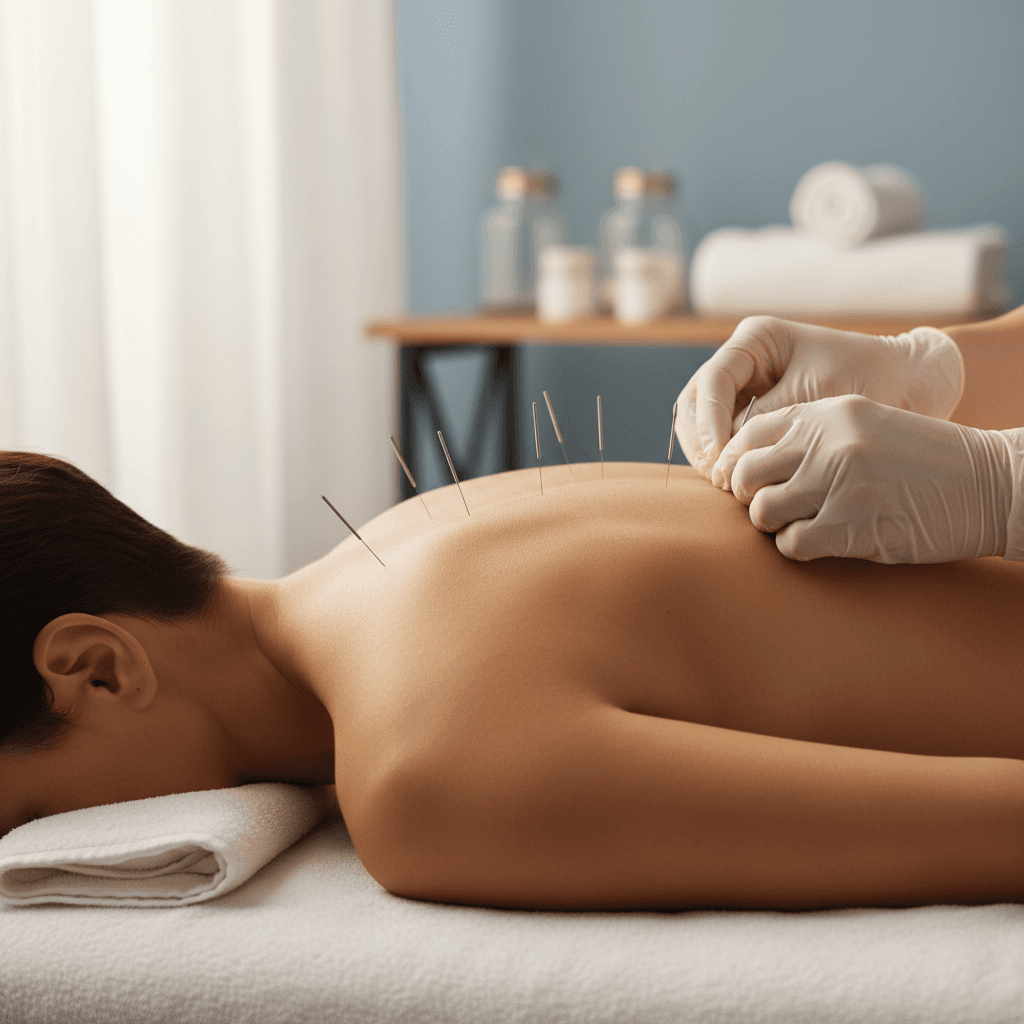
During a session at our Windsor sports therapy clinic, we use thin, sterile needles to create a precise "micro-trauma" within the affected muscle fibers. This localized stimulus triggers a natural healing cascade, drawing oxygenated blood and essential nutrients to tissues that have become ischemic from chronic tightness. This process is particularly effective for the tibialis anterior on the front of the leg and the deeper soleus muscle, which is frequently implicated in the posterior tugging sensation felt along the inner shinbone.
The most significant mechanical benefit of trigger point therapy is the resetting of the muscle's resting length. When an athlete suffers from shin splints, their lower leg muscles are often stuck in a shortened, hypertonic state. This constant tension exerts a relentless traction on the tibial periosteum, the bone's outer lining, leading to the characteristic inflammation and pain of MTSS. The needle eliciting a local twitch response allows the muscle to finally release and lengthen.
Reducing this mechanical load on the bone is the first step in long term recovery. For those seeking acupuncture and dry needling for shin splints Northern Colorado, this approach provides more than just temporary pain relief; it addresses the underlying physical imbalance. By restoring proper muscle function, we allow the periosteum to heal without the constant irritation of tight calf and shin muscles pulling against it.
Sports Acupuncture and Electroacupuncture for MTSS

While dry needling effectively resets muscle length, sports acupuncture at our Windsor sports therapy clinic addresses the neurological and inflammatory components of MTSS that needling alone might overlook. By integrating acupuncture and dry needling for shin splints Northern Colorado, we move beyond local trigger points to influence the entire neural pathway associated with the lower leg.
A cornerstone of our advanced protocol is electroacupuncture. By applying a controlled micro-current to the needles, we can more effectively modulate pain signals and stimulate the release of endogenous opioids. This electrical stimulation helps clear pro-inflammatory cytokines that pool around the tibial border. Unlike passive rest, which simply waits for inflammation to subside, electroacupuncture actively drives blood flow to the ischemic periosteum, accelerating the metabolic processes required for cellular repair.
We also utilize a specialized technique known as interosseous membrane acupuncture. This method targets the deep connective tissue situated between the tibia and fibula. Clinical research identifies this membrane as a primary site of tension in chronic MTSS cases, yet it is frequently neglected in standard physical therapy or generic dry needling sessions. Releasing this deep-seated tension reduces the internal pressure and tethering effect between the lower leg bones, providing relief that simple calf stretching cannot achieve.
Integrating these methods significantly alters the recovery trajectory. Relying solely on rest often results in a cycle of re-injury once high-impact activity resumes because the underlying tissue dysfunction remains. By combining trigger point therapy with electroacupuncture and interosseous work, we address the physiological environment of the leg. This multi-layered approach helps athletes return to their training schedules in Loveland or Fort Collins faster and with more resilient tissue than those following a traditional rest only approach.
The Recovery Timeline: What to Expect in Northern Colorado
Clinical research suggests a realistic recovery window for most cases of MTSS spans two to six weeks. While patients often report a significant reduction in localized pain immediately after their first session, it is important to distinguish between symptomatic relief and physiological tissue remodeling. While the needles facilitate rapid neurological changes, the underlying bone stress and micro-tears in the muscle attachment points require time to structurally stabilize.
For athletes visiting our Windsor sports therapy clinic, a treatment frequency of one to two times per week is generally recommended during the acute phase. This consistent intervention allows us to manage the inflammatory load while you adjust your training volume. To achieve the best results with acupuncture and dry needling for shin splints Northern Colorado, we often advise a temporary transition to low-impact activities. Swapping high-impact runs on the concrete paths of Loveland or Windsor for swimming or cycling gives the tibial periosteum the necessary environment to heal without repetitive mechanical trauma. This period of modified loading is essential for dry needling for shin splints to be fully effective in long term tissue repair.
Complementary Therapies: Cupping and Myofascial Release
To maximize the physiological remodeling discussed above, our Windsor sports therapy clinic employs a multi-modal approach that extends beyond the needle. We integrate cupping therapy to create negative pressure, effectively lifting the skin and superficial fascia away from the underlying muscle. This process creates localized hyperemia, drawing oxygenated blood to the lower leg to flush out metabolic waste and facilitate faster cellular repair.
Complementing this is targeted myofascial release, which addresses the dense connective tissue that can become glued to the medial border of the shinbone. In chronic cases of MTSS, these fascial adhesions restrict the slide and glide of the tibialis posterior and soleus muscles, creating persistent drag during every stride or golf swing. By breaking down these adhesions, we restore the biomechanical freedom necessary for maintaining running efficiency and optimal weight transfer in golf performance. These manual techniques, when paired with acupuncture and dry needling for shin splints Northern Colorado, provide a comprehensive solution for total sports injury recovery and long term joint health.
Why Northern Colorado Athletes Choose Acumotion in Windsor

Athletes across Northern Colorado require a clinical environment that understands the specific demands of high-altitude training and diverse terrains. Located at 624 Main St in Windsor, Acumotion Sports Therapy serves as a central hub for patients traveling from Timnath, Fort Collins, and Loveland. What sets our Windsor sports therapy clinic apart is the integration of advanced clinical expertise with immediate accessibility. Dr. Geno Diveley, DACM, utilizes over 30 years of clinical experience to design targeted protocols for acupuncture and dry needling for shin splints Northern Colorado, ensuring that every session is rooted in orthopedic precision.
We understand that injuries do not adhere to a standard work week. Sudden flare-ups often occur during Saturday long runs or weekend competitions; our dedicated Sunday recovery hours ensure athletes receive immediate care rather than waiting for a Monday opening. This unique availability allows for timely trigger point therapy and sports acupuncture when it is most critical to prevent an acute strain from becoming a chronic setback. By combining cupping therapy with specialized dry needling for shin splints, we provide a comprehensive recovery solution for the active Northern Colorado community.
Managing shin splints effectively requires a balance of rest and targeted muscle recovery. While simple stretches are helpful first steps, persistent pain often points to deeper muscular tension that needs specific attention. If you want expert help navigating your recovery journey, professional therapies can make a significant difference. Integrating Dry Needling into your routine can help release tight tissues and get you back on the trails sooner. Our team is here to support your long term performance goals.