Acupuncture and dry needling alleviate common muscle strains and overuse conditions by modulating pain signals and releasing deep trigger points. When treating pickleball injuries acupuncture and dry needling Northern Colorado practitioners offer specialized care to reduce inflammation and restore joint mobility. These clinical techniques facilitate faster recovery times; allowing players to return to the court with improved function and reduced discomfort.
If you have noticed a sharp twinge in your elbow or persistent stiffness in your lower back after a session at the local Northern Colorado pickleball courts, you are not alone. While the sport offers unmatched social and cardiovascular benefits, the repetitive overhead motions and sudden lateral sprints often lead to overuse injuries that can sideline even the most seasoned athletes. Relying on rest alone frequently results in lingering dysfunction that prevents a full return to play. In this guide, we explore how specialized sports acupuncture and dry needling target the root causes of muscle tension and inflammation. You will learn about advanced techniques like electroacupuncture, the specific differences between therapeutic modalities, and what a realistic recovery timeline looks like so you can reclaim your place on the court with confidence.
The Rise of Pickleball in Northern Colorado and the Risk of Injury
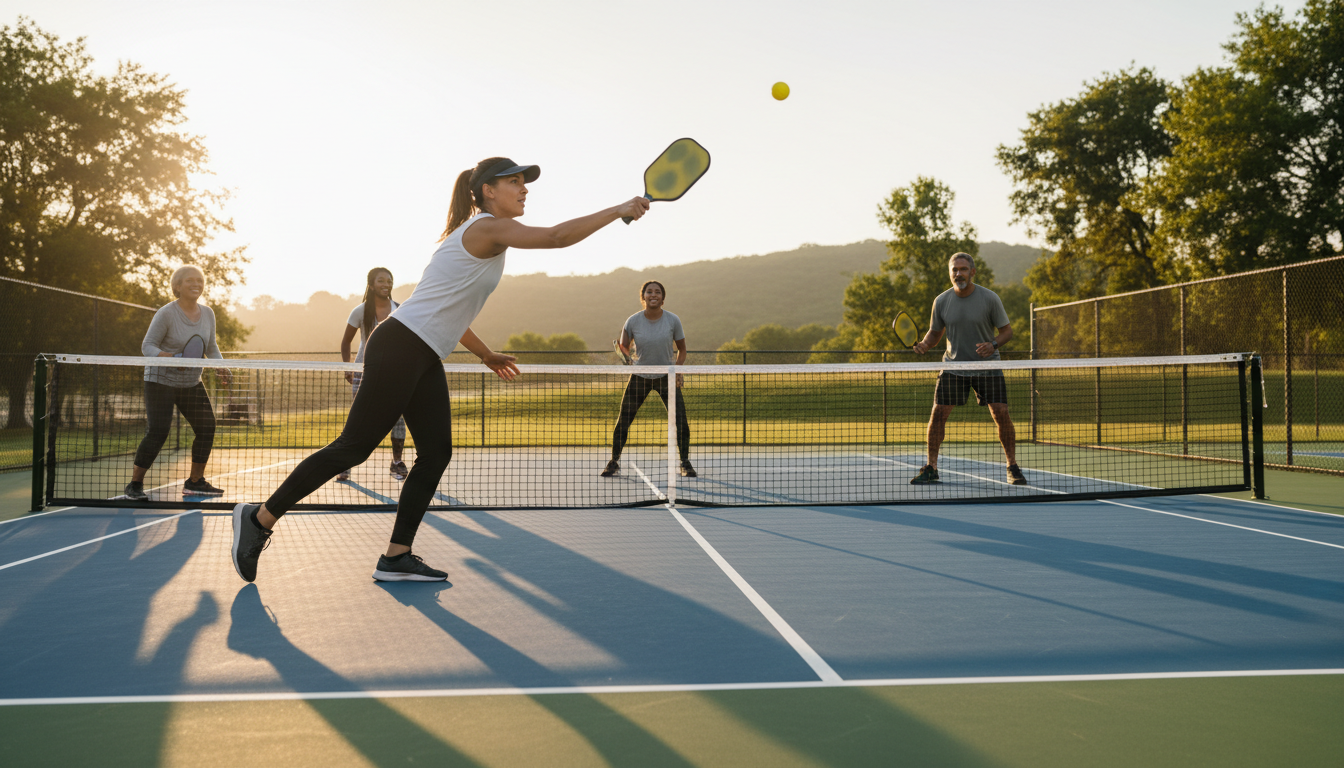
The courts at Windsor Main Park and public facilities throughout Loveland and Fort Collins have seen an unprecedented surge in pickleball participation. This sport has quickly become a staple of active life in Northern Colorado, yet its perceived accessibility often masks the significant orthopedic demands it places on the body. Unlike the long, sweeping strokes of tennis or the linear motion of jogging, pickleball requires constant lateral shuffling and deep, repetitive lunging for dinking maneuvers near the net. These specific mechanics create concentrated stress on the tendons and joints that many players are unprepared for.
Dr. Geno Diveley, L.Ac., DACM, brings over 30 years of clinical expertise to treating these specialized cases. Addressing pickleball injuries acupuncture and dry needling Northern Colorado requires more than a general approach; it necessitates a deep understanding of the kinetic chain and how these rapid, short-range pivots impact the Achilles, knees, and lumbar spine. For athletes visiting our clinic for sports acupuncture Northern Colorado or dry needling and orthopedic acupuncture, the goal is to resolve the acute inflammation and structural imbalances caused by these unique court movements. Identifying the specific muscle groups inhibited by these quick transitions is the first step in ensuring players return to the court without recurring pain.
Common Pickleball Injuries for Seniors and Active Adults
While the sport appeals to all ages, research indicates that seniors and active adults are particularly susceptible to musculoskeletal injuries due to age related changes in tissue elasticity. These injuries generally fall into two categories: acute trauma from sudden movements and chronic overuse conditions that compound over a season at the Windsor Main Park or local Loveland courts.
Achilles tendinopathy is one of the most frequent complaints we see at Acumotion. For many players, the rapid acceleration required to reach a drop shot places immense strain on a tendon that may already have reduced blood flow. Similarly, pickleball elbow, or lateral epicondylitis, stems from repetitive gripping and the flicking motion of the wrist during dinks. This often requires targeted trigger point therapy to release the extensor muscles of the forearm that have become chronically tight.
Rotator cuff strains are also prevalent, often resulting from the repetitive underhand serving motion or late overhead reaches. Unlike tennis, where the serve is overhand, the pickleball serve can lead to specific impingement patterns if the shoulder stabilizers are weak. Knee pain frequently arises from the constant pivoting and lateral shifts, which can stress the meniscus or lead to patellofemoral pain syndrome.
Injury Type | Primary Cause in Pickleball | Typical Symptom |
|---|---|---|
Achilles Tendinopathy | Explosive forward bursts | Sharp pain or stiffness in the heel |
Lateral Epicondylitis | Repetitive backhand dinking | Pain on the outer elbow |
Rotator Cuff Strain | Underhand serves and overheads | Deep shoulder ache during reach |
Knee Meniscus Stress | Quick lateral pivots | Joint line tenderness and swelling |
For those seeking Loveland acupuncture or specialized sports acupuncture Northern Colorado, understanding these patterns is vital. Acute injuries, such as a sudden calf strain, require immediate intervention to control inflammation. Chronic overuse issues, such as hip bursitis or lower back stiffness, require a strategy involving dry needling and orthopedic acupuncture to address long term muscle imbalances and the mechanical dysfunction that develops over months of play. Identifying the root cause of these pickleball injuries acupuncture and dry needling Northern Colorado ensures that the treatment addresses the tissue pathology rather than just masking the discomfort.
How Sports Acupuncture Accelerates Pickleball Recovery
Traditional sports medicine often relies on passive rest, yet for the dedicated pickleball player, a wait and see strategy is rarely effective. Sports acupuncture offers a proactive physiological intervention by modulating the nervous system's response to injury. When a needle is inserted into dysfunctional tissue, it triggers a cascade of biochemical changes, including the release of adenosine, which acts as a natural analgesic and anti-inflammatory. This process helps down regulate the persistent pain signals traveling from a strained knee or inflamed elbow to the brain.
Addressing the common question, is acupuncture good for sports injuries, the clinical answer lies in its ability to facilitate functional recovery rather than just providing temporary relaxation. At Acumotion, sports acupuncture Northern Colorado is utilized to specifically target white zone tissues. Tendons such as the Achilles and the rotator cuff have notoriously poor blood supply compared to red muscle tissue, making them slower to heal. By creating controlled micro trauma at the site of injury, acupuncture induces localized vasodilation, forcing oxygen and nutrient rich blood into these hypoxic areas.
This localized circulatory boost is essential for remodeling collagen in chronic pickleball injuries acupuncture and dry needling Northern Colorado. Unlike systemic medications that may struggle to reach the specific site of a tendon tear in therapeutic concentrations, acupuncture works directly at the source. This approach ensures that the recovery process is not just about masking symptoms, but about restoring the structural integrity of the tissues required for the high intensity lateral shifts and overhead slams seen on the Windsor and Loveland courts.
Dry Needling for Trigger Points and Muscle Dysfunction

While sports acupuncture addresses systemic inflammation and tendon health, dry needling and orthopedic acupuncture focuses on the mechanical dysfunction within the muscle fibers themselves. In the context of pickleball injuries acupuncture and dry needling Northern Colorado, we specifically target myofascial trigger points. These are hyper irritable spots within a taut band of muscle that often develop in the calves after constant lunging or in the forearm extensors following repetitive backhand dinks.
Patients frequently ask if dry needling goes deeper than acupuncture. The distinction is less about the physical depth of the needle and more about the anatomical intent. Trigger point therapy involves inserting the needle directly into the belly of the muscle to elicit a local twitch response. This involuntary contraction physically breaks the cycle of muscle tension, providing an almost instantaneous improvement in range of motion for a restricted hip or a stiff ankle.
At Acumotion, Dr. Geno Diveley utilizes motor point therapy to address muscle inhibition, a key differentiator in our clinical approach. When an injury occurs, the nervous system may inhibit certain muscles, such as the gluteus medius, to protect the joint. This creates compensatory patterns that lead to secondary pain. By stimulating the motor point, the precise location where the nerve enters the muscle, we can reset the neuromuscular connection. This rebooting process is essential for Loveland acupuncture patients who find they have lost power in their serve or agility at the kitchen line. Restoring these firing patterns ensures that sports acupuncture Northern Colorado provides more than just temporary relief, it restores the functional mechanics required for high level play.
Advanced Techniques: Electroacupuncture and Myofascial Release
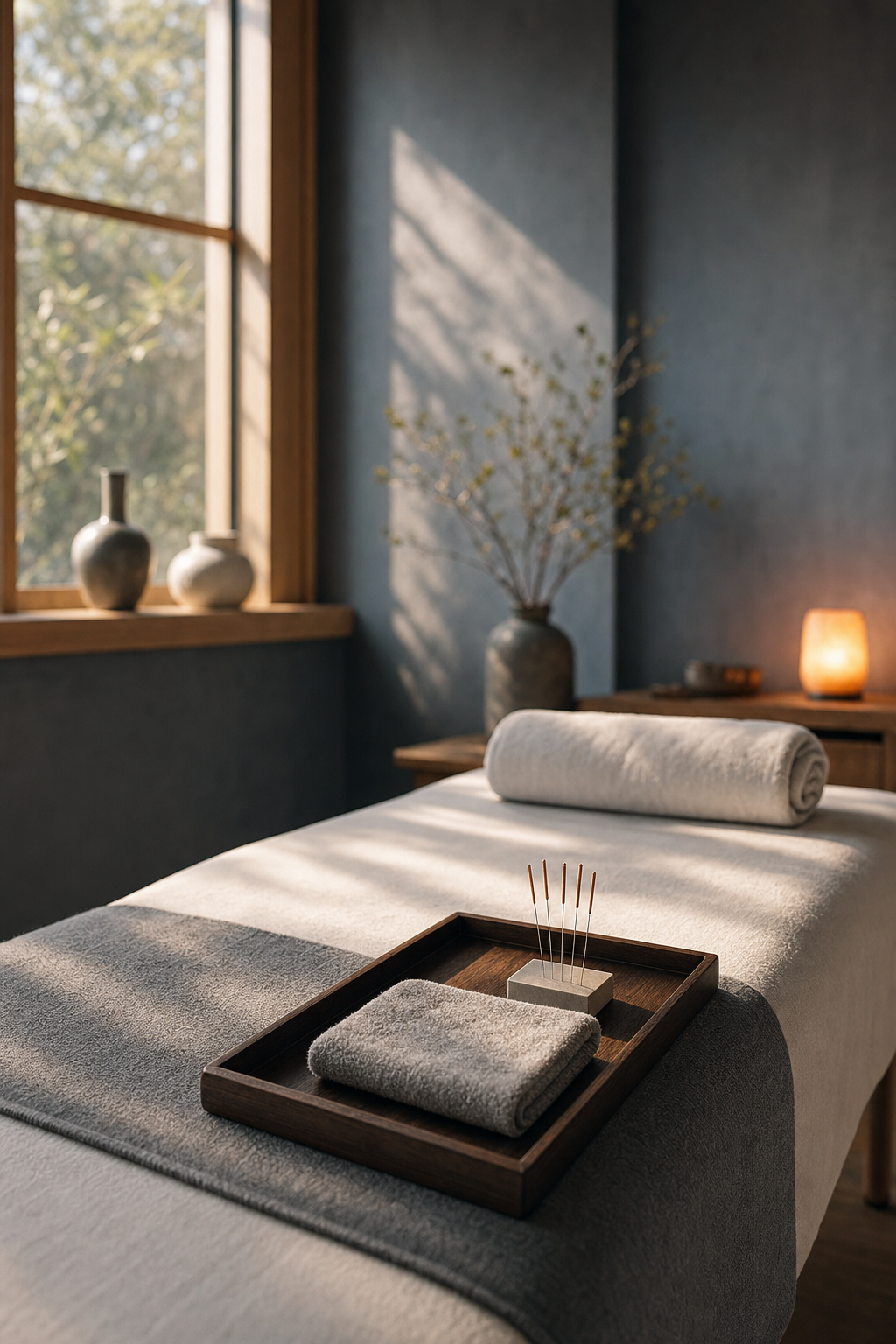
For players dealing with persistent sciatica or deep-seated hip pain, Acumotion integrates electroacupuncture to amplify the therapeutic effect of the needles. This advanced modality involves applying a gentle, controlled micro-current to specific acupuncture needles, providing continuous stimulation to the nerve and muscle tissues. This technique is particularly effective for resetting the nervous system in chronic pickleball injuries acupuncture and dry needling Northern Colorado. By maintaining a consistent frequency, electroacupuncture encourages the muscle to relax and promotes the release of endogenous opioids; this is crucial for managing the nerve impingement often caused by the repetitive lunging on the Loveland courts.
Recovery after a multi-day tournament often requires more than just local needle work. Dr. Geno Diveley utilizes cupping therapy and myofascial release alongside trigger point therapy to address the widespread fascial tightness that accumulates after hours of competitive play. These supportive treatments facilitate lymphatic drainage and stretch the connective tissue surrounding the muscles. This comprehensive approach ensures we are treating the entire kinetic chain. For instance, a session for sports acupuncture Northern Colorado might involve treating the lower back to resolve a calf strain, as restricted spinal mobility often forces the lower leg to overwork. By combining these dry needling and orthopedic acupuncture techniques, we ensure the body functions as a cohesive unit, preventing the compensations that lead to long-term injury.
Acupuncture vs Dry Needling: Which Is Best for Your Injury?
Choosing between acupuncture and dry needling is not a matter of one being superior, but rather identifying which physiological mechanism your specific injury requires. At Acumotion, we integrate both modalities to address the complex nature of pickleball injuries acupuncture and dry needling Northern Colorado. While the tools are identical, the clinical intent and needle placement differ significantly to match the phase of your recovery.
Dry needling and orthopedic acupuncture is the preferred choice when a player presents with palpable "knots" or focal muscle inhibition, such as a locked-up calf or forearm after a long day at the Windsor courts. Conversely, sports acupuncture Northern Colorado is utilized to manage the biochemical side of recovery, focusing on down-regulating the nervous system and increasing circulation to "white zone" tissues like the Achilles tendon.
Treatment Modality | Primary Clinical Goal | Best For |
|
|---|---|---|---|
Dry Needling | Mechanical release of trigger points | Muscle knots, focal tightness, restricted range of motion | |
Sports Acupuncture | Modulation of blood flow and nervous system | Chronic inflammation, tendonitis, nerve pain, systemic recovery |
For most Loveland acupuncture patients, the most effective protocol involves using trigger point therapy to release mechanical tension followed by orthopedic acupuncture to flush out inflammatory markers. This dual approach ensures both the structural and systemic components of the injury are resolved simultaneously, preventing the injury from becoming a chronic setback.
Recovery Timeline: How Long Until You Return to the Court?
Returning to play depends on the severity of the tissue damage and the chronicity of the condition. Many athletes experience immediate relief after a single session of dry needling and orthopedic acupuncture, as the physical release of a trigger point can instantly restore range of motion. However, long term tissue remodeling, especially for stubborn Achilles or rotator cuff issues, typically requires a cumulative series of 4 to 6 sessions. This duration allows for significant collagen synthesis and the stabilization of motor patterns.
At Acumotion, we structure pickleball injuries acupuncture and dry needling Northern Colorado treatments around a three stage functional protocol to ensure you do not return to the court too early and risk a secondary tear.
Recovery Phase | Primary Goal | Clinical Focus |
|---|---|---|
Acute (Sessions 1-2) | Pain Reduction | Reducing inflammation and down-regulating the nervous system through Loveland acupuncture. |
Sub-acute (Sessions 3-5) | Functional Restoration | Utilizing trigger point therapy and motor point resets to improve tissue loading capacity. |
Maintenance (Ongoing) | Performance Optimization | Monthly sports acupuncture Northern Colorado to prevent compensatory patterns and enhance agility. |
This systematic approach ensures that the underlying mechanical dysfunction is corrected, rather than just masking the pain. By following this protocol, players can achieve a sustainable return to competitive play at Windsor Main Park or local Loveland facilities without the constant threat of a flare-up.